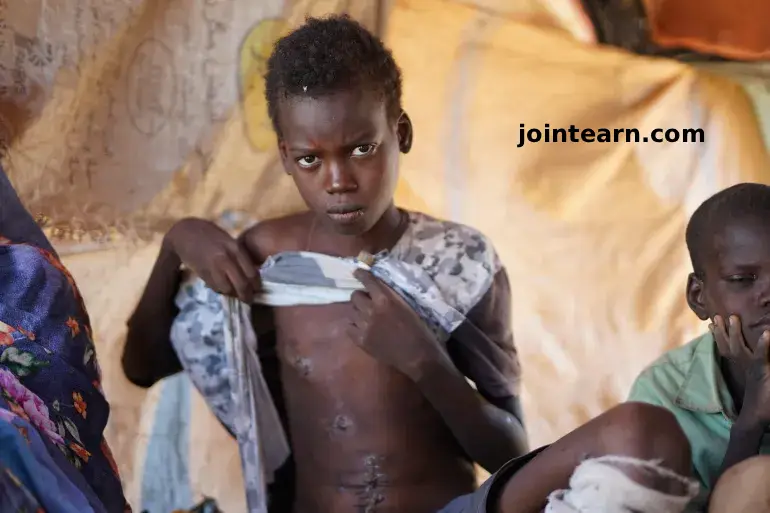
Tens of thousands of Sudanese have fled the city of el-Fasher in North Darfur following the takeover by the paramilitary Rapid Support Forces (RSF), leaving hundreds of children arriving in the nearby town of Tawila without parents. Humanitarian organizations warn that the crisis is worsening as displaced children face extreme trauma and vulnerability.
The Norwegian Refugee Council (NRC) reported that at least 400 unaccompanied children had reached Tawila, though the actual number is believed to be significantly higher. Many children walked for days through harsh conditions, exhausted and terrified, after being separated from their families amid the chaos of the RSF advance.
“Children are reaching Tawila exhausted and deeply distressed, often after days of walking through the desert,” the NRC said. “Many arrive terrified of the armed groups they fled from or may have encountered on the road. Others’ parents are believed to have gone missing, been detained, or killed.”
RSF Takeover of El-Fasher
The RSF seized control of el-Fasher, the capital of North Darfur, on October 26, 2025, after an 18-month siege that left residents without food, medicine, or basic supplies. The paramilitary group, which has been fighting the Sudanese Armed Forces (SAF) for control of Sudan since April 2023, has been accused of mass killings, kidnappings, and sexual violence during its takeover.
While the RSF denies targeting civilians or obstructing humanitarian aid, United Nations human rights chief Volker Turk described the atrocities in el-Fasher as “the gravest of crimes.”
Overwhelmed Displacement Camps
Since the RSF’s takeover, more than 100,000 people have fled el-Fasher, many seeking refuge in Tawila, located roughly 60 kilometers (37 miles) from the city. The NRC has registered 15,000 new arrivals in Tawila since October 26, with an average of over 200 children registered daily.
Nidaa, a teacher with the NRC’s education program, described the psychological trauma observed among displaced children:
“When we first started our classes, some of the children could not speak at all when they arrived. Others were waking up with nightmares. They describe hiding for hours, traveling at night to avoid attacks, and becoming separated from family in the chaos.”
The Sudanese American Physicians Association reported that Tawila hosts over 650,000 internally displaced people (IDPs) from el-Fasher and surrounding areas. Nearly three-quarters of the population reside in informal settlements lacking adequate infrastructure, and less than 10% have reliable access to water or latrines.
“Tawila has effectively become a stand-alone crisis epicenter, not merely an overflow from el-Fasher,” the association said.
Rising Risks: Human Trafficking and Child Recruitment
Humanitarian organizations and UN experts have raised alarms over the heightened risk of sexual exploitation, trafficking, and forced recruitment for displaced children, particularly girls and unaccompanied minors.
“Women and girls have been abducted in RSF-controlled areas, and women, unaccompanied, and separated children are at elevated risk of sexual violence and sexual exploitation,” a UN statement warned.
Families displaced by the RSF’s advance continue to face severe shortages of shelter, food, healthcare, and education, compounding the humanitarian emergency in Darfur. Experts called for urgent international action to address human rights violations and provide protection to vulnerable populations, especially children.
Conclusion
The unfolding crisis in el-Fasher and Tawila highlights the devastating human cost of Sudan’s ongoing conflict. With displaced children increasingly exposed to trauma, exploitation, and insecurity, international aid agencies are calling for immediate interventions to safeguard their welfare and prevent further suffering.


Leave a Reply