Warning: This article contains distressing themes related to conflict and loss.
Sudan forward John Mano speaks calmly, but his eyes reveal the weight of a story shaped by war, fear and grief. The 24‑year‑old footballer, currently representing Sudan at the 2025 Africa Cup of Nations (Afcon) in Morocco, is one of many players whose careers have been overshadowed by the country’s devastating civil war, which began in April 2023.
Mano recalls losing his closest childhood friend, Medo, during the conflict — one of more than 150,000 people killed in what the United Nations has described as the world’s largest humanitarian crisis.
Medo had travelled to Wadi Halfa, near Sudan’s border with Egypt, to arrange documents needed to leave the country. When he briefly returned home to retrieve missing paperwork, he was stopped by armed men and accused of collaborating with the army. Mano says his friend was not given the chance to explain.
“I cannot forget this story until I die,” Mano told BBC Sport Africa, speaking from Sudan’s team hotel during Afcon.
A Country at War, Football on Hold
Sudan’s conflict — a power struggle between the Sudanese Armed Forces and the Rapid Support Forces (RSF) — has displaced more than 12 million people, with famine, infrastructure collapse and reports of mass atrocities, particularly in Darfur.
Football has inevitably suffered. Domestic competitions have been halted, and stadiums damaged or destroyed. The iconic Al Hilal Stadium in Omdurman, once known as the “Blue Jewel,” now stands badly scarred by the war.
Sudan’s two biggest clubs, Al Hilal and Al Merrikh, have been forced to play abroad, spending time in both the Mauritanian and Rwandan leagues. Many players, including Mano, have relocated to Libya in search of safety and employment.
“We don’t have a league, we don’t have anything,” Mano says. “But we can’t complain. People in my country can’t eat.”
Threats, Fear and Survival
Mano himself narrowly avoided tragedy before leaving Sudan. He recalls being stopped by armed men who mocked him for playing for Al Hilal and openly threatened his life.
“They would say, ‘I can kill you right now and nobody will question me,’” he said. “That stays with you forever.”
Despite the danger, Mano continued to play, eventually moving to Libyan clubs Al Ahly and later Al Akhdar, like several of his international teammates.
Reaching Afcon Against the Odds
Against this backdrop, Sudan’s qualification for the 2025 Africa Cup of Nations stands as a remarkable achievement. It is only the country’s fourth Afcon appearance since 1976.
Head coach Kwesi Appiah, appointed in September 2023, has had to manage not just tactics but trauma. The former Ghana international has regularly offered emotional support to players grieving lost relatives, often granting time away to help them cope.
“Sometimes I give a player two or three days just to come back to himself,” Appiah said.
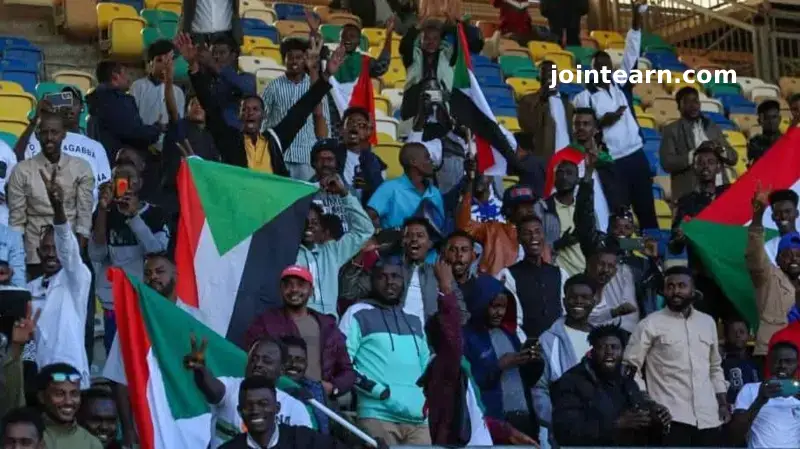
The team has played home qualifiers in neutral venues, without guarantees of payment, yet still secured a place at the finals — including a memorable draw against Angola in Benghazi, celebrated by a small group of Sudanese fans living abroad.
Football as Unity and Resistance
Captain Bakhit Khamis says football has become a rare source of relief for Sudanese people.
“Football is the only thing that can make us happy and help us forget the pain,” the left-back said. “Our goal has become stronger — Sudan first, Sudan above everything.”
Appiah believes football can offer moments of unity even during war. After Sudan’s victory over Ghana in qualifying, the squad learned that soldiers back home had celebrated the result.
“At least for one day, they put their guns down,” Appiah said, expressing hope that peace will one day allow everyone to return home safely.
“We’re Trying to Free Our Country the Football Way”
For Mano, football has become both purpose and protest — a way to honour those lost and to represent those who can no longer watch or listen to matches.
“Some fans can’t even hear the games on the radio,” he said. “Every day, people are dying.”
As Sudan competes in Morocco, Mano says the team is playing for more than trophies.
“We’re trying to free our country the football way.”


Leave a Reply