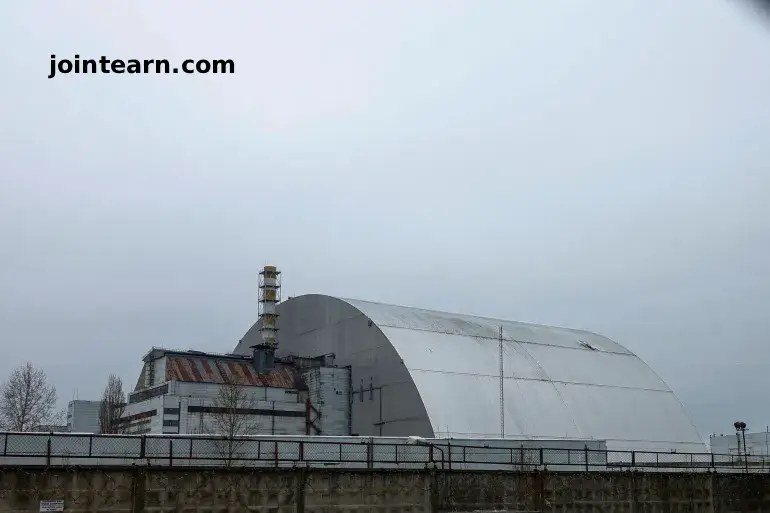
The International Atomic Energy Agency (IAEA) has confirmed that a drone strike damaged the protective shield at the Chornobyl nuclear plant in Ukraine, raising concerns over the containment of radioactive material from the 1986 disaster. The strike, which occurred in February 2025, has been linked by Ukrainian authorities to Russian forces, although Moscow has denied any involvement.
Drone Strike Compromises Chornobyl’s New Safe Confinement
According to a statement released by the IAEA on December 6, 2025, the inspection of the New Safe Confinement (NSC) steel structure revealed that the drone strike had degraded the shield’s ability to perform its primary safety functions. The NSC, which was designed to confine the remains of Reactor 4 destroyed in the 1986 explosion, is critical to preventing radioactive leakage into the environment.
IAEA Director General Rafael Grossi explained that while the protective structure had lost its confinement capability, there was no permanent damage to the load-bearing structures or monitoring systems. He emphasized that “comprehensive restoration remains essential to prevent further degradation and ensure long-term nuclear safety.”
Context: Chornobyl’s Ongoing Risks Amid War
The Chornobyl nuclear disaster in 1986 released massive amounts of radiation across Europe, prompting urgent containment measures and the eventual construction of the New Safe Confinement in 2016. Ukraine’s last operational reactor at the plant was decommissioned in 2000.
During the first weeks of Russia’s February 2022 invasion of Ukraine, Russian forces briefly occupied the Chornobyl area as part of their advance toward Kyiv. Since then, the ongoing conflict has seen frequent accusations between Russia and Ukraine of targeting or threatening nuclear facilities, including Chornobyl and the Zaporizhzhia nuclear power plant, raising concerns over potential nuclear hazards.
Repairs Underway, but Long-Term Restoration Needed
Following the February drone strike, Ukrainian authorities reported that the attack caused a fire and damaged the protective cladding around Reactor 4. Immediate repairs have been undertaken, but experts stress that a full restoration of the NSC is critical to ensuring long-term nuclear safety and preventing any environmental contamination.
Despite the damage, radiation levels at Chornobyl have remained normal and stable, and there have been no reports of radiation leaks since the incident.
Broader Energy Infrastructure Attacks in Ukraine
The IAEA inspection coincided with a nationwide survey of damage to Ukraine’s energy infrastructure, heavily impacted by the nearly four-year conflict. Russian drone and missile attacks have targeted electricity facilities across at least eight Ukrainian regions, causing widespread blackouts.
Ukraine’s Energy Ministry confirmed that emergency repair work is ongoing where safety conditions allow. Meanwhile, the national grid operator, Ukrenergo, announced electricity restrictions to protect critical infrastructure amid continuing attacks.
International Efforts to Mediate Ceasefire
Amid these attacks, the United States has been facilitating negotiations between Russian and Ukrainian officials in an effort to reach a ceasefire. US President Donald Trump’s special envoy, Steve Witkoff, met with Ukrainian negotiator Rustem Umerov in Miami after discussions with Russian President Vladimir Putin in Moscow.
Recently, the US proposed a 28-point plan to end the war, though some aspects are seen as favoring Russia’s demands. Ukraine has firmly rejected any territorial concessions, which are considered unconstitutional.
The Importance of Nuclear Safety in Conflict Zones
The Chornobyl incident highlights the ongoing risks of operating or maintaining nuclear facilities in conflict zones. International oversight, such as inspections by the IAEA, is crucial to ensuring that damaged structures, like the New Safe Confinement, are promptly repaired to prevent nuclear disasters.
The situation at Chornobyl serves as a stark reminder of how geopolitical conflicts can exacerbate nuclear safety concerns, making it critical for the international community to monitor and support the restoration of such facilities.
Conclusion
The damage to Chornobyl’s protective shield underscores the precarious situation of nuclear sites in war-torn regions. While immediate risks remain contained, long-term restoration and vigilance are essential to prevent future nuclear emergencies.


Leave a Reply