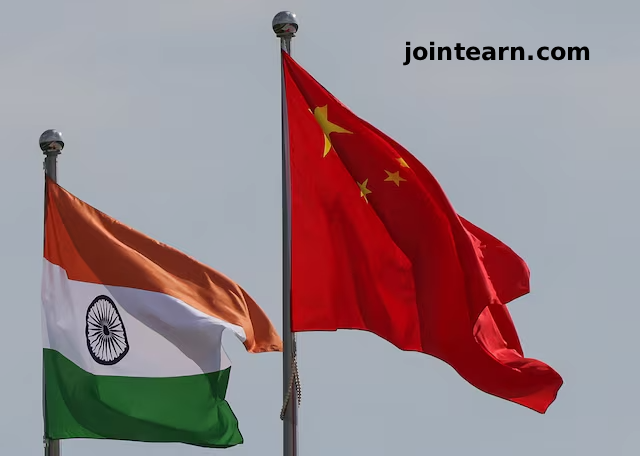
India has streamlined business visa approvals for Chinese professionals, cutting bureaucratic hurdles and reducing approval times to less than a month. This major policy shift marks a significant step in improving India-China relations, addressing chronic delays that previously cost the Indian electronics sector an estimated $15 billion in lost production.
The move comes as Prime Minister Narendra Modi cautiously seeks to rekindle ties with Beijing, balancing geopolitical pressures from the U.S. while attracting foreign investment to India.
Reducing Red Tape for Chinese Professionals
Officials revealed that New Delhi has removed an entire layer of administrative vetting that had delayed business visas for Chinese visitors since the 2020 Himalayan border clashes.
Previously, visa applications underwent extended scrutiny from multiple ministries, leading to prolonged processing times and discouraging foreign investment. The new reforms ensure business visas are now processed within four weeks, significantly faster than in recent years.
China’s foreign ministry welcomed the development, describing India’s move as a “positive action” to facilitate people-to-people and business exchanges. Ministry spokesperson Guo Jiakun stated that China is willing to maintain communication and enhance bilateral cooperation in the common interest.
Economic Implications of Visa Delays
The stricter visa regulations over the past four years contributed to significant production losses, particularly for Indian electronics companies that rely on imported machinery and technical expertise from China.
Industry analysts estimate that $15 billion in output was lost due to visa delays, affecting major companies such as Xiaomi and other electronics manufacturers. Similarly, the solar energy sector experienced shortages of skilled labor, slowing the growth of renewable energy projects.
Pankaj Mohindroo, head of the Indian Cellular and Electronics Association, praised the government’s reforms:
“Expediting skilled-visa approvals for professionals from land-bordering countries reflects a collaborative approach and shows the government is implementing industry recommendations.”
Policy Shift Following Modi’s China Visit
The easing of visa restrictions comes after Prime Minister Modi visited China earlier this year, his first visit in seven years, meeting with President Xi Jinping to discuss improving bilateral relations.
Since the visit, both countries have resumed direct flights, which were suspended since 2020. A high-level committee, led by former cabinet secretary Rajiv Gauba, was tasked with recommending measures to facilitate investment and improve business ties with China.
The committee’s recommendations also aim to ease investment curbs that had previously dampened foreign investor sentiment, particularly in high-tech and manufacturing sectors.
Strategic Context: U.S. Tariffs and Global Investment
India’s decision to improve business relations with China coincides with broader geopolitical pressures. The U.S., under President Donald Trump, imposed high tariffs on Indian exports, prompting India to recalibrate its international strategy.
Modi’s government has pursued measures to boost foreign investment, including cutting consumption taxes, easing labor laws, and creating a more business-friendly environment. These steps are designed to scale up India’s production capabilities in electronics, components, and finished goods while attracting global investors.
A government official emphasized:
“We are cautiously easing some rules around restrictions on China, which we hope will improve the overall business environment and enhance India’s global competitiveness.”
Conclusion
By streamlining visas for Chinese professionals, India aims to strengthen bilateral trade, recover lost production, and create a more investor-friendly climate. This reform represents a strategic recalibration in India-China ties, balancing domestic economic priorities with the pressures of global trade dynamics.


Leave a Reply