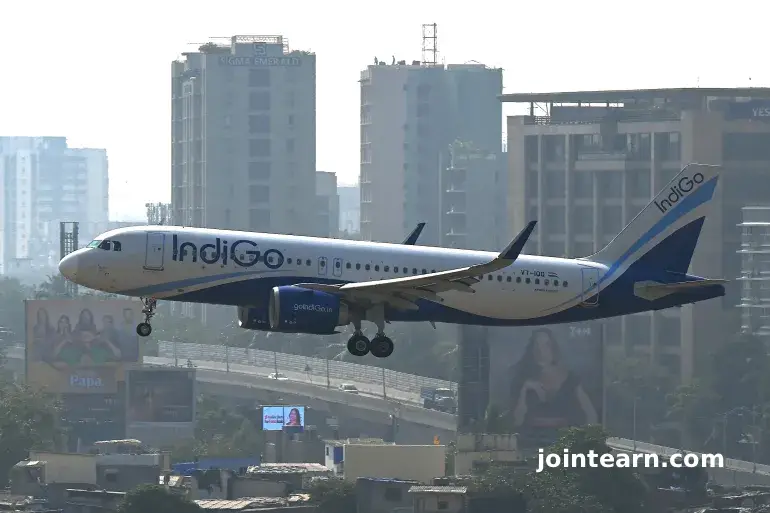
The recent mass cancellation of flights by IndiGo, India’s largest private airline, has thrown the working conditions of Indian pilots into the spotlight. Thousands of travelers faced severe disruptions during the peak travel season, highlighting broader concerns about aviation safety, pilot fatigue, and airline operational management in India.
IndiGo Flight Cancellations Spark Nationwide Chaos
IndiGo, operating over 2,200 daily flights, canceled approximately 3,400 flights in just one week starting December 2, 2025, marking the most significant disruption in the airline’s 20-year history. Major Indian cities, including New Delhi, Mumbai, Ahmedabad, and Hyderabad, experienced massive flight delays and cancellations, leaving thousands of passengers stranded.
The airline has stated that normal operations are expected to resume by December 15, 2025, but the disruptions had an immediate impact on ticket prices and travel plans. Since IndiGo controls 65% of the domestic airline market, the cancellations affected not just urban centers but also smaller towns like Shillong, Kolhapur, Prayagraj, Agra, and Deogarh, where the airline enjoys near-monopoly status.
The Indian government even had to intervene by imposing a cap on domestic airfare, reflecting the severity of the situation.
Why Are Pilots Overworked in India?
The root of the crisis lies in India’s newly introduced Flight Duty Time Limitations (FDTL), which were implemented in early 2024 to address pilot fatigue and safety risks. The FDTL regulations aim to:
- Increase the mandatory weekly rest period for pilots from 36 to 48 hours.
- Limit pilots’ night flying hours to 10 hours per shift.
- Cap midnight and early morning landings to two per week per pilot.
- Require airlines to submit quarterly fatigue reports to the Directorate General of Civil Aviation (DGCA).
Despite a two-year preparatory window, IndiGo reportedly failed to adjust its workforce management and scheduling policies. Pilot unions and aviation experts have criticized the airline’s hiring freeze, pay stagnation, and non-poaching agreements, which exacerbated the shortage of available pilots.
Flight Duty Regulations: Why India Took Action
The DGCA introduced stricter regulations to align India’s aviation standards with international norms set by the International Civil Aviation Organization (ICAO) and the European Union Aviation Safety Agency (EASA).
Pilot unions, including the Airline Pilots’ Association of India (ALPA), had long advocated for updated regulations due to operational safety risks and the health impacts of long, irregular hours. The FDTL rules aim to prevent pilot fatigue, a key factor linked to aviation accidents worldwide.
What Is Life Like for Pilots in India?
Becoming a commercial pilot in India is highly demanding. According to a pilot who requested anonymity, the path involves:
- Completing at least 200 flight hours through a certified training program.
- Starting as a junior first officer or cadet, then progressing to senior first officer.
- Achieving 3,000 flight hours to take the Airline Transport Pilot Licence (ATPL) test and become a captain, responsible for full flight operations.
Despite the rigorous training, pilot salaries in India are relatively stagnant. Entry-level pilots earn around ₹400,000 ($4,400) annually, while senior captains can make over ₹10 million ($120,000) annually. Benefits are mostly standard, including staff tickets for family, limited medical coverage, and minimal compensation in case of medical incapacity or license issues.
How Do Indian Pilots Compare Globally?
International aviation standards vary, and pilot working conditions differ significantly across countries:
- Australia: Pilots get at least 48 hours of rest per week; captains can earn up to AUD 400,000 ($268,000).
- Canada: Minimum 36 hours of consecutive rest per week; earnings range from CAD 38,000 ($27,700) to CAD 250,000 ($182,500).
- Europe (EASA standards): Weekly rest minimum is 36 hours (can reduce to 24 with compensation); salaries range from €32,000 to €113,000 ($35,000–$122,000).
- United States: Flight crews get 30 consecutive hours off per week; median pilot pay in 2024 was $198,100 annually.
In comparison, Indian pilots face stricter workload restrictions under FDTL but earn significantly less than their international counterparts, raising concerns about both job satisfaction and talent retention.
The Path Forward: Balancing Safety and Operations
The IndiGo crisis illustrates the challenges of balancing pilot welfare, airline operations, and passenger demand. Experts argue that airlines must prioritize strategic workforce planning, fair compensation, and adherence to rest regulations to prevent future disruptions.
As India’s aviation market continues to grow, ensuring pilot safety, adequate rest, and fair compensation will be crucial for sustainable operations and a safer flying experience for millions of passengers.


Leave a Reply