The highly anticipated fourth T20 International (T20I) between India and South Africa was called off on Wednesday, much to the disappointment of cricket fans, due to excessive fog at the Ekana Stadium in Lucknow. The decision came after multiple inspections by the match officials, who deemed the conditions unsafe for play.
Match Abandonment: Details and Timings
The toss, originally scheduled for 13:00 GMT, never took place. After several on-field inspections, the umpires officially abandoned the match at around 16:00 GMT, citing poor visibility and unsafe playing conditions. The unprecedented weather disruption prevented what could have been a thrilling contest between the two cricketing giants.
Players React to Hazardous Conditions
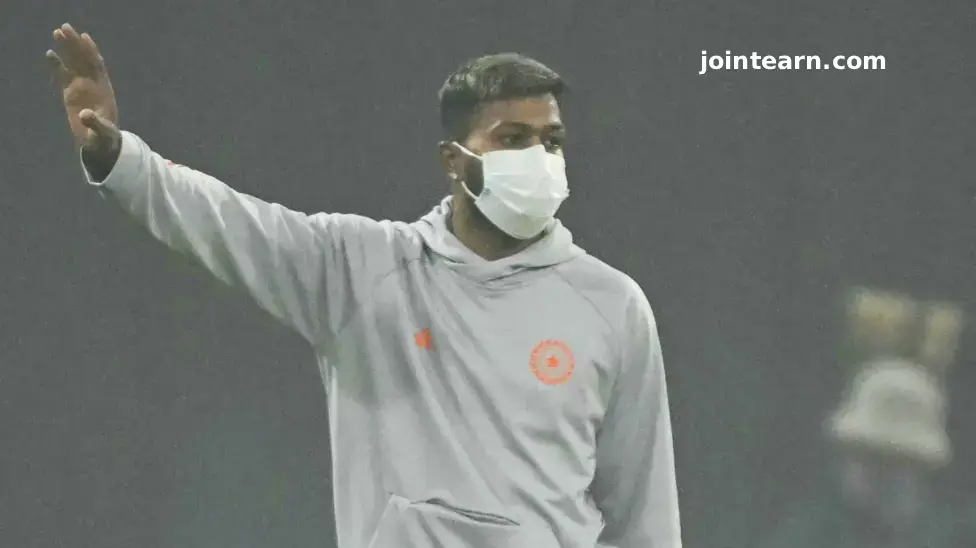
India all-rounder Hardik Pandya was seen wearing a protective mask during warm-ups, sparking concerns about the deteriorating air quality in Lucknow. Reports indicated that the Air Quality Index (AQI) was approximately 400 at the time of the scheduled match start—well into the hazardous category, which can pose serious health risks.
While the official statement cited “excessive fog” as the reason for abandonment, many experts and fans have pointed to air pollution in northern India as a contributing factor. The combination of dense fog and high pollution levels created unsafe conditions, preventing players from competing safely.
Series Context
Prior to the abandoned game, India led the five-match T20 series 2-1. With one match remaining, the series will now be decided in the final T20 clash scheduled in Ahmedabad on Friday. Fans are eagerly awaiting the outcome, as both teams have showcased impressive performances throughout the series.
Impact on Players and Fans
The abandoned match disappointed thousands of spectators at Ekana Stadium and millions watching online. Players also had to adjust to the abrupt schedule change, with many expressing concern over health risks linked to prolonged exposure to hazardous air conditions.
Experts have urged sports authorities to consider air quality when planning matches, especially in regions prone to winter fog and pollution, to ensure the safety of athletes and fans alike.


Leave a Reply