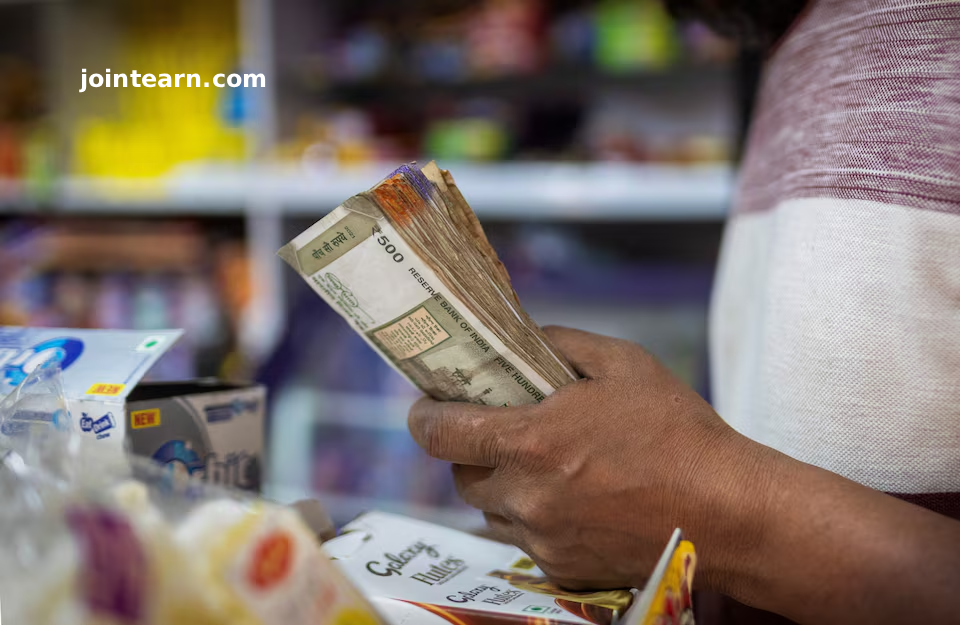
The Indian rupee closed flat on Tuesday at 89.65 per U.S. dollar, as persistent dollar demand from local corporates and activity in the non-deliverable forwards (NDF) market counterbalanced gains in most regional currencies. The currency remained under pressure, with traders closely monitoring both importer demand and central bank interventions.
Dollar Demand from Importers Weighs on Rupee
Persistent dollar buying by local oil companies and other importers contributed to the rupee’s muted performance. Traders noted that despite slight gains in regional Asian currencies, the rupee was unable to make significant moves due to speculative pressure in the NDF market.
A trader at a state-run bank said:
“Onshore participants remain hesitant to build long positions on USD/INR, particularly after the central bank’s heavy-handed interventions last week.”
Trading Range and Market Outlook
According to Amit Pabari, Managing Director at FX advisory firm CR Forex, the rupee is expected to trade within a range of 89.20–90.20 per dollar.
- A sustained break below 89.20 could open the door toward 88.50.
- Conversely, a move above 90.10 may trigger further upward pressure on the USD/INR pair.
While the Reserve Bank of India’s interventions managed to lift the rupee roughly 2% from all-time lows, forward market premiums remain elevated, reflecting ongoing speculative positioning.
Surge in Dollar-Rupee Forward Premiums
Last week, outsized moves in the forward market intensified as a combination of a dollar glut and regulatory and balance-sheet constraints pushed forward premiums higher.
- The 1-month dollar-rupee forward premium surged to nearly 48 paisa, the highest since 2019.
- The 1-year implied yield touched 3.29% before easing slightly.
State-run banks’ participation helped moderate far-forward premiums, preventing further escalation.
Broader Currency Context
The dollar index slipped 0.2% to 97.9, marking its lowest level in over two months. Meanwhile, Asian currencies generally strengthened, with gains ranging between 0.1% and 0.4%, providing a modest tailwind for emerging market currencies including the rupee.
Conclusion
The Indian rupee continues to navigate a delicate balance between strong importer dollar demand, forward market speculation, and central bank interventions. Traders remain cautious, with the currency likely to trade within a defined range until clearer directional cues emerge from both domestic and global financial developments.


Leave a Reply