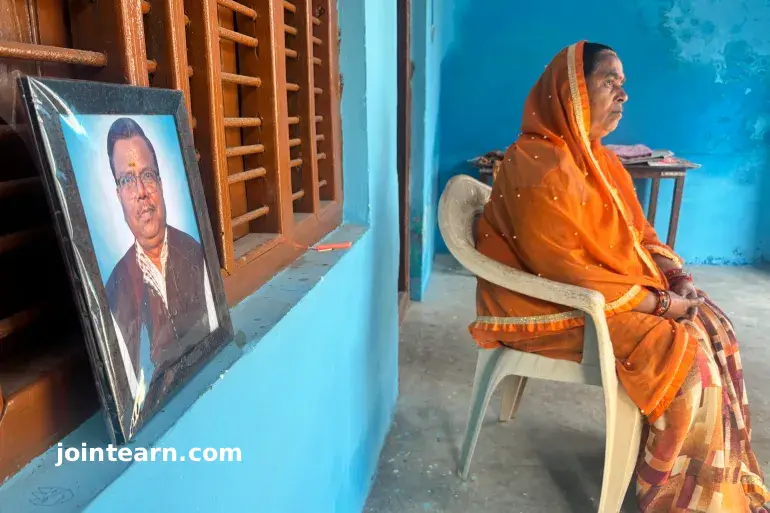
India is facing a growing crisis as dozens of booth-level officers (BLOs) tasked with revising electoral rolls have died, with several cases attributed to suicide due to extreme work pressure. The deaths have drawn national attention to the Special Intensive Revision (SIR) process, which critics say is overwhelming, poorly organized, and potentially disenfranchises millions of voters.
Electoral Roll Revision and BLO Responsibilities
The Election Commission of India (ECI) launched the SIR on November 4, 2025, across 12 states and federally governed territories. The exercise aims to update voter lists by adding eligible voters and removing ineligible ones, including duplicates and deceased individuals.
BLOs—often government teachers or junior officials—are responsible for:
- Conducting house-to-house visits
- Collecting voter documents and photographs
- Identifying deceased or ineligible voters
- Uploading collected data to a government portal
The handbook issued by the ECI outlines the duties but provides limited guidance, leaving BLOs struggling with enormous workloads. Errors in data entry or missed details often require repeating the work, adding to stress and fatigue.
Tragic Consequences: Deaths of BLOs
At least 33 BLOs have died since the SIR began, according to reports by the Spect Foundation. At least nine deaths are confirmed suicides, with suicide notes referencing overwhelming work pressure.
- Vijay Kumar Verma, 50, a contractual teacher in Lucknow, collapsed while working late at night and later died from a brain hemorrhage.
- Rinku Tarafdar, 53, a biology teacher in West Bengal, died by suicide, citing unbearable workload in her two-page note.
- Sarvesh Singh, 46, a BLO in Uttar Pradesh, died by suicide on December 1 after failing to meet unrealistic targets.
- Anuj Garg, 44, a teacher in Rajasthan, died of cardiac arrest due to exhaustion while working late at home.
Family members and colleagues describe BLOs working barely two hours of sleep per day, frequently staying up all night to upload forms online due to portal issues. Many BLOs have faced constant phone calls from voters seeking corrections, often at odd hours.
Overwhelming Workload and Lack of Training
Many BLOs report that training was minimal, lasting only two to three hours, leaving them unprepared for the complex, high-pressure task of updating voter lists for millions of citizens. The SIR deadlines have been extended multiple times, from December 11 to December 26, yet the pressure remains intense.
Opposition parties and watchdog groups have criticized the Election Commission of India for providing insufficient support, including:
- Lack of data entry operators
- Limited digital literacy assistance
- Insufficient compensation (recently increased to 1,000 rupees per BLO, with a 6,000-rupee incentive for completing election work)
A video circulated by the ECI showing BLOs dancing to relieve stress sparked outrage on social media, with critics calling it insensitive and tone-deaf.
Political Controversy and Alleged Voter Disenfranchisement
The SIR has been criticized for targeting minority populations, particularly in Bihar’s Seemanchal region, where voter removals disproportionately affected Muslim citizens. Opposition leaders, including Rahul Gandhi, accused the ECI of a “sinister plan” to manipulate elections, while ruling party officials defended the exercise as normal administrative work.
Several petitions have been filed in Indian courts challenging the SIR, including submissions by families of deceased BLOs, opposition politicians, and the Association for Democratic Reforms, citing excessive pressure and procedural irregularities.
Impact on Families
Families of deceased BLOs often relied on them as primary earners. Many have expressed frustration at the lack of government support following the deaths. Harshit Verma, son of Vijay Kumar Verma, called for compensation and a government job, highlighting the financial and emotional toll on families.
Conclusion
India’s Special Intensive Revision (SIR) process has exposed the human cost of a massive electoral exercise executed under extreme pressure. With over 30 BLOs dead and widespread reports of stress and suicide, there is an urgent need for better training, reduced workloads, and mental health support for election officials.
The controversy underscores broader concerns about voter disenfranchisement, administrative accountability, and the human consequences of rushed electoral procedures in the world’s largest democracy.


Leave a Reply