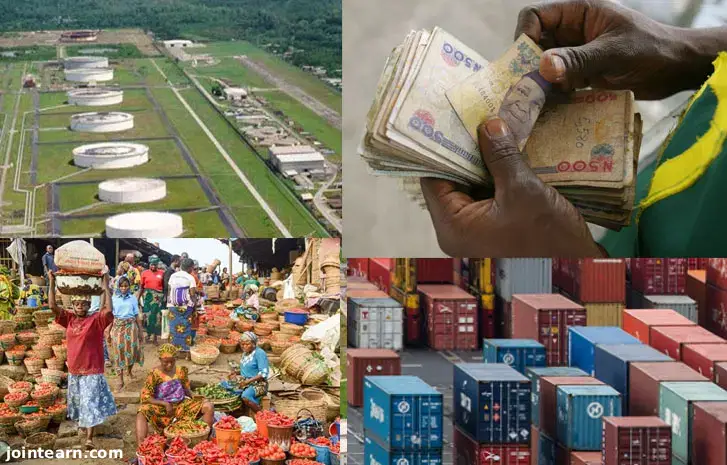
As Nigeria enters 2026, business leaders and economists warn the economy stands at a pivotal point, with opportunities for growth countered by significant risks.
Speaking to Financial Vanguard, CEOs, capital market operators, and economists said that while recent reforms have helped stabilise macroeconomic indicators, challenges like insecurity, volatile oil prices, pre-election fiscal pressures, and global shocks could easily reverse gains.
Macro Outlook:
The Central Bank of Nigeria (CBN) projects GDP growth of 4.49%, inflation easing to 12.4%, and external reserves rising to $51.04 billion. These projections assume $55 per barrel oil, domestic crude production of 1.5 mbpd, and a broadly stable Naira.
Experts note that the economy has moved from crisis to cautious stability. Inflation has moderated, crude production improved, and foreign reserves strengthened. Yet, geopolitical tensions and global monetary tightening remain key risks for 2026.
Growth Prospects:
GDP growth is expected to range 3.1% to 4.5%, modest by emerging market standards but meaningful for Nigeria’s recovery. Reforms like the Tax Reform Act and banking sector recapitalisation are central to medium-term growth and investor confidence.
Inflation & Interest Rates:
Headline inflation, which peaked above 33% in 2024, is forecast to average 17.4% in 2026. Experts say this moderation could allow the CBN to cut interest rates, improving borrowing conditions and stimulating private investment.
Foreign Exchange and Oil:
A stable Naira is deemed more important than a strong one. Oil remains central to fiscal health, with production projected at 1.7–1.8 mbpd and prices expected between $50–$65 per barrel. Analysts stress that stable production, not just price, is critical for revenue planning and reserves.
Non-Oil Sectors and Manufacturing:
Non-oil sectors like manufacturing, refining, agriculture, and trade are expected to drive growth. The Dangote Refinery alone could contribute 1.5 percentage points to GDP, while tax reforms remove barriers to reinvestment.
Fiscal Policy and Investment Climate:
The government faces a projected N20.5 trillion deficit (4.4% of GDP), highlighting the need for prudent spending. Strong fiscal and monetary management, alongside tackling insecurity, will determine whether reforms translate into inclusive growth and improved living standards.
Looking Ahead:
CEOs and economists agree that 2026 will be a “proof year” for Nigeria’s economy. Maintaining policy consistency, FX stability, and inflation control, while managing global shocks, will be essential to ensure reforms deliver tangible results for businesses and households.


Leave a Reply