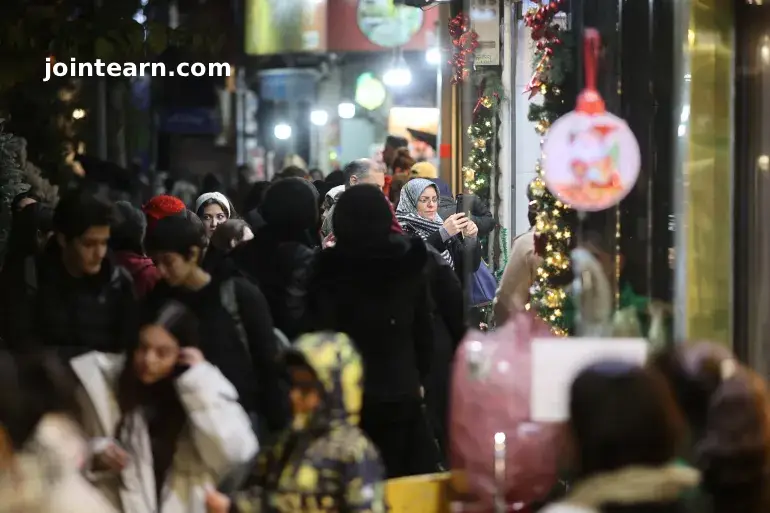
Tehran, Iran – Iran’s economic outlook is growing increasingly grim as the national currency plunges to historic lows, coinciding with the release of the government’s 2026 budget. The situation underscores the immense challenges facing ordinary Iranians as prices for essential goods continue to rise.
On Wednesday, the Iranian rial fell to a record low of approximately 1.36 million rials per US dollar on the open market in Tehran, before a minor recovery the following day. The currency’s decline has accelerated in recent weeks due to mounting Western sanctions, ongoing diplomatic pressure, and the looming threat of conflict with Israel.
2026 Budget Highlights Economic Strain
President Masoud Pezeshkian submitted the finalized budget to Iran’s hardline-dominated parliament, ahead of the Iranian calendar year starting in late March 2026. The proposed budget, still requiring approval from the 12-member Guardian Council, nominally increases public spending by just over 5 percent compared to the previous year. However, with inflation running at nearly 50 percent, this represents a significant reduction in real purchasing power for Iranian citizens.
Meanwhile, minimum wage hikes of only 20 percent fall far below the inflation rate, ensuring that ordinary workers will face continued economic hardship. The government also projects a sharp rise in tax revenues by 62 percent, an effort to reduce reliance on oil exports amidst ongoing US pressure, even as many of these exports continue clandestinely to countries like China.
At current exchange rates, the 2026 budget amounts to roughly $106 billion—far below the projected budgets of regional rivals such as Turkiye, Saudi Arabia, and Israel.
Currency Reforms and Subsidy Changes
The government is also implementing a four-zero redenomination of the rial, removing four digits from the currency. Although largely cosmetic, this reform aims to simplify transactions and accounting. Excess funds from the elimination of the subsidized exchange rate will be distributed as electronic coupons for low-income Iranians to purchase essential items like food.
The multi-tier exchange rate system will remain, allocating different rates for customs duties, imports, and oil revenues, while abandoning previously subsidized rates for essential goods—a move that could trigger short-term price shocks.
Rising Costs and Public Frustration
Recent government measures have already stirred public concern. Fuel price increases, approved in early December, have pushed transport costs higher, which is expected to further exacerbate inflation. Currently, Iran has four fuel price tiers, ranging from 50,000 rials per liter for the lowest quality to 800,000 rials per liter for higher-grade imported fuel, highlighting the stark disparity in affordability.
Online reactions reveal widespread dissatisfaction, particularly regarding wage increases that fail to match soaring prices. Many Iranians recalled Pezeshkian’s previous remarks acknowledging the disparity between wages and inflation, which he described as a “grave injustice” against workers and the poor.
Despite assurances of a 20-point economic relief plan from Hamid Pourmohammadi, head of the Plan and Budget Organization, concerns remain over the government’s ability to address structural fiscal problems. Repeated reliance on central bank money printing has fueled inflation, while successive administrations have struggled to eliminate budget deficits or stabilize failing banks.
Outlook for Ordinary Iranians
With inflation far outpacing wage growth, Iranians are expected to face a higher cost of living in 2026, particularly for essential items like food, housing, and transport. Analysts warn that without substantive reforms, the economy could deteriorate further, compounding social and economic pressures on Iran’s 90 million residents.
The situation in Tehran and across the country highlights the dual challenge of managing currency devaluation while attempting to implement budgetary reforms that do not disproportionately harm the most vulnerable segments of society.


Leave a Reply