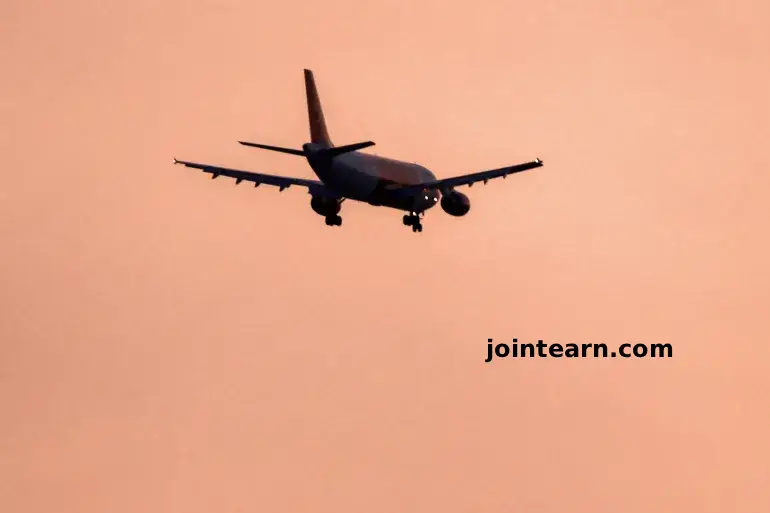
Iran has reopened its national airspace after a temporary closure that lasted nearly five hours, a move that disrupted international air travel and reflected rising geopolitical tensions over possible US military action against Tehran.
Why Was the Airspace Closed?
On January 14, Iranian authorities issued a Notice to Air Missions (NOTAM) restricting most flights over the country. The closure, which took effect in the late evening, limited airspace access to planes with prior permission from Iran’s Civil Aviation Authority, effectively halting the majority of commercial overflights.
The sudden closure occurred amid heightened fears of a potential US strike on Iran, linked to Tehran’s deadly crackdown on antigovernment protests and Washington’s warnings against further repression. The move forced airlines to cancel, delay, or reroute flights, with some carriers flying wide around Iranian airspace for safety reasons.
Airspace Reopened After Hours
The restriction was removed shortly before 10 p.m. Eastern Time, and airspace was declared open again just before midnight local time — allowing flights to resume over Iran. Aircraft from Iranian carriers such as Mahan Air, Yazd Airways, and AVA Airlines were among the first to return to normal routes once the closure ended.
Airlines Still Cautious
Despite the reopening, many European and international airlines continue to avoid flying over Iran and neighbouring Iraq due to ongoing security concerns. Carriers including Lufthansa, British Airways, Singapore Airlines, and Wizz Air have preferred alternative routes over Afghanistan or Central Asia to mitigate geopolitical risk.
Broader Context: Regional Tensions
The airspace restrictions were part of a broader atmosphere of instability:
- The United States and the United Kingdom withdrew some military personnel from Al Udeid Air Base in Qatar amid threats from Tehran that it could target US forces if attacked.
- The closure occurred against the backdrop of widespread anti‑government protests in Iran, which authorities have violently suppressed.
Safety Concerns and Aviation Risks
Aviation safety groups cautioned that such closures often indicate heightened military activity or elevated risk of missile launches and air defence operations — situations that increase the danger of civilian aircraft misidentification over conflict zones.
The scenario underscores how geopolitical tensions can rapidly impact global flight routes, airline operations, and international travel safety — even after airspace reopens.


Leave a Reply