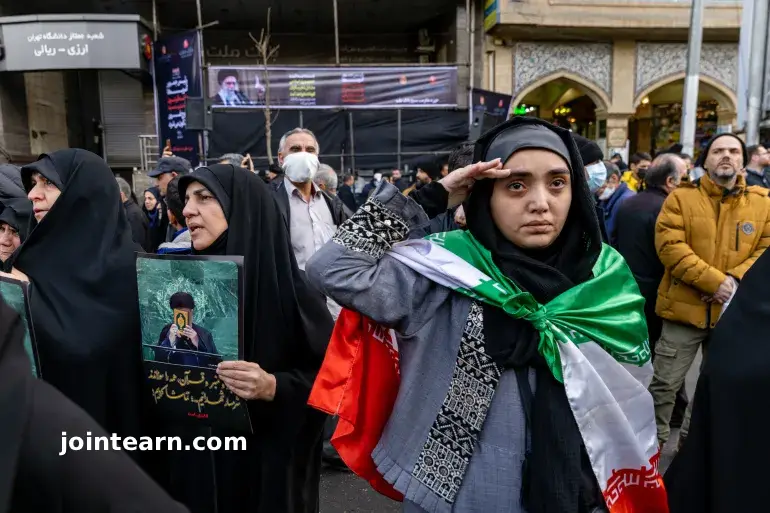
TEHRAN, Iran – January 17, 2026 – Iran has begun easing sweeping communication restrictions that were imposed after nationwide anti-government protests erupted last month, leaving hundreds dead and thousands detained. The move marks the start of a phased rollback of the near-total internet blackout that has disrupted daily life, commerce, and communication across the country.
According to Iran’s semiofficial Fars News Agency, authorities restored short messaging services (SMS) nationwide on Saturday, signaling the first step toward gradually restoring internet connectivity after eight days of almost complete digital shutdown.
Background: Protests Spark Deadly Crackdown
The unrest, which began on December 28, 2025, was triggered by rising prices and worsening economic hardship, spreading rapidly across multiple Iranian cities. Authorities describe the protests as being instigated by “terror organisations,” and have cited the detention of key figures as justification for the extensive crackdown.
Government officials claimed that the internet blackout successfully weakened internal communications of opposition networks abroad and disrupted the operations of what they called “terror cells.” Rights groups, however, report that the crackdown has left thousands of civilians dead, with widespread reports of arrests and detentions.
Phased Internet Restoration Plan
Officials have emphasized that the return of connectivity will be gradual and phased:
- Phase 1 – SMS Services: Already restored, allowing basic text communication.
- Phase 2 – National Internet and Domestic Apps: Platforms such as Eita and Bale, popular Iranian messaging apps, have resumed functioning, but international internet access remains blocked.
- Phase 3 – Full International Internet Connectivity: Authorities have not provided a timeline for when complete global access will be restored.
Al Jazeera correspondent Resul Serdar Atas in Tehran reported that the blackout has severely impacted daily life, comparing the current situation to living “almost 30 years back, when internet access was extremely limited.”
Economic and Social Impacts of the Blackout
The prolonged internet shutdown has intensified economic pressures, which were one of the main triggers for the protests. Businesses, particularly those reliant on digital communication and online transactions, have been heavily disrupted. Atas explained:
“It is, of course, having a huge impact on business as well. The main trigger of this protest was the economic hardship that Iranians are facing daily, and this large internet blackout is further complicating and destabilizing the economy here. As long as this internet blackout is in place, the sense of normalcy is not going to return.”
Even with SMS restored, monitoring groups report that overall internet access remains critically limited. Internet watchdog NetBlocks noted a slight increase in connectivity on Saturday morning, but overall access remained at just 2% of normal levels, indicating that most Iranians are still largely offline.
Human Toll and Security Response
While protests have reportedly subdued in recent days, tensions remain high. Iran’s Supreme Leader Ayatollah Ali Khamenei condemned U.S. involvement in the unrest, labeling President Donald Trump a “criminal” for alleged interference during the protests.
Authorities reported approximately 3,000 arrests and have claimed that they are committed to exercising restraint while maintaining public order. Meanwhile, U.S.-based rights group HRANA estimates that around 3,000 civilians have been killed, with more than 100 security personnel also dead.
Atas confirmed that the exact numbers remain uncertain, saying:
“More than 100 security personnel and hundreds of civilians and protesters have been killed, with figures likely to change as inquiries proceed.”
Despite official statements of caution and restraint, rights groups continue to highlight the human cost of the crackdown, emphasizing that connectivity restrictions have further hampered the flow of independent information.
What’s Next for Iran?
Officials have provided limited guidance on when full internet access will be restored. Iran’s Foreign Minister, Abbas Araghchi, stated connectivity will return “soon,” but did not offer a specific timeline.
Analysts warn that the partial restoration of communication services will have little immediate effect on the country’s sense of normalcy, given the continued restrictions on international internet access and ongoing political uncertainty.
As Iran slowly reopens its digital channels, both citizens and businesses remain cautious, while international observers continue monitoring the situation closely for human rights and economic implications.
Key Takeaways
- Iran has restored SMS services as part of a phased rollback of its internet blackout.
- Domestic messaging apps like Eita and Bale are operational, but international connectivity remains limited.
- The blackout has worsened economic hardships and disrupted daily life.
- Protests that began over economic conditions have resulted in thousands of deaths and arrests.
- Authorities emphasize a gradual return to normalcy, but timelines remain unclear.


Leave a Reply