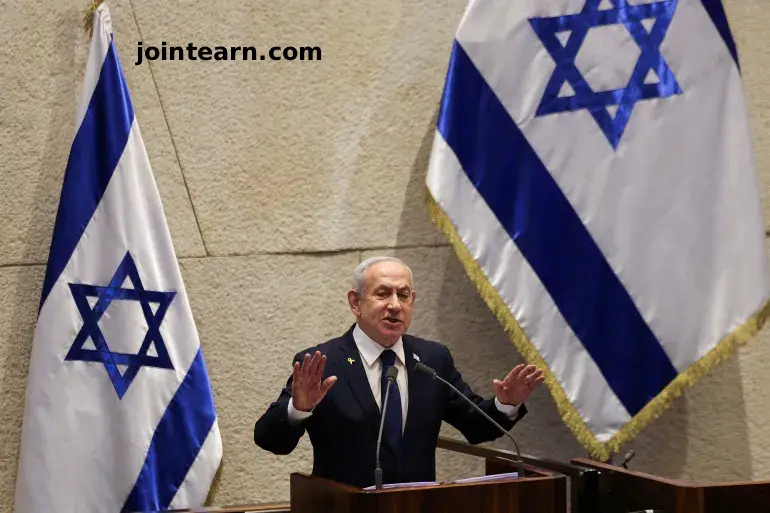
In recent years, Israel’s government has intensified its control over media outlets, sparking global concern about freedom of the press and democracy within the country. Critics argue that recent media laws, including the controversial ban on Al Jazeera, are part of a broader strategy to silence dissenting voices, limit independent reporting, and manipulate public perception.
Israel’s Al Jazeera Law: A Targeted Strike Against Foreign Media
One of the most notable measures is the so-called Al Jazeera Law, legislation allowing the Israeli government to shut down foreign media outlets on the grounds of national security. Originally enacted during Israel’s war on Gaza, the law was intended to halt Al Jazeera’s operations within the country. On December 23, 2025, the Israeli parliament approved a two-year extension of this law, giving the government unprecedented authority to block foreign reporting.
The law empowers the communications minister, with approval from the prime minister and a ministerial committee, to halt foreign broadcasters’ transmissions, confiscate equipment, and block websites. Critics argue that this gives the government near-total control over which narratives reach the public, undermining media freedom.
Domestic Media Under Threat
The Israeli government’s clampdown is not limited to foreign media. Domestically, efforts are underway to dismantle or reform publicly funded media outlets that maintain editorial independence.
Army Radio and Kan
Two major state-supported platforms—Army Radio and Kan—have faced government scrutiny for their critical reporting. Army Radio, often targeted by right-wing politicians for alleged bias, may face closure. Kan, Israel’s public broadcaster, has aired interviews critical of government actions, including revelations about Prime Minister Benjamin Netanyahu’s handling of the October 7, 2023 attacks.
Plans are also in motion to privatize Kan and place media regulators under direct government control. Experts warn that these moves could institutionalize government influence over Israeli news coverage.
Government Justifications and Public Criticism
Government officials justify these measures by claiming the media has been excessively critical and even harmful to national interests. Communications Minister Shlomo Karhi linked media criticism to public opposition to judicial reforms and mobilization issues during wartime. Defense Minister Israel Katz similarly criticized Army Radio for allegedly undermining the military.
However, international watchdogs and journalists’ unions have condemned these actions. The International Federation of Journalists (IFJ) and the UK National Union of Journalists labeled Israel’s legislation a threat to free speech and media freedom. IFJ Secretary-General Anthony Bellanger called the government’s actions “typical behavior of authoritarian regimes” and highlighted the danger to public access to information.
The Broader Context: Media Bias and War Coverage
Israel’s domestic media has been criticized for overwhelmingly supporting government actions, particularly in Gaza and the occupied West Bank. Reports suggest that over 70,000 Palestinians have died during military operations, yet local media coverage often minimizes Palestinian suffering or justifies military actions.
Journalist Orly Noy described the Israeli media’s role as shaping public opinion to support war, rather than educating the public. Observers note a stark contrast: while Israel condemns attacks against its own facilities, it has been accused of systematically destroying Gaza’s healthcare system and targeting medical workers.
The Impact on Israeli Democracy
By controlling both foreign and domestic media, Israel’s government risks undermining democratic principles, including freedom of expression, accountability, and transparency. Critics argue that the consolidation of media power allows the government to control public narratives, justify military actions, and suppress dissenting voices.
Key Takeaways
- Al Jazeera Law allows Israel to shut down foreign media citing national security.
- Publicly funded media like Army Radio and Kan face privatization or closure.
- Media regulators may soon be placed under direct government control.
- International organizations warn these measures threaten press freedom.
- Coverage of Palestinian suffering is limited, often framing Israel’s military actions positively.
Conclusion
Israel’s media landscape is increasingly shaped by government influence. From banning foreign media to controlling domestic outlets, critics argue that these policies undermine democratic norms and restrict the public’s access to unbiased information. The global community, journalists, and media rights organizations continue to call for transparency, accountability, and the protection of press freedom in Israel.


Leave a Reply