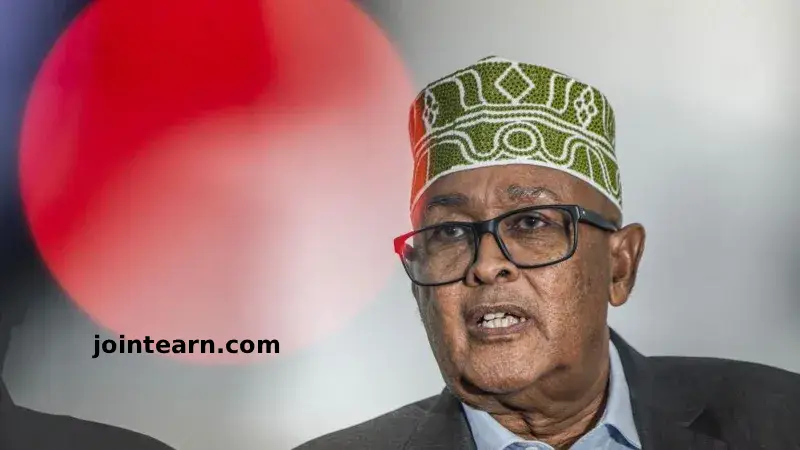
Israel has formally recognised Somaliland as an independent nation, making it the first country to do so. The announcement, made by Prime Minister Benjamin Netanyahu, marks a major diplomatic shift in the Horn of Africa and could have far-reaching implications for regional stability and international relations.
Netanyahu Promises Expanded Cooperation
Prime Minister Netanyahu stated that Israel intends to immediately expand cooperation with Somaliland across key sectors, including agriculture, health, and technology. Israeli Foreign Minister Gideon Saar confirmed plans to establish full diplomatic ties, including the appointment of ambassadors and opening of embassies, saying:
“I have instructed my ministry to act immediately to institutionalize ties between the two countries across a wide range of fields.”
Somaliland’s president, Abdirahman Mohamed Abdullahi, hailed the recognition as a “historic moment” and announced that Somaliland would join the Abraham Accords, framing the move as a step toward regional and global peace. Abdullahi emphasized Somaliland’s commitment to partnerships, mutual prosperity, and stability across the Middle East and Africa.
Somalia and Regional Rejection
Somalia’s Prime Minister, Hamza Abdi Barre, strongly condemned Israel’s recognition, calling it a deliberate attack on Somalia’s sovereignty. The decision has also been criticized by the foreign ministers of Egypt, Turkey, and Djibouti, who issued a joint statement reaffirming their support for Somalia’s unity, sovereignty, and territorial integrity.
The statement warned that unilateral recognition of breakaway regions could set a dangerous precedent under international law and the United Nations Charter, and argued it might undermine regional stability by creating “parallel entities” within recognized states. The ministers also reaffirmed opposition to any measures that would displace Palestinians from their homeland.
Strategic Importance of Somaliland
Somaliland, located along the Gulf of Aden, declared independence from Somalia in 1991 after a war of independence against dictator General Siad Barre. With a population of nearly six million, it has its own currency, passports, police force, and government institutions, yet has struggled for international recognition for over three decades.
The self-declared republic has recently become central to regional disputes involving Somalia, Ethiopia, and Egypt. Last year, Somaliland signed an agreement with landlocked Ethiopia to lease a stretch of coastline for a port and military base, angering Somalia.
Recognition by Israel is likely to boost Somaliland’s diplomatic credentials, potentially encouraging other nations to follow suit, increasing its access to international markets and strategic partnerships.
Historical Context: Abraham Accords and Israel-Africa Relations
Israel has steadily sought to strengthen ties with countries in the Middle East and Africa. The historic Abraham Accords of 2020, brokered during Trump’s presidency, saw countries like the United Arab Emirates and Morocco normalize relations with Israel, with additional nations joining later. Netanyahu’s recognition of Somaliland continues this trend, signaling Israel’s intent to expand its influence and alliances on the African continent.
Conclusion
Israel’s recognition of Somaliland represents a landmark shift in African diplomacy. While it strengthens Israel-Somaliland relations and could bolster regional trade and security cooperation, the move is likely to exacerbate tensions with Somalia and other neighboring countries, potentially impacting Horn of Africa stability and international law debates.


Leave a Reply