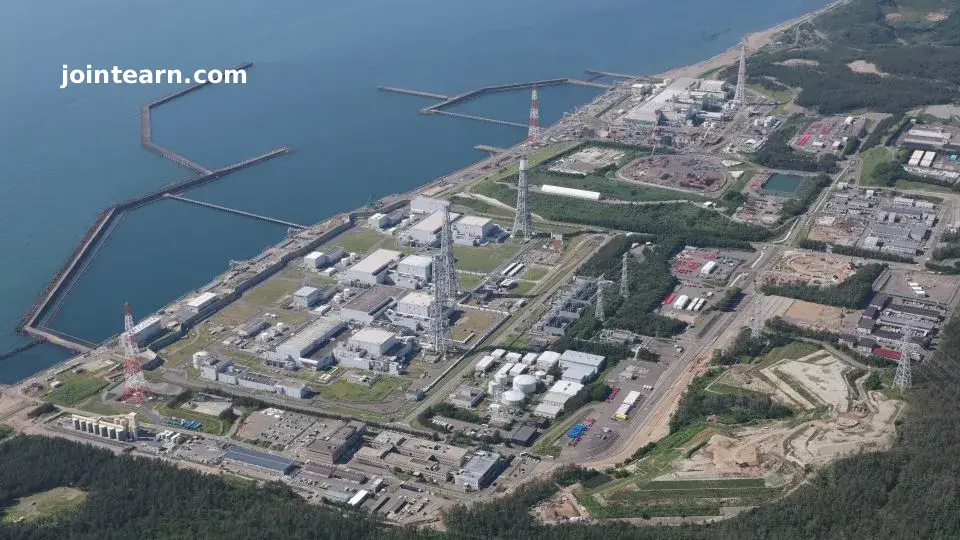
Japan has officially approved the restart of the Kashiwazaki-Kariwa Nuclear Power Plant, the world’s largest nuclear facility, over 15 years after the Fukushima disaster. The move comes as the country seeks to reduce reliance on costly imported fossil fuels and advance its climate goals.
Kashiwazaki-Kariwa: History and Significance
- The plant, located in Niigata Prefecture, about 320 km north of Tokyo, houses seven reactors, with the No. 6 reactor set to come back online around January 20, 2026.
- It was shut down in 2011 following the Fukushima Daiichi nuclear disaster, triggered by a 9.0-magnitude earthquake and tsunami.
- Before Fukushima, Japan’s nuclear plants provided approximately 30% of the country’s electricity.
TEPCO, the utility that operates Kashiwazaki-Kariwa and ran Fukushima Daiichi, has sought to reassure local residents that safety measures have been upgraded.
Safety Measures and Upgrades
TEPCO highlighted extensive improvements designed to prevent accidents:
- New seawalls and watertight doors to protect against tsunamis
- Mobile generators and additional fire trucks for emergency cooling support
- Upgraded filtering systems to control the release of radioactive materials
- Comprehensive integrity checks on Unit 6, completed in October 2025
TEPCO spokesperson Masakatsu Takata emphasized:
“We remain firmly committed to never repeating such an accident and ensuring Niigata residents never experience anything similar.”
Economic and Energy Context
Since the Fukushima disaster, Japan has relied heavily on imported fossil fuels, with coal and natural gas supplying 60–70% of the country’s electricity. Last year alone, imports cost approximately 10.7 trillion yen ($68 billion).
The restart of nuclear reactors is part of Prime Minister Sanae Takaichi’s pro-nuclear agenda, aimed at:
- Reducing energy costs
- Supporting economic growth
- Controlling inflation
- Meeting climate and energy targets
Japan plans to double the share of nuclear power in its electricity mix to 20% by 2040, alongside investments in solar and wind energy.
Public Concerns
Despite government assurances, local residents remain wary due to the trauma of Fukushima.
- A survey by Niigata prefecture in October 2025 found that 60% of residents felt restart conditions were not met, and 70% expressed concerns about TEPCO operating the plant.
- Ayako Oga, a resident displaced by Fukushima, said:
“We know firsthand the risk of a nuclear accident and cannot dismiss it.”
Global and Environmental Implications
- Japan is the fifth-largest CO₂ emitter in the world and has committed to net-zero emissions by 2050.
- The country’s energy demand is expected to rise due to the growth of data centers powering AI and other technologies.
- Restarting nuclear plants like Kashiwazaki-Kariwa is seen as a key step toward reducing fossil fuel dependence while maintaining grid stability.


Leave a Reply