Amman, Jordan – Jordan’s military has carried out a series of air strikes targeting drug and weapons smuggling networks along its northern border with Syria. The operations reportedly destroyed smuggling sites, laboratories, and workshops used by trafficking groups, according to the Jordan News Agency, Petra.
Precision Strikes Against Smuggling Networks
On Wednesday, the Jordanian Armed Forces executed strikes aimed at neutralizing armed groups involved in weapons and narcotics smuggling into Jordan. Petra reported that the attacks were based on accurate intelligence and coordinated with unnamed regional partners, emphasizing Jordan’s commitment to counter cross-border threats.
“We continue to counter any threats with force at the appropriate time and place,” Petra cited military sources as saying.
Syrian state media, Al-Ikhbariah TV, confirmed that air strikes hit sites in the southern and eastern countryside of Suwayda governorate, targeting smuggling farms and routes. Local residents described the bombardment as “extremely intense,” and images circulated by the UK-based Syrian Observatory for Human Rights showed damage at abandoned military barracks previously used by the al-Assad regime.
Focus on Captagon and Narcotics Production
Among the targeted facilities was a farm suspected of storing Captagon, a widely trafficked amphetamine-type stimulant. Jordanian operations against the drug trade are part of a broader effort to stem the flow of Captagon into the Kingdom, which has surged since Syria’s civil war.
Before the fall of President Bashar al-Assad in December 2024, Captagon production had become a key source of funding for the regime. Analysts estimated that smuggling of the synthetic drug brought in billions of dollars for Assad and his allies, flooding neighboring countries, especially the Gulf states, and prompting strict regional crackdowns.
Although Damascus has consistently denied involvement in the Captagon trade, Syria’s civil war created conditions for large-scale drug production, enabling trafficking networks to operate along border regions with Lebanon, Jordan, and Iraq.
Regional Security and Military Strategy
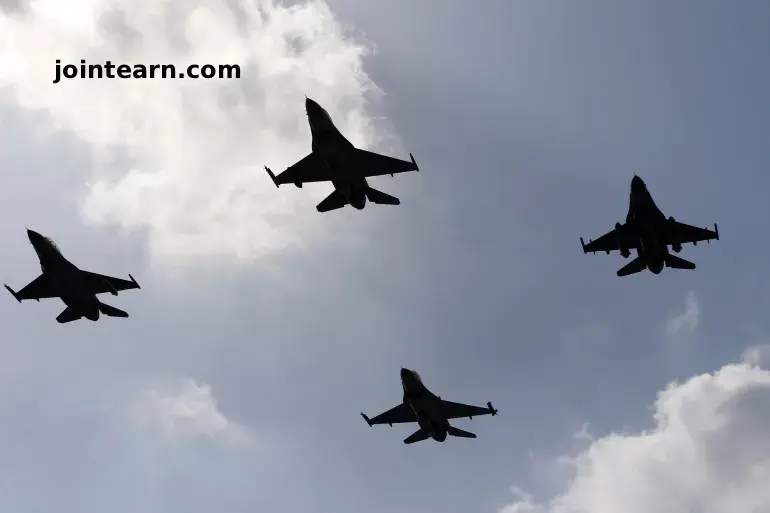
Jordan’s strikes highlight the country’s proactive defense strategy to secure its borders against illicit trafficking and potential armed threats. Jordanian F-16 fighter jets and helicopters reportedly participated in the air raids, reflecting the country’s reliance on precision military operations to protect national security.
No casualties were immediately reported from the Jordanian operations, and Syrian authorities have not issued any official statements regarding the strikes. However, the targeting of smuggling farms and former military facilities underscores the ongoing security challenges along the Jordan-Syria border.
Continued Efforts to Combat Smuggling
Jordanian officials have made clear that countering smuggling networks—whether drugs, weapons, or other illicit goods—remains a top priority. These operations demonstrate the country’s cooperation with regional partners and the use of intelligence-driven military action to dismantle organized crime and reduce security threats in the volatile border regions.
As the flow of narcotics, especially Captagon, continues to pose economic, social, and security risks across the Middle East, Jordan’s military interventions are likely to intensify in coordination with regional allies, aiming to disrupt trafficking networks and prevent further destabilization along its borders.


Leave a Reply