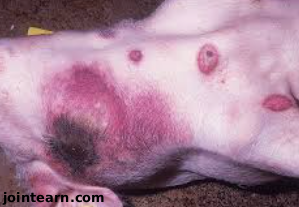
The Lagos State Government has intensified biosecurity measures and support programmes for pig farmers to protect the state’s livestock industry amid a rising global threat from animal diseases, particularly African Swine Fever (ASF) and E. coli infections.
The initiative comes in response to international reports highlighting the increasing spread and severity of these pathogens across multiple continents, underscoring the need for proactive intervention.
ASF at the Centre of Lagos’ Strategy
ASF, a highly contagious and economically devastating disease for pig farmers, remains the focus of Lagos State’s efforts. Through its Livestock and Veterinary Services Departments, the state has implemented strategies to prevent outbreaks, contain infections when detected, and support farmers affected by the disease.
Measures include frequent training sessions and seminars to educate farmers on disease risks, alongside routine fumigation and de-infestation of farms. The government also enforces strict biosecurity protocols to prevent cross-contamination from farm-to-farm movement.
Government Support for Farmers
The Commissioner for Agriculture and Food Systems, Ms. Abisola Olusanya, emphasized that preparedness is key.
“Our goal is to create a resilient and secure pig industry, which is why we continue to collaborate closely with pig farmers to uphold the strictest biosecurity standards,” she said.
In the event of an outbreak, Lagos activates a rigorous response plan, including assessment of affected farms, depopulation of infected animals, and mandatory resting periods for farms to recover. Sensitisation campaigns have also been intensified to reduce risks of transmission.
Beyond disease prevention, the state provides substantial support schemes, including:
- Biannual distribution of chemicals, sprayers, masks, and boots
- Replacement stock of 1,200 exotic pigs to 400 farmers after previous outbreaks
- Provision of 16 trucks of 30-tonne grains to over 3,000 pig farmers, with more distributions planned
Ms. Olusanya stressed that these initiatives are long-term and strategic, highlighting the importance of sourcing pigs from verified suppliers, maintaining farm records for traceability, and encouraging farmers to adopt insurance policies to mitigate financial risks.
Global Context and Collaboration
ASF remains endemic in over 50 countries across Africa, Europe, Asia, and the Pacific. The disease’s global impact was recently discussed at a three-day conference co-organised by the Food and Agriculture Organization (FAO) and the Global African Swine Fever Research Alliance (GARA) in Rome.
FAO Assistant Director-General Thanawat Tiensin noted:
“The ongoing threat of African Swine Fever underscores the critical need for sustained international collaboration and innovation in disease prevention and control. Protecting the global pork industry also safeguards the livelihoods of millions who rely on it, particularly in rural communities.”
Key outcomes of the meeting included commitments to expand research partnerships, refine control strategies, support vulnerable countries, and promote innovative solutions to protect livelihoods and biodiversity.
Under the Global Initiative for the Control of ASF (2020–2025), developed with the World Organisation for Animal Health (OIE) under the Global Framework for the Progressive Control of Transboundary Animal Diseases (GF-TADs), FAO continues to provide guidance and strategic support to countries battling ASF.
Recent reports, including ASF Situation Report 63: March 2025, highlighted outbreaks such as one in Cabo Verde, emphasizing the urgency for coordinated global action to contain the disease and safeguard food security.


Leave a Reply