Civilian representatives from Lebanon and Israel participated in a historic US-chaired ceasefire monitoring session in Naqoura on Wednesday, marking the first direct talks between the two countries in over 40 years. The meeting signals a cautious attempt to address rising tensions along the volatile Blue Line, the de facto border separating Lebanon and Israel.
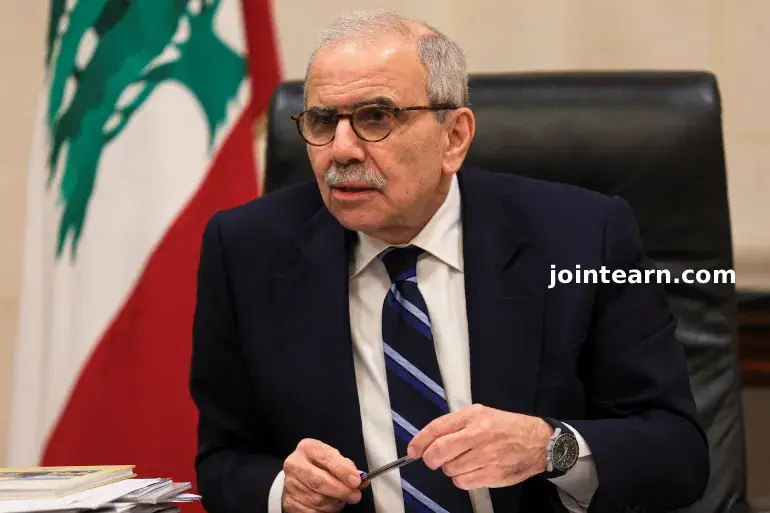
Lebanese Prime Minister Nawaf Salam emphasized that the discussions are focused solely on ceasefire enforcement and security concerns, not peace negotiations.
“These talks are not peace negotiations. Normalisation is tied to a peace process,” Salam said. He added that Lebanon is prepared to engage in discussions extending beyond security matters but stressed that any agreement must respect Beirut’s long-standing commitment to the 2002 Arab Peace Initiative, which links normalization with Israel to the withdrawal of occupied territories from 1967.
Objectives of the Talks
The negotiations primarily aim to:
- Ensure the cessation of hostilities along the border.
- Facilitate the release of Lebanese hostages.
- Oversee the complete withdrawal of Israeli forces from Lebanese territory.
Salam also indicated Lebanon’s willingness to expand the committee’s mandate to include verification of Hezbollah’s rearmament claims and monitor efforts by the Lebanese army to dismantle the group’s infrastructure. He acknowledged that French or US troops could participate in verification operations if required.
“We have received Israeli messages suggesting a possible escalation, but without specific timelines … Envoys who visited Beirut believe the situation is dangerous and could worsen,” Salam said.
Israeli Response and Significance
Israeli officials described the session as a historic development. Government spokesperson Shosh Bedrosian noted that the talks reflect Prime Minister Benjamin Netanyahu’s vision for reshaping Middle East diplomacy.
“This direct meeting between Israel and Lebanon took place as a result of Prime Minister Netanyahu’s efforts to change the face of the Middle East. There are unique opportunities to create peace with our neighbours,” Bedrosian said.
Israel sent the deputy head of its National Security Council’s foreign policy division, while Lebanon appointed Simon Karam, a lawyer and former ambassador to Washington, to represent the country alongside US envoy Morgan Ortagus.
Although Netanyahu framed Karam’s participation as a foundation for potential relations and economic cooperation, Salam insisted the move does not constitute a peace process and maintains Lebanon’s national interests.
Hezbollah and Regional Security
The talks occur amid growing international pressure for Hezbollah to disarm following attacks on Israel in support of Palestinians in Gaza. Hezbollah leaders, including Naim Qassem, have rejected disarmament, labeling it a US-Israeli attempt to weaken Lebanon.
Salam highlighted that while Hezbollah’s arsenal has not deterred Israel, Lebanon has regained control over decisions regarding war and peace.
“Lebanon will not allow adventures that drag us into another war. We must learn from the experience of supporting Gaza,” Salam said.
The session lasted roughly three hours, with civilian envoys participating in the proceedings to help anchor the dialogue in lasting civilian and military engagement, according to a joint statement issued after the meeting.
Rising Tensions Along the Border
Israeli air strikes on Beirut and continued military presence in southern Lebanon, despite the 2024 ceasefire, have fueled fears of renewed escalation. Both sides have been urged by the United States to expand the committee’s scope beyond ceasefire oversight, encompassing broader security and political issues.
The inclusion of civilian envoys in the talks is seen as a potential pressure valve to defuse tensions and prevent further violence in the region.


Leave a Reply