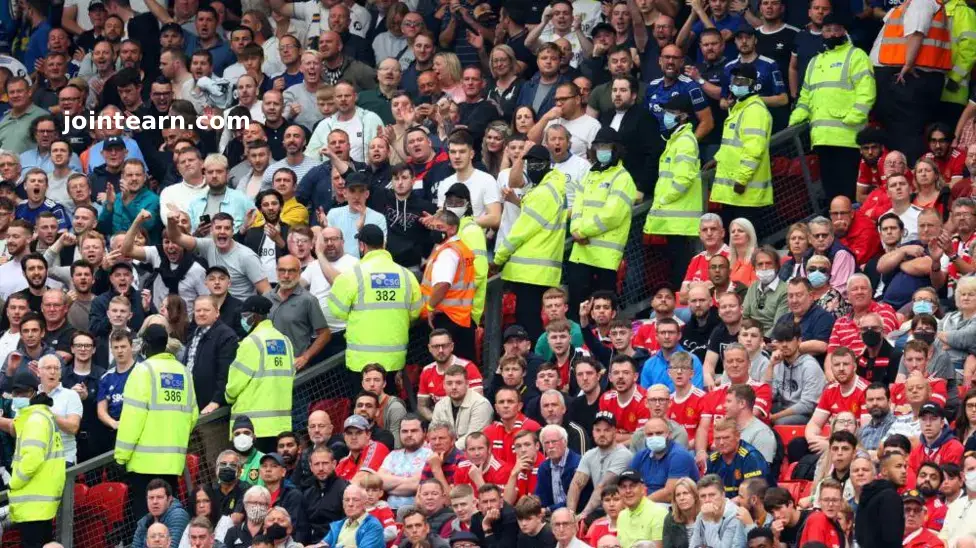
Few fixtures in English football carry the raw emotion, historical bitterness and visceral intensity of Leeds United vs Manchester United. While some rivalries are fuelled by geography alone, this one is steeped in decades of resentment, cultural division and unforgettable moments that continue to define both clubs and their supporters.
Sir Alex Ferguson, the most successful manager in Manchester United’s history, once summed up what it felt like to visit Elland Road. In his autobiography Managing My Life, he wrote that the atmosphere was so hostile it felt as though “a lynching would be too good for us.” On another occasion, following a fraught League Cup match in 2011, Ferguson went even further.
“I have always said Liverpool-Manchester United games are fierce in many aspects,” he said. “But it never reaches the levels of Leeds United. Never.”
That sentiment still resonates today.
Elland Road: A Stadium Like No Other
Leeds have already welcomed major rivals this season, defeating Chelsea 3-1 at home and staging a dramatic comeback to draw 3-3 with Liverpool. Yet the arrival of Manchester United is different. It elevates the city, the stadium and the supporters into something more intense.
Lifelong Leeds fan Gary Edwards captured that feeling perfectly.
“I have a decorating firm and for 40 years we’ve had a motto that we will not use red paint,” he said. “We will paint over red free of charge. It’s still going to this day.”
That level of animosity is not marketing bravado—it is deeply ingrained.
Where Did the Rivalry Begin?
Pinpointing the exact origins of the Leeds–Manchester United rivalry is difficult. Some trace it back to the War of the Roses in the 15th century, though historians argue this explanation is overly simplistic. Others believe the tension emerged during the Industrial Revolution, when Yorkshire and Lancashire became competing powerhouses of British industry—coinciding with the rise of organised football.
Footballing history added fuel in the post-war years. Manchester United’s Busby Babes were widely revered in the 1950s, while Don Revie’s Leeds sides of the 1960s and 70s were often portrayed as aggressive and cynical. That contrast only deepened the divide.
Then came the players who crossed the divide: Johnny Giles, Gordon Strachan, Joe Jordan, Denis Irwin, Gordon McQueen and Eric Cantona, among others. Each transfer felt like a betrayal—and each success only intensified the bitterness.
“It Was Just a Different Game”
Former Leeds and England goalkeeper Paul Robinson, who played in Leeds’ famous 1-0 win over Manchester United at Elland Road in 2002, remembers the atmosphere vividly.
“One hundred percent it feels different,” Robinson told BBC Sport.
“Roads are closed, police everywhere, sections of the city shut down. It’s as intense as any derby in the country—and it’s not friendly.”
Robinson recalled being a ball boy at Elland Road, where the away section—nicknamed the “cheese wedge”—was usually avoided.
“But when Manchester United came to town, everyone wanted to be there. It was just a different experience.”
A Fixture That Shaped English Football History
Leeds’ last league title in 1992 remains especially sweet because it came at Manchester United’s expense. United had control of their destiny but collapsed late in the season, allowing Howard Wilkinson’s Leeds side to lift the trophy.
Just months later came one of the most consequential moments in English football. Leeds chief executive Bill Fotherby contacted United to ask about re-signing Denis Irwin. Ferguson refused—but instead offered Eric Cantona. That single phone call changed the balance of power in English football for a generation.
“I’ve never forgiven Bill for that,” Gary Edwards admits.
Rare Meetings, Enduring Hatred
One reason the rivalry is sometimes overlooked nationally is how rarely it has been played. Outside Leeds’ 14-year top-flight spell from 1990 to 2004, the clubs met only eight times across three decades.
Yet the hatred never faded.
“Even when Leeds were in League One, Manchester United still sang songs about them,” Robinson said. “And Leeds fans never miss a chance to show their dislike of United, no matter who they’re playing.”
New Managers, Same Hostility
Neither current manager has experienced this rivalry before. Leeds boss Daniel Farke understands what the fixture means to supporters, speaking of “dreams coming true.” Manchester United head coach Ruben Amorim, meanwhile, has derby experience from Lisbon but is cautious about comparisons.
“It’s hard to compare cultures and histories,” Amorim said. “But when you play for Manchester United, you have to be ready for hostile environments.”
Form, Stakes and Survival
Leeds enter the match in strong form, unbeaten in six games and seven points clear of relegation in 16th place. It is their best run in the Premier League since April 2021 under Marcelo Bielsa.
Manchester United, by contrast, sit sixth but have managed only three wins since late October and recently failed to beat a struggling Wolves side.
For some Leeds fans, survival alone is not enough.
“There are fans who would take 17th place and a win over Manchester United,” Edwards said. “I’m not quite like that—but they exist.”
What is clear is this: regardless of league position, form or history, Leeds vs Manchester United remains a rivalry that cuts deeper than most. When these two meet, logic goes out the window—and emotion takes over.


Leave a Reply