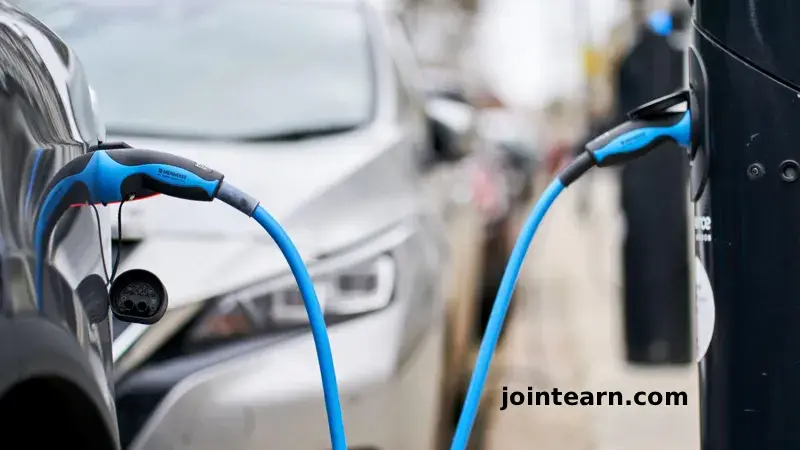
Electric vehicle (EV) drivers in central London are now required to pay the city’s congestion charge for the first time, marking a major policy shift in the capital’s effort to manage traffic and urban air quality.
New Congestion Charge Rules for EVs
From 2 January 2026, all battery-powered electric vehicles and plug-in hybrids entering the central London congestion zone will be subject to a daily fee.
- Standard congestion charge for non-electric vehicles: £18 per day (up from £15, first increase since 2020)
- Discount for pure EVs registered with Auto Pay: 25% off, reducing the daily charge to £13.50
- Discount for electric vans, HGVs, light and heavy quadricycles registered with Auto Pay: 50% (reducing to 25% in 2030)
The congestion zone operates:
- Weekdays: 07:00–18:00
- Weekends and bank holidays: 12:00–18:00
Mayor Sir Sadiq Khan confirmed the changes in November 2025, citing the need to manage increasing traffic while encouraging the adoption of cleaner vehicles.
Why London is Charging EVs
Transport for London (TfL) proposed the EV congestion charge following a rise in EV traffic in central London. Without the changes, an estimated 2,200 additional vehicles would enter the zone on an average weekday in 2026, potentially increasing congestion and undermining traffic management goals.
Christina Calderato, TfL Director of Strategy, explained:
“The changes to the congestion charging scheme play a key role in keeping traffic and congestion under control, while balancing support for drivers, businesses, and organisations making the switch to cleaner vehicles.”
Reactions from Electric Vehicle Drivers
Some EV drivers have expressed frustration at the new charges. Joan Owen, who drives an EV for volunteer work at the NSPCC, said:
“There seems little incentive now to get an electric vehicle. It affects the charity as well, adding an extra layer of administration to claim any reimbursements.”
Critics argue that charging EV drivers could slow the city’s shift toward greener transport and discourage low-emission vehicle adoption.
Future Discounts and Changes
TfL has outlined a phased approach to congestion charge discounts for EVs:
- 2030: Discount for electric vans, HGVs, and quadricycles will reduce to 25%
- 2030: EV discount will drop to 12.5%
- March 2027: New residents applying for the 90% residents’ discount will only be eligible if driving an EV
The goal is to gradually align EV incentives with broader traffic and congestion management strategies while maintaining environmental benefits.
What This Means for London Drivers
Drivers of electric vehicles in London should prepare for:
- Daily costs of driving in central London even with EV discounts
- Potential increases in minicab fares and delivery charges as companies adjust to the new scheme
- Long-term reductions in EV discounts over the next decade
While the move may initially be unpopular, TfL hopes it will encourage off-peak travel, public transport use, and continued adoption of low-emission vehicles.


Leave a Reply