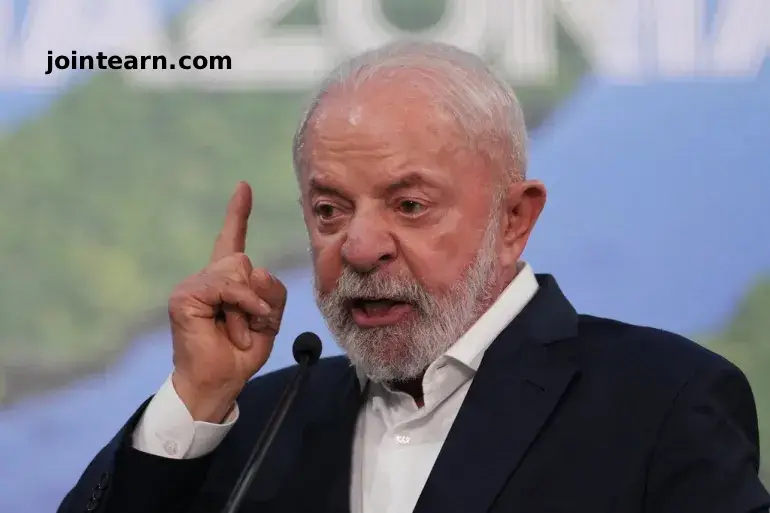
Brazil’s Lula Issues Ultimatum Over EU-Mercosur Trade Pact
Brazilian President Luiz Inacio Lula da Silva has warned that his government may abandon negotiations on the long-delayed EU-Mercosur trade agreement if European Union member states continue to postpone approval of the landmark deal.
Speaking on Wednesday, Lula said the agreement — which would create the world’s largest free-trade zone — had reached a decisive moment after Italy joined France in expressing reluctance to sign the pact in its current form.
“If we don’t do it now, Brazil won’t make any more agreements while I’m president,” Lula told a cabinet meeting.
“We have given in on everything that diplomacy could reasonably concede.”
Historic Trade Deal at Risk After Italy and France Raise Objections
The European Union had been preparing for its 27 member states to approve the deal in time for European Commission President Ursula von der Leyen to travel to Brazil this weekend to formally sign the agreement with Mercosur members Brazil, Argentina, Paraguay and Uruguay.
That timeline was thrown into doubt after Italian Prime Minister Giorgia Meloni said Rome was not yet ready to proceed, echoing earlier opposition from France, which has been seeking stronger protections for its agricultural sector.
“It would be premature to sign the deal in the coming days,” Meloni told Italy’s parliament, saying safeguards demanded by Italian farmers had not yet been finalised.
What the EU-Mercosur Trade Deal Would Do
The agreement, first proposed more than 20 years ago, is seen as strategically important for both blocs amid growing global trade tensions, including rising US tariffs and increasing Chinese economic influence.
If approved, the deal would:
- Expand EU exports of cars, machinery, wine and spirits to South America
- Increase Mercosur exports of beef, sugar, rice, honey and soya beans to Europe
- Create a free-trade zone covering more than 700 million people
Countries such as Germany, Spain and several Nordic states have strongly backed the agreement, viewing it as a test of Europe’s economic relevance and geopolitical credibility.
Macron Says France Will ‘Firmly Oppose’ Rushed Approval
French President Emmanuel Macron reiterated France’s opposition on Wednesday, telling his cabinet that Paris would “firmly oppose” any attempt to force the deal through without stronger protections for farmers.
France has been at the centre of farmer protests, with agricultural unions arguing the agreement would expose EU producers to unfair competition from South American imports produced under looser environmental and labour standards.
Hungary and Poland have also expressed reservations, making it increasingly difficult to secure the required backing within the EU.
Germany Pushes for Year-End Approval
By contrast, German Chancellor Friedrich Merz said the EU must act decisively and pledged to push “intensively” for approval before the end of the year.
Merz described the trade deal as a litmus test of the EU’s ability to act collectively in an increasingly fragmented global economy.
EU Moves to Address Agricultural Concerns
In an attempt to ease resistance, the European Union reached a provisional agreement on Wednesday to strengthen safeguards on agricultural imports.
Under the proposal:
- An investigation could be triggered if imports rise by more than 8 percent per year
- Action could also be taken if prices fall by more than 8 percent in one or more EU countries
The move comes amid sustained pressure from European farmers, who fear the deal could undercut domestic food production.
EU leaders are expected to discuss the issue further at a Brussels summit on Thursday, according to a European Commission spokesperson.
‘Now or Never’ Moment for EU-South America Relations
For Brazil, Lula’s warning signals growing frustration after years of negotiations and concessions. Analysts say walking away would mark a major shift in Brazil’s trade strategy and could push Mercosur members to seek alternative partnerships.
Despite Italy’s insistence that it does not want to block the deal entirely — and Meloni’s claim that approval could still come early next year — Lula’s remarks underscore the fragile state of trust between the two sides.
With diplomatic momentum slipping, the coming days may determine whether the EU-Mercosur agreement finally becomes reality — or joins the list of major global trade deals that collapsed at the finish line.


Leave a Reply