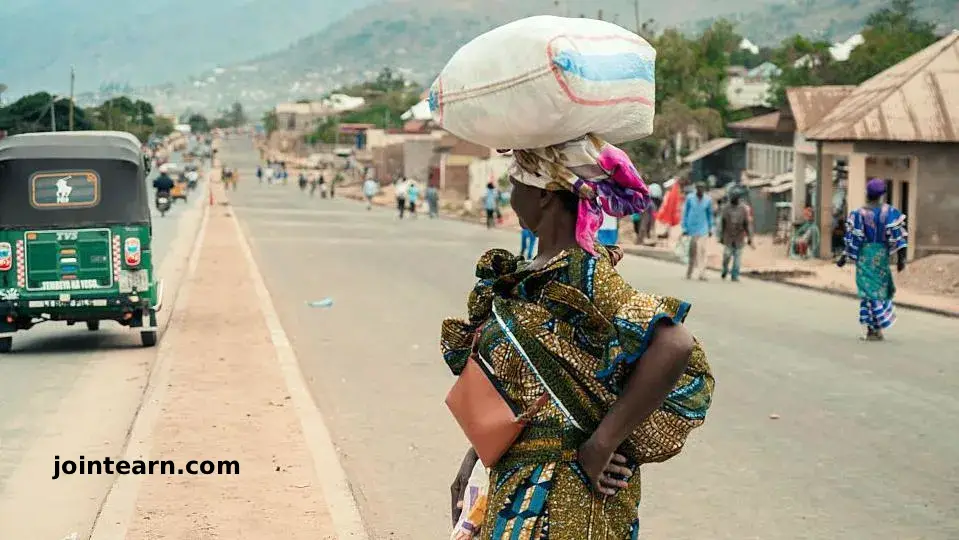
Uvira, DR Congo — Rebel forces from the Rwanda-backed M23 armed group have entered Uvira, the last government-held city in eastern Democratic Republic of Congo (DRC), escalating violence in the mineral-rich region and prompting a mass exodus of civilians into neighboring Burundi. The offensive comes despite a peace agreement brokered last week in Washington by U.S. President Donald Trump between DRC President Félix Tshisekedi and Rwandan President Paul Kagame.
Chaos and Civilian Displacement
Eyewitnesses report heavy artillery and gunfire throughout Uvira as residents describe the situation as chaotic. The UN estimates that more than 200,000 people have fled their homes since the latest round of fighting began earlier this month. Refugees have crossed into Burundi, with Burundian authorities reporting over 30,000 arrivals in one week and thousands more in the last two days alone.
One resident told AFP, “Three bombs have just exploded in the hills. It’s every man for himself. We are all under the beds in Uvira — that’s the reality.” Shops and schools remain closed as civilians take shelter indoors, while some residents reportedly cheered the rebels’ arrival.
Strategic Importance of Uvira
Uvira is a critical port city on the northern tip of Lake Tanganyika, just 27 kilometers (17 miles) from Burundi’s capital, Bujumbura. The city sits in a mineral-rich area that includes valuable deposits of copper, cobalt, and other critical minerals, making it strategically and economically significant for the DRC and the region.
M23 spokesperson Lawrence Kanyuka claimed on social media that the city had been “liberated,” though South Kivu Governor Jean-Jacques Purusi said government forces and allied militias remained in parts of the city. Military sources indicate that rebel forces advanced from the north, near the Burundian border.
Regional Tensions
Burundi has closed its border with the DRC, and Burundian officials warn that the fall of Uvira poses a direct threat to Bujumbura. Burundian Foreign Minister Edouard Bizimana called the M23 advance “a slap in the face… a middle finger” to Washington’s peace efforts. Burundi and DRC forces, along with thousands of Burundian troops deployed in eastern Congo, have attempted to resist the offensive.
The U.S., European Union, and eight European nations have condemned Rwanda for allegedly supporting the rebels, urging an immediate halt to hostilities. A U.S. State Department spokesperson said Rwanda “continues to provide support to M23 [and] must prevent further escalation.” Rwanda denies involvement, accusing DRC and Burundian forces of violating ceasefire agreements and bombing villages near its border.
Historical Context
Eastern DRC has been wracked by conflict for over 30 years, since the 1994 Rwandan genocide. Numerous armed groups, including M23, have vied for control of territory and access to mineral wealth. Previous peace agreements have repeatedly collapsed, highlighting the fragility of regional stability.
President Tshisekedi has accused Rwanda of deliberately undermining the peace accord, calling the conflict “a proxy war aimed at challenging our sovereignty over a highly strategic area, rich in critical minerals and economic potential that is crucial to the future of our nation.”
UN experts warn that Rwanda’s army is in “de facto control of M23 operations,” and the ongoing fighting has raised concerns about a broader regional escalation that could destabilize the Great Lakes region further.


Leave a Reply