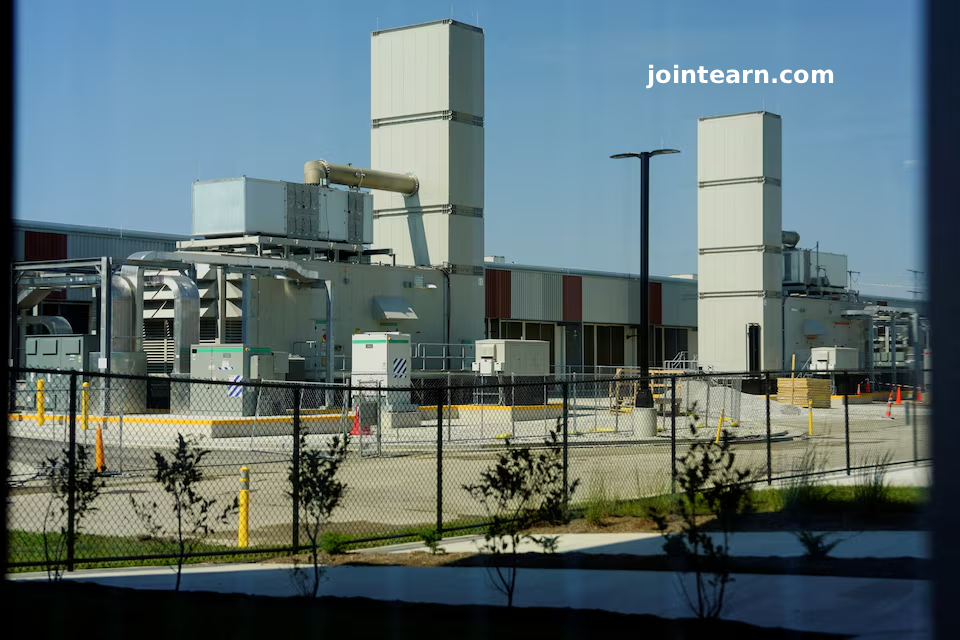
Microsoft has made headlines with a historic carbon credit agreement, purchasing 2.85 million soil carbon credits over the next 12 years from Indigo Carbon, as the tech giant accelerates its commitment to become carbon negative by 2030. The deal, valued between $171 million and $228 million, represents a major step in corporate climate action and highlights the growing role of regenerative agriculture in the voluntary carbon market.
Microsoft’s Push Toward Carbon Negativity
As one of the world’s largest consumers of energy-intensive data center services, Microsoft faces rising carbon emissions linked to surging AI operations and cloud computing infrastructure. To counteract this, the company has doubled down on strategies that remove more carbon from the atmosphere than its global operations emit—a commitment referred to as being carbon negative.
Phillip Goodman, Director of Carbon Removal at Microsoft, emphasized the significance of the partnership:
“Microsoft is excited by Indigo’s approach to regenerative agriculture that delivers measurable results through verified credits and payments to growers.”
This latest deal surpasses Microsoft’s previous record of 2.6 million carbon credits purchased from Agoro Carbon, signaling a rapidly expanding market for verified soil carbon removal projects.
What Are Soil Carbon Credits?
Soil carbon credits are generated through regenerative farming practices, which help capture carbon dioxide from the atmosphere and store it in the soil. Techniques include:
- Reduced tillage and plowing
- Planting cover crops
- Managed livestock grazing
These methods not only sequester carbon, but also improve soil health, enhance water retention, and provide financial benefits to farmers. Indigo Carbon reports that farmers participating in such programs receive 75% of the weighted average cost of a credit for each crop year, creating a strong economic incentive alongside environmental benefits.
How the Deal Works
Microsoft’s agreement with Indigo spans 12 years, with each credit representing one ton of carbon dioxide removed from the atmosphere. The purchase is part of a broader voluntary carbon market, where companies offset their emissions by buying verified credits.
Indigo Carbon facilitates the entire process by:
- Identifying high-potential areas for carbon removal
- Collaborating with farmers to implement regenerative practices
- Issuing verified carbon credits that companies like Microsoft can purchase
Meredith Reisfield, Indigo’s Senior Director for Policy, Partnerships, and Impact, highlighted the importance of this approach:
“It’s bringing the importance of soil carbon removal into corporate climate action, and solidifying our reputation and leadership on high-integrity carbon credits.”
The Role of Carbon Removal in Climate Strategy
Scientists widely agree that carbon removal projects are essential to slowing global warming, particularly for sectors that continue to rely on fossil fuels. By investing in durable carbon removal solutions, companies can offset unavoidable emissions while supporting sustainable land management practices.
However, some critics caution that carbon removal credits must be carefully monitored for accuracy and permanence, warning that overreliance on offsets could distract from direct emissions reductions.
Growing Demand for Soil Carbon Credits
Market analysts, including Sylvera, have noted a significant increase in corporate demand for soil carbon credits, driven by companies seeking measurable, high-quality carbon offsets. Microsoft’s record-breaking deal demonstrates how technology giants are embracing environmental responsibility while balancing growth in energy-intensive operations, such as data centers and AI computing.
Conclusion
Microsoft’s landmark Indigo Carbon agreement represents a pivotal moment in the intersection of technology and sustainable agriculture. By leveraging regenerative farming to achieve its carbon negative 2030 goal, the company sets a precedent for other global corporations aiming to reduce their environmental footprint through verified carbon removal credits.


Leave a Reply