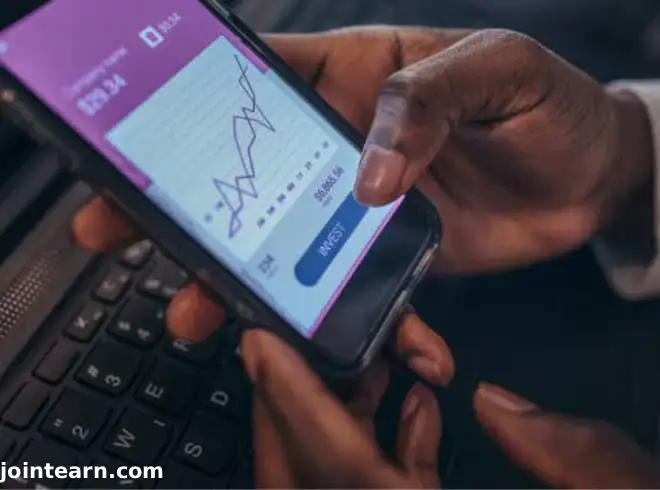
Mobile trading in Nigeria is no longer just for tech enthusiasts. It is becoming a cultural phenomenon, merging convenience with ambition and giving a new generation of Nigerians practical access to global financial markets. This shift has created a trading environment defined by mobility and a growing desire for financial autonomy.
A New Generation Driven by Accessibility
The surge in mobile forex trading begins with something simple: smartphones. Young Nigerians rely on their devices for work, entertainment, and banking, making trading a natural extension of daily life.
Instead of waiting to access a desktop platform, traders can now open apps while commuting or attending to daily tasks—an opportunity that was unimaginable just a decade ago. Lower data costs and wider mobile network coverage further enable traders to stay connected during volatile market periods, boosting confidence and fostering a sense of readiness to act on market movements with just a few taps.
Apps That Simplify the Learning Curve
Forex trading has long been seen as complex, but mobile apps are lowering that barrier. Many platforms now provide real-time charts, copy-trading features, and built-in educational tools, making it easier for beginners to follow strategies and experiment with small trades.
User-friendly platforms also foster active communities where traders share insights, analyze losses, and learn collaboratively. Learning no longer occurs in isolation; it happens in digital spaces that normalize trading as part of everyday life.
Flexibility That Fits Modern Lifestyles
The greatest advantage of mobile trading is its adaptability. Nigerian traders can seize opportunities without restructuring their day. This flexibility is particularly important in a country where many individuals juggle multiple income streams.
Young traders treat trading as fluid, switching between apps throughout the day and using alerts to guide decisions instead of committing to lengthy analysis sessions. This lifestyle-oriented approach to trading integrates seamlessly into modern routines rather than competing with them.
Driving a More Independent Financial Culture
Mobile trading is also shaping a broader cultural shift. More Nigerians are exploring financial independence and alternative income streams outside traditional employment. Forex trading provides quick access to global markets and a sense of control over one’s financial decisions.
While risks remain and proper education is crucial, the rise of mobile FX trading is undeniable. Smartphones are redefining how Nigerians engage with money, creating a trading culture that is agile, connected, and increasingly self-directed.


Leave a Reply