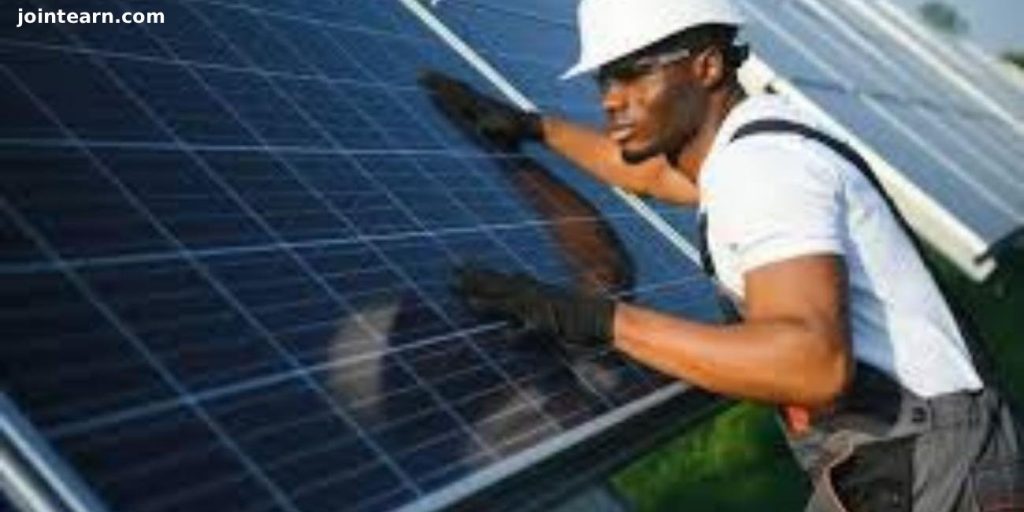
Despite campaign promises by President Bola Tinubu to provide Nigerians with reliable electricity, several government agencies are allocating large sums in the 2026 budget for alternative power sources such as solar panels and generators.
The move reflects ongoing challenges in the country’s power supply and highlights a growing reliance on self-generated electricity to maintain operations.
Major Federal Agency Allocations for 2026:
- Police Academy Wudil: N700 million for solar installations at cadet hostels, administrative blocks, and the Senate building.
- Office of the Auditor-General of the Federation: N225 million for solar panels and inverter systems.
- Office of the Head of Civil Service of the Federation: N700 million for power generating sets.
- National Identity Management Commission (NIMC): N1.8 billion for generators to ensure uninterrupted electricity at HQ and 36 state offices.
- Federal Road Safety Corps: N66.1 million for solar energy in three zonal commands.
- Police Service Commission: N59.5 million for solar energy.
- Nigeria Security and Civil Defence Corps: N147 million for the second phase of solar power installation at headquarters.
Solarisation of the Presidential Villa:
The Presidential Villa is set to receive N7 billion for a solar mini-grid in 2026, following a N10 billion solarisation project in 2025. Presidential spokesperson Bayo Onanuga defended the initiative, noting that it aligns with global practices, such as the White House’s use of solar energy to power key facilities.
State Governments Follow Suit:
In Kano State, the 2026 budget includes N2 billion for the upkeep and servicing of generators across government offices, demonstrating that reliance on backup power is not limited to the federal level.
Public Reaction:
Critics argue that the spending on solar projects and generators, especially for high-profile government buildings, underscores the government’s failure to deliver stable electricity to the general population. Many Nigerians see the investments as disproportionate, given the ongoing energy challenges faced by ordinary citizens.


Leave a Reply