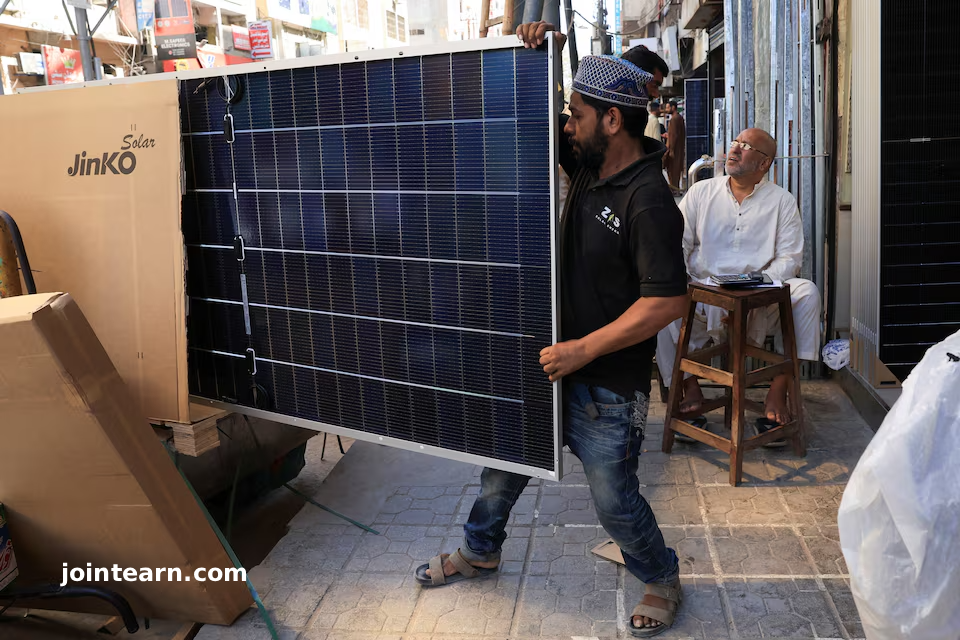
Pakistan is on the verge of a major solar milestone. According to Aisha Moriani, Secretary of Pakistan’s Climate Change Ministry, rooftop solar generation in the country is projected to exceed grid-based electricity demand during daytime hours in several major industrial regions by next year. This unprecedented shift underscores the rapid adoption of renewable energy in Pakistan and its impact on power markets, utility finances, and climate goals.
Record Boom in Rooftop Solar Installations
Over the past few years, Pakistan has witnessed a record surge in rooftop solar panel installations, fueled by increasing electricity prices, frequent power outages, and rising environmental awareness. The proliferation of solar systems has resulted in:
- Reduced household and industrial power bills
- Lower carbon emissions contributing to climate targets
- Disruptions for debt-laden utilities facing declining demand for grid electricity
“Pakistan will experience negative grid-linked demand during certain daytime hours because behind-the-meter solar is offsetting grid consumption completely,” Moriani told Reuters during the COP30 climate conference in Brazil.
Negative Grid Demand: A First for Emerging Markets
While negative electricity demand—where solar output surpasses grid consumption—has been observed in Europe and Australia, Pakistan’s experience would be among the first in a major emerging market.
Key cities expected to experience negative grid demand include:
- Lahore – highest solar penetration
- Faisalabad – industrial adoption driving demand
- Sialkot – commercial and industrial solar users
These cities are seeing solar adoption at unprecedented rates, particularly in industrial areas, which can fully offset daytime grid electricity usage.
Factors Driving Solar Adoption in Pakistan
Several domestic factors have accelerated Pakistan’s transition to solar power:
- Frequent Power Cuts – Encouraging homes and businesses to seek energy independence
- Rising Electricity Tariffs – Making rooftop solar financially attractive
- Global Supply Accessibility – Pakistan has become the world’s third-largest importer of solar panels, surpassing even China in per-capita solar capacity growth
Moriani noted that negative-demand events are most likely during:
- Bright summer afternoons
- Industrial holidays
- Moderate temperature days with high solar output
Impact on Utilities and Energy Markets
While rooftop solar benefits consumers, it presents challenges for traditional utilities:
- Revenue decline due to lower grid electricity consumption
- Need for tariff adjustments to ensure grid maintenance costs are shared fairly among solar users
The Pakistani government is considering new tariffs and fee structures for large solar users to balance the financial sustainability of the electricity grid.
Implications for Natural Gas Imports
The surge in solar adoption is also reshaping Pakistan’s natural gas strategy. The country has renegotiated LNG contracts with Qatar and canceled shipments from Italy’s Eni. Goals include:
- Achieving lower gas prices
- Securing flexible delivery schedules
- Reducing unnecessary cargoes to align with solar adoption trends
Moriani emphasized that Pakistan aims for energy stability and affordability rather than an expansion of LNG dependency.
Outlook for Pakistan’s Energy Sector
Despite slower grid-linked demand growth this year (3–4%), increased solar adoption is expected to further influence consumption patterns. The government faces the dual challenge of accelerating renewable energy growth while ensuring grid reliability and financial sustainability.
“Pakistan’s challenge is not whether renewable energy will grow, it is how fast the grid, regulation, and market design can evolve to keep pace,” said Moriani.
Conclusion
Pakistan is entering a transformative phase in its energy sector, with rooftop solar potentially exceeding grid demand in major hubs by 2026. This development demonstrates the rapid adoption of renewable energy, the economic benefits for consumers, and the need for policy and market adjustments to balance growth with grid stability.


Leave a Reply