Poland announced it will shut its final Russian consulate in Gdansk following a sabotage attack on a railway line to Ukraine, accusing Moscow of orchestrating the incident.
“I have decided to withdraw consent for the operation of the Russian consulate in Gdansk,” said Polish Foreign Minister Radoslaw Sikorski on November 19, 2025.
The move leaves only the Russian embassy in Warsaw operational in Poland. Sikorski added that Moscow had been repeatedly warned that further hostile actions would trigger reductions in its diplomatic and consular presence.
Poland Labels Attack as ‘Unprecedented Sabotage’
Polish Prime Minister Donald Tusk called the weekend explosion on the Warsaw-to-Ukraine railway line an “unprecedented act of sabotage”.
- Two suspects allegedly collaborated with Russian secret services over an extended period.
- Their identities are known to Polish authorities, but details remain confidential due to the ongoing investigation.
- Both suspects reportedly fled Poland into Belarus.
Western officials have accused Russia and its proxies of carrying out dozens of attacks and sabotage operations across Europe since the start of its invasion of Ukraine over three years ago. These acts are seen as attempts to undermine support for Ukraine, spread fear, and divide European societies.
Russia Condemns Poland, Promises Retaliation
The Kremlin criticized Poland’s decision, accusing Warsaw of “Russophobia” and saying the move reflects deteriorating bilateral relations.
- Kremlin spokesman Dmitry Peskov said: “Relations with Poland have completely deteriorated… one can only express regret here. This has nothing to do with common sense.”
- Russian Foreign Ministry spokeswoman Maria Zakharova confirmed Moscow will reduce Poland’s diplomatic and consular presence in retaliation.
Diplomatic Tensions Escalate
This closure marks the latest escalation in Polish-Russian relations amid the ongoing war in Ukraine. Poland has been a major supporter of Kyiv, and the consulate closure underscores rising tensions between the two countries over security and regional stability.
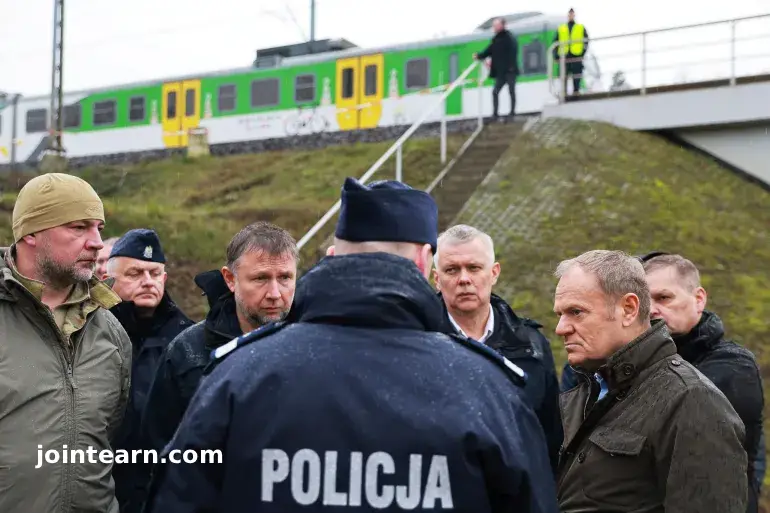
Prime Minister Tusk visited the site of the sabotage near Deblin, Poland, earlier this week to assess the damage and reaffirm Poland’s commitment to protecting critical infrastructure.


Leave a Reply