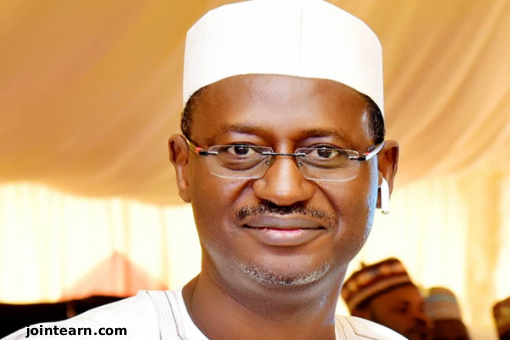
The Minister of Housing and Urban Development, Arch. Ahmed Musa Dangiwa, alongside the President of the Nigerian Institute of Quantity Surveyors (NIQS), Kene Nzekwe, has underscored the critical role of quantity surveyors in Nigeria’s construction sector.
Speaking at the NIQS conference over the weekend, themed “Rebuilding Nigeria: Enhancing National Development through Fiscal Reforms, Infrastructure Planning, and the New Governance Imperative”, both leaders highlighted how the profession fosters transparency, accountability, and efficiency amid ongoing fiscal and governance reforms.
Nzekwe described the timing of the conference as “crucial” given Nigeria’s economic challenges, infrastructure gaps, and governance pressures. He stressed that quantity surveyors are “custodians of efficiency who ensure projects are delivered on time, within budget, and to the highest standards of quality,” adding that their skills directly support economic growth, improved living standards, and value for public spending.
Commending recent government reforms, Nzekwe said, “A cleaner tax system is expected to generate more funds for infrastructure development, and quantity surveyors sit at the centre of ensuring those funds deliver tangible results.”
Minister Dangiwa echoed this view, noting that fiscal reforms and rising infrastructure demands place quantity surveyors at the heart of national development. “Together, we can strengthen a construction industry built on transparency, a housing system anchored in affordability and accountability, and an infrastructure landscape that meets global standards and Nigeria’s aspirations,” he said.
He emphasized that public expectations for accountability are increasing, and quantity surveyors provide structure to budgets, credibility to contracts, and confidence in project delivery. Their expertise in cost estimation, contract management, procurement oversight, and value engineering positions them as central actors in Nigeria’s development agenda.


Leave a Reply