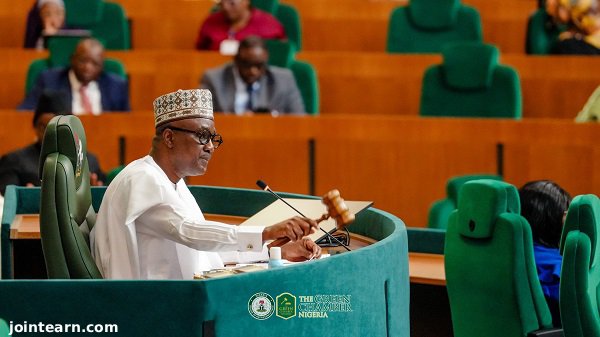
The House of Representatives has called for urgent, coordinated efforts to tackle the country’s persistent insecurity, emphasizing the need for a holistic approach and stronger collaboration among all stakeholders.
House Speaker Tajudeen Abbas, speaking in Abuja, warned that recent attacks across Nigeria were deliberately designed to instill fear, destabilize communities, and undermine public confidence. He urged lawmakers and citizens alike to remain steadfast and united in confronting these threats.
“The last few weeks have been difficult. Communities have suffered severe attacks, including killings and multiple abductions targeting civilians, security personnel, and vulnerable groups,” Abbas said.
Highlighting specific incidents, the Speaker mentioned the abduction of students in Niger State, attacks on worshippers in Kwara State, and violent incidents in Kebbi State, stressing the scale and coordination of the threats. He commended security forces for their swift response and noted that the President had postponed his G20 trip to address the situation directly.
Abbas praised the courage of security personnel, acknowledging those who sacrificed their lives in the line of duty, and reaffirmed the House’s support for all lawful measures to restore safety.
“These attacks are coordinated and focus on soft targets. Their purpose is to instill fear and give the impression that violent groups can act without restraint. Nigeria must reject this tactic,” he said.
The Speaker also highlighted the threat posed by misinformation, warning that false claims and unverified social media content can escalate tension, panic, and distrust in institutions.
Abbas outlined the progress made under President Bola Ahmed Tinubu’s administration, including the release of thousands of captives, elimination of high-ranking violent commanders, and return of displaced persons, while acknowledging that certain forms of violence are resurfacing due to domestic and transnational factors, such as instability in the Sahel region.
He addressed international concerns, specifically the Religious Freedom Accountability Act of 2025 in the U.S., clarifying that Nigeria does not sponsor violence against its citizens and emphasizing that terrorism, banditry, and communal clashes affect Nigerians of all faiths.
“We welcome partnership and constructive engagement, but we cannot accept conclusions that oversimplify the complexities of our security challenges,” Abbas said, noting ongoing cooperation with the U.S. on intelligence sharing, counterterrorism training, and surveillance.
The Speaker stressed that the debate was not meant to assign blame or attack any government official, but to provide a constructive assessment of security challenges and to support the President’s efforts.
“This is not a party affair but a national discourse. Our contributions must strengthen Nigeria’s collective response. Above all, our conduct must show that these acts of violence will not weaken our resolve or undermine our unity,” Abbas concluded.


Leave a Reply