Sudan’s paramilitary Rapid Support Forces (RSF) has accused the Sudanese Armed Forces (SAF) of striking a key border town near Chad, a move that threatens a crucial humanitarian corridor amid the country’s ongoing civil war, now in its third year.
The RSF claims that Turkish-made Akanji drones were deployed in the attack at the Adre border crossing, which has served as a vital gateway for both humanitarian aid and civilians fleeing the violence.
Vital Border Crossing Under Attack
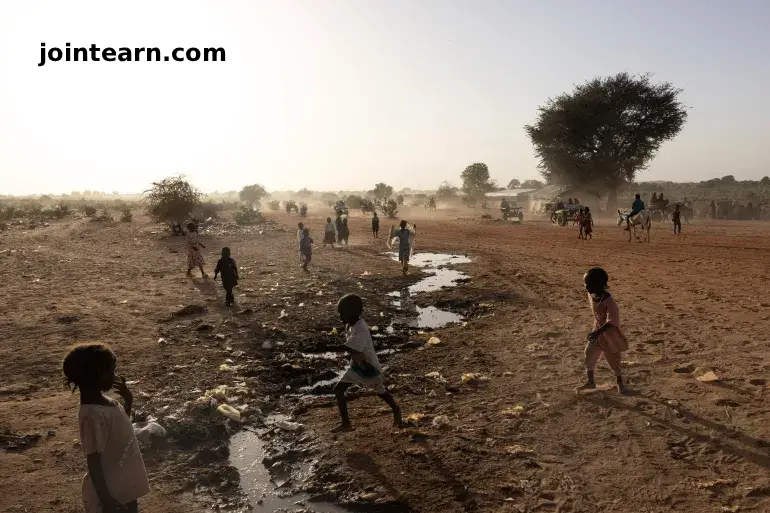
The Adre crossing is one of the main lifelines connecting Sudan to Chad. Thousands of Sudanese have relied on this route to escape escalating violence, while aid organizations have used it to deliver food, medical supplies, and essential goods.
The RSF stated that the attack specifically targeted the Adikon Gate, calling the strike “deliberate” and aimed at obstructing humanitarian relief efforts, worsening the suffering of civilians caught in the conflict. Footage from the incident showed plumes of smoke and rolling fire as local residents looked on.
Allegations of International Inaction
In a Telegram statement, the RSF condemned what it described as international silence, claiming that the lack of global response emboldens the SAF to continue attacks on civilians and humanitarian infrastructure.
No official statement has been issued by the Sudanese army in response to the allegations, and there are no confirmed reports of casualties or the extent of damage from the bombing.
Broader Context of Violence in Sudan
The RSF itself has been accused of widespread atrocities in Sudan, including attacks on civilians and humanitarian sites. Most recently, an RSF strike on a kindergarten in Kalogi, South Kordofan, killed approximately 47 people—mostly children—and injured around 50 others, according to SAF military sources.
The SAF has also faced accusations of war crimes during the ongoing conflict. The overall death toll in Sudan remains uncertain, but United Nations estimates suggest it exceeds 100,000 fatalities, with nearly 12 million people displaced and more than 24 million facing acute hunger.
Stalled Peace Efforts
While the RSF declared a unilateral ceasefire, attacks have continued across the country, preventing meaningful progress in peace negotiations. The SAF has called on the paramilitary group to withdraw from territories it occupies, but both sides remain entrenched in violence.
United States President Donald Trump has stated that his administration intends to lead efforts to end the conflict, yet diplomatic efforts have so far failed to achieve a resolution.
Humanitarian and Regional Impact
The attack on the Adre border crossing threatens not only Sudanese civilians but also regional stability. Chad has been a key host for refugees fleeing Sudan, providing transit camps and humanitarian assistance. Any disruption to this corridor could exacerbate the ongoing refugee crisis and hinder aid delivery at a time of urgent need.
The RSF’s statement underscores the vulnerability of Sudan’s humanitarian infrastructure in the context of a protracted civil war, highlighting the ongoing dangers faced by millions of displaced and food-insecure Sudanese.
Conclusion
The reported attack near the Chad-Sudan border marks a troubling escalation in the country’s civil war, threatening vital aid routes and raising questions about international accountability. With millions displaced, widespread hunger, and ongoing hostilities, the Sudanese humanitarian crisis continues to deepen, demanding urgent global attention.


Leave a Reply