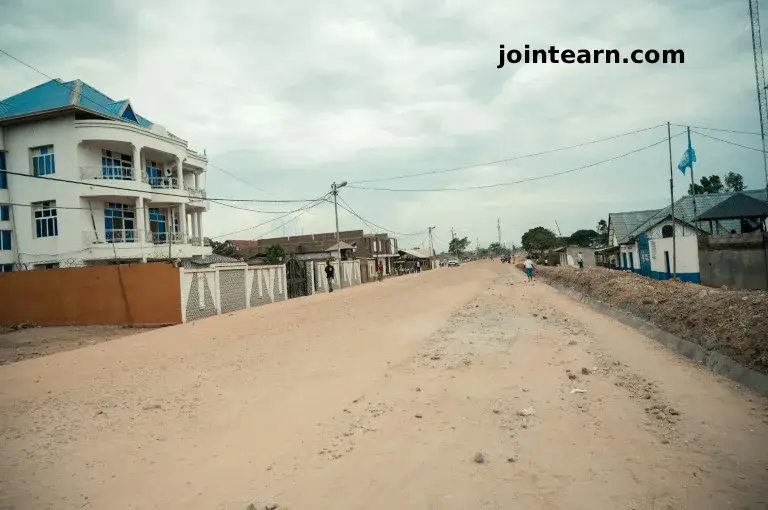
Uvira, DR Congo — The Rwanda-backed M23 militia has seized control of significant parts of the strategic eastern Congolese city of Uvira, heightening tensions in the Great Lakes region and undermining a U.S.-brokered peace deal signed just days earlier. The militia’s advance has forced thousands of civilians to flee, with neighboring Burundi declaring parts of its border a “military zone” in response to the threat.
M23 Takes Control of Uvira
Eyewitnesses and local officials confirmed that M23 fighters had entered Uvira late on Tuesday, gaining control over the provincial governor’s headquarters, city hall, and the border with Burundi. Footage verified by AFP shows M23 tanks patrolling the city streets, while residents describe an atmosphere of panic as soldiers abandoned their posts and shops shuttered.
Burundi’s Foreign Minister Edouard Bizimana described the takeover as a “middle finger” to the United States following the signing of a peace agreement in Washington between DRC President Félix Tshisekedi and Rwandan President Paul Kagame. “Signing an agreement and not implementing it is a humiliation for everyone, and first and foremost for President Trump,” Bizimana said.
Regional and Humanitarian Implications
The latest offensive, launched on December 1, involved fighting between M23, the Congolese army, and Burundian-backed allied forces. The fighting has displaced over 40,000 Congolese to Burundi and more than 200,000 within South Kivu province, according to UN humanitarian agency OCHA. Many residents report being trapped in their homes as panic spreads.
Uvira’s proximity to Burundi — just 20 kilometers across Lake Tanganyika from the Burundian capital Bujumbura — has led to heightened security measures. Burundi has closed its main border posts with DR Congo, and M23 has reportedly secured the Congolese side of the border.
Strategic and Economic Stakes
The capture of Uvira represents a critical strategic and economic blow to the Congolese government. The city lies near mineral-rich regions in South Kivu and the copper- and cobalt-producing Katanga province, vital to DRC’s economy and global supply chains for critical minerals. The U.S. sees the region as key to securing supplies of minerals necessary for technology and defense industries, particularly as it seeks to counter China’s dominance in these markets.
M23 reportedly commands up to 7,000 Rwandan troops, according to UN experts, although Rwanda denies direct military support. Burundi, wary of a wider conflict, has deployed approximately 18,000 soldiers to eastern DR Congo. The ongoing ethnic tensions stemming from the 1994 Rwandan genocide add complexity to the regional dynamics, with Rwanda citing security concerns regarding Hutu militias in eastern DR Congo.
International Reactions
The United States and European powers have urged M23 to halt its offensive immediately and called on Rwanda to withdraw forces from eastern DR Congo. The rapid advance of the militia, however, casts doubt on the efficacy of the peace deal signed in Washington, which was intended to stabilize the region and facilitate U.S. access to critical minerals.
Local civilians report widespread fear and uncertainty. One resident told AFP, “The residents are locked inside their homes. We can’t remain without an army or police, and we don’t know who is in charge now.”
Broader Implications
The M23’s capture of Uvira underscores the fragility of peace agreements in the Great Lakes region, where longstanding ethnic tensions, competition for mineral wealth, and regional geopolitics intersect. Analysts warn that unless a robust international and regional response is coordinated, the conflict could escalate further, threatening stability across eastern DR Congo, Rwanda, and Burundi.


Leave a Reply