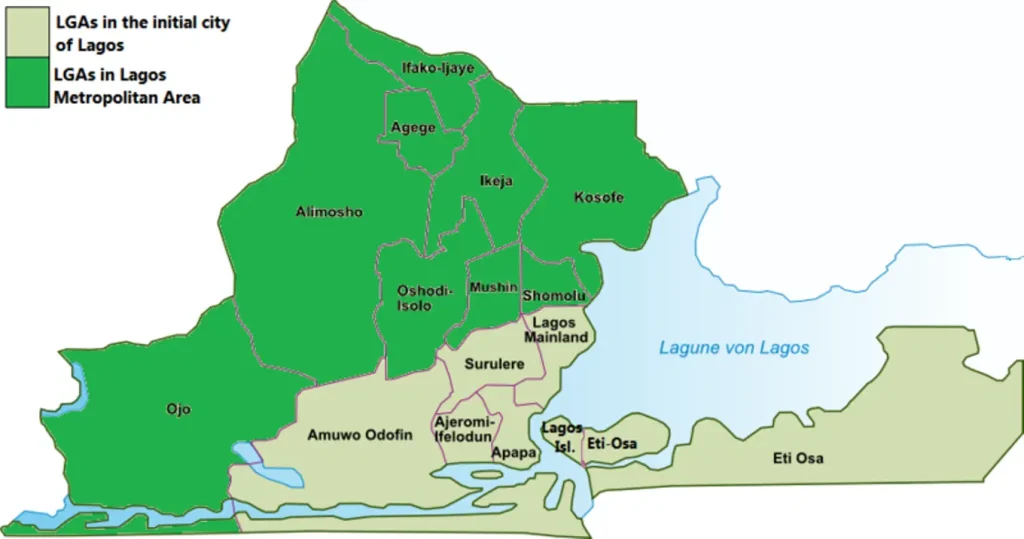
The Nigerian Senate has launched a comprehensive investigation into a lead-poisoning crisis in Ogijo, a community spanning Lagos and Ogun East Senatorial Districts. The contamination, traced to used lead-acid battery recycling factories, has exposed children, women, and workers to toxic emissions, with lead levels up to 186 times international safety limits.
Key Actions and Resolutions:
- Ministers summoned: Environment, Health, Solid Minerals, Labour & Employment, and NESREA Director-General to brief the Senate Committee on Environment and Solid Minerals.
- Medical interventions: Emergency teams from NCDC to conduct blood-lead testing, chelation therapy, and long-term treatment for victims.
- Environmental remediation: Soil, water, air, and household dust contamination to be mapped and cleaned by the Ministry of Environment and NESREA.
- Regulatory enforcement: Nationwide monitoring of battery recycling and lead-processing standards by the Ministry of Solid Minerals.
- Support for affected families: NEMA to provide emergency relief, temporary relocation, and create a National Lead Poisoning Response and Remediation office.
- Senate oversight: Committee on Legislative Compliance to ensure full implementation within six weeks.
Impact:
- Residents reported headaches, abdominal pain, seizures, memory loss, and cognitive decline.
- Contaminated lead has entered global supply chains, highlighting both local and international risks.
- Federal action so far includes shutting down seven recycling factories and suspending lead exports, but exposure continues due to weak enforcement.
Senators emphasized that the situation is both a public health and constitutional issue, with toxic industries operating with impunity, turning Nigerian communities like Ogijo into “sacrifice zones”.
The motion was supported by a majority voice vote, and the Committee on Legislative Compliance is to report back within two months.


Leave a Reply