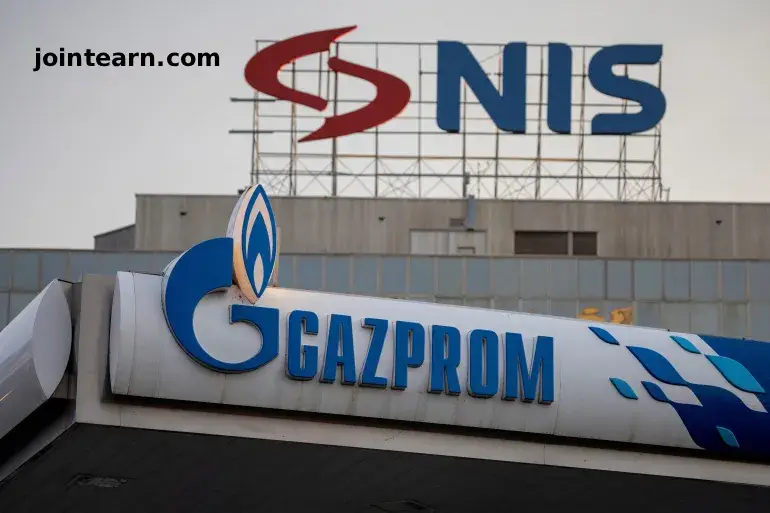
Serbian President Aleksandar Vucic warns of potential refinery shutdown as US sanctions disrupt crude supply and energy security.
Serbia’s only oil refinery, located in Pancevo, is facing an imminent shutdown unless urgent action is taken to address the fallout from US sanctions targeting Russian-owned energy assets. President Aleksandar Vucic revealed that if the sanctions are not lifted, the facility could cease operations within four days, putting the country’s fuel supply and economy at significant risk.
US Sanctions Hit Serbia’s NIS Oil Company
The Petroleum Industry of Serbia (NIS), majority-owned by Russian energy giants Gazprom and Gazprom Neft, has been directly affected by US sanctions imposed in October 2025. These sanctions are part of broader measures targeting Russian companies in response to the ongoing conflict in Ukraine.
President Vucic emphasized that the Serbian state has given the Russian stakeholders 50 days to sell their shares, totaling 56.2 percent of NIS, or face potential state takeover. “We are left in an increasingly difficult position with no easy solutions,” Vucic said, underlining the delicate balance Serbia faces between maintaining relations with Moscow and complying with international sanctions.
Pancevo Refinery on ‘Hot Standby’
While the Pancevo refinery has not yet fully shut down, it is currently operating at reduced capacity. NIS has placed the refinery on a “hot standby” mode, allowing it to restart operations once crude oil supplies resume.
According to NIS, “The domestic market continues to receive petroleum products without interruption, thanks to previously secured stocks.” However, a prolonged shutdown would halt production of petrol, diesel, and jet fuel, potentially straining Serbia’s economy and impacting energy security, especially during the winter months.
Economic and Energy Implications
Serbia relies heavily on the Pancevo refinery for domestic fuel supply. A total halt in operations could affect transportation, electricity production, and broader economic stability. Vucic warned that US sanctions on Russian companies ultimately affect Serbia, stating:
“When you impose sanctions against Russia and its companies, they end up hitting our country.”
In addition, the Croatian JANAF pipeline halted crude deliveries to Pancevo after sanctions came into effect, forcing Serbia to explore alternative fuel supply sources. Banks have also stopped processing NIS payments, while the Serbian central bank announced it would block transactions if the company’s operating license is not extended.
Ownership Structure of NIS
- Gazprom Neft: 44.9%
- Gazprom: 11.3%
- Serbian government: 29.9%
- Other shareholders: Remaining percentage
The US Treasury’s Office of Foreign Assets Control (OFAC) mandated Russian divestment from NIS, giving the owners until February 13, 2026, to find a buyer. Serbia’s government is weighing the difficult decision of possibly seizing Russian assets to prevent disruption in domestic fuel supply.
Serbia’s Strategic Dilemma
President Vucic, known for his close ties to Moscow, faces a tricky geopolitical challenge. On one hand, maintaining Russian relations is politically sensitive; on the other, Serbia must safeguard its energy infrastructure and economic stability.
Experts warn that any prolonged disruption at Pancevo could escalate fuel prices in Serbia and across the Balkans, while prompting urgent diplomatic negotiations with both the US and Russia.
As winter approaches, Serbia’s energy security, economic stability, and international relations hang in the balance, with the Pancevo refinery at the center of the crisis.


Leave a Reply