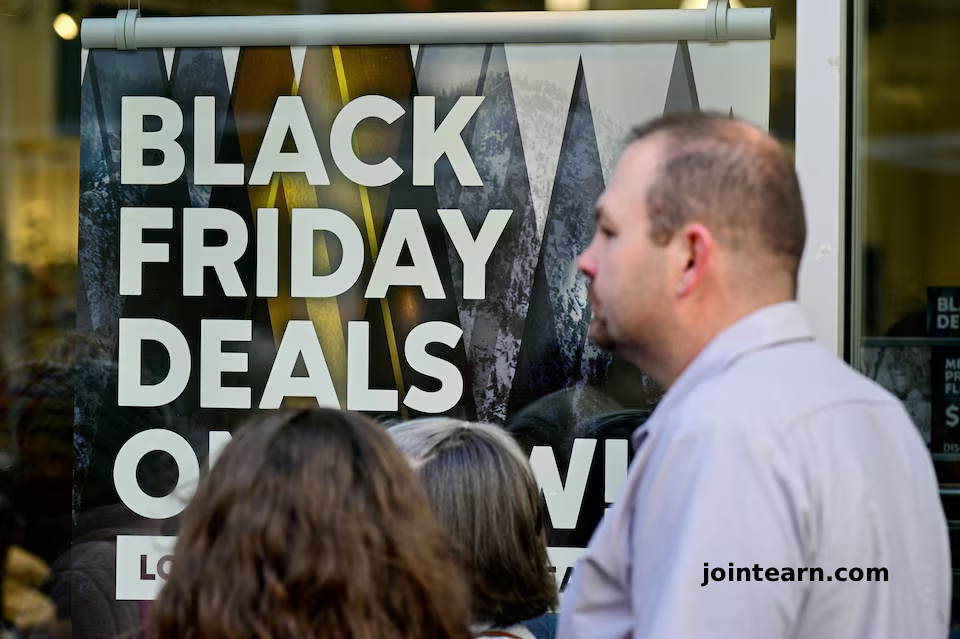
NEW YORK, November 26, 2025 – Small U.S. retailers are facing unprecedented holiday supply chain disruptions as lingering effects of former President Donald Trump’s tariffs on Chinese goods continue to strain inventory and production timelines. For brands like Loftie, a New York-based sleep wellness company, the end-of-year rush has turned chaotic, threatening sales during the critical Black Friday and holiday season.
Tariffs Force Difficult Decisions
Loftie sources its sunrise lamps and phone-free alarm clocks from China. When tariffs were initially threatened to rise as high as 180% in mid-April 2025, founder Matt Hassett explored relocating production to Thailand to avoid steep levies. However, when Chinese tariffs were later reduced to 20%, the alternative factories’ higher production costs proved even more expensive than the tariffs, forcing Hassett to stick with his Chinese supplier.
“Ideally, we would have had full inventory, but we are operating at roughly 10% of what we need for the season,” Hassett said, underscoring the challenges for small retailers navigating tariff uncertainty.
Smaller Retailers Hit Harder Than Big-Box Chains
While small companies like Loftie and Lo & Sons scramble to manage supply, major retailers such as Walmart and Costco are better equipped to absorb disruptions due to their scale. According to RapidRatings, small retailers with total assets under $50 million have seen operating margins fall to negative 20.7%, with 36% facing high bankruptcy risk, compared to just 12% of large retailers.
The combination of tariffs, rising costs, and uncertain supply lines has forced some businesses to cut jobs, trim product lines, and reduce orders, even as the holiday period typically accounts for one-third of annual profits for U.S. retailers.
Case Studies in Supply Challenges
- Lo & Sons, an online travel bag retailer, scouted up to eight factories in India, Cambodia, and other countries before returning to its longtime Chinese supplier. CEO Derek Lo said, “The uncertainty prevented us from placing purchase orders, leaving us with lower-than-ideal inventory.”
- Haus of Brilliance, a New York jewelry brand, shifted part of production to Thailand and the U.S. to offset 50% tariffs on Indian goods, yet still expects holiday shortages and disruptions into next year.
Even for brands that manage to get shipments in time for Black Friday, the lost sales opportunities are significant. Hassett of Loftie estimates that the company could have earned 50% more if inventory levels were sufficient.
Broader Implications for the U.S. Retail Market
Experts say that supply-chain disruptions, coupled with higher costs and fragile consumer confidence, could have long-lasting effects on smaller U.S. retailers. Many are now forced to make difficult strategic decisions, from consolidating product offerings to workforce reductions, just to survive the holiday season.
Industry observers warn that without policy stability and clearer trade guidelines, small U.S. retailers will continue to face heightened financial pressure and competitive disadvantages compared to large retail giants capable of absorbing shocks and leveraging global supply chains.


Leave a Reply