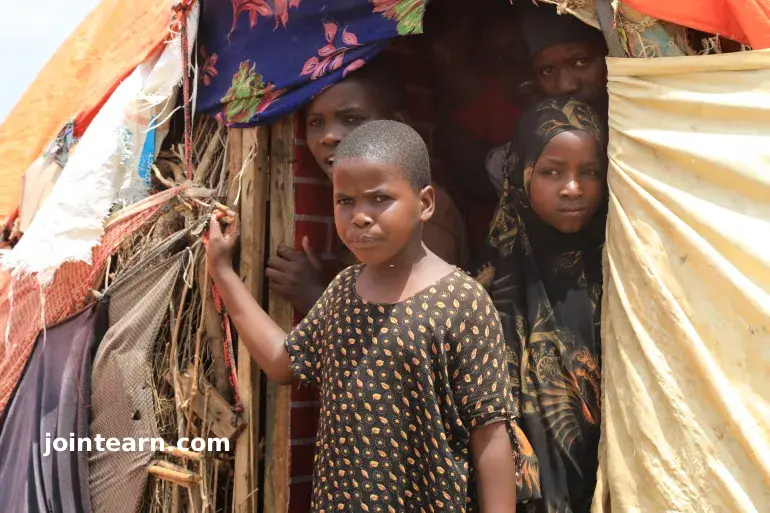
Somalia is confronting a deepening health and nutrition crisis as consecutive failed rainy seasons, soaring water prices, and dramatic cuts to humanitarian aid fuel rising child malnutrition and outbreaks of preventable diseases, according to Doctors Without Borders (MSF).
Aid workers report growing numbers of severely malnourished or seriously ill children arriving at overcrowded internally displaced persons (IDP) camps across the country.
“We are seeing children arriving at our hospitals in critical condition, often after travelling for days without food or water,” said Allara Ali, MSF’s project coordinator in Somalia.
Drought, Failed Rains, and Humanitarian Funding Cuts
Somalia’s government declared a drought emergency in November 2025, after four consecutive failed rainy seasons. Yet aid agencies warn that funding levels have dropped to their lowest in a decade, leaving millions of families without support.
“The drought has not only dried up wells but also the support systems families rely on,” Ali added.
The crisis has been compounded by soaring water costs. In displacement camps in Baidoa and Mudug, a 200-litre (53-gallon) water barrel sells for $2.50–$4, placing clean water beyond the reach of many families.
“Hunger and lack of clean water are making everything worse,” said Kaltuma Kerow, a mother of eight living in a Baidoa camp.
Rising Malnutrition and Disease Outbreaks
MSF reports a dramatic surge in severe acute malnutrition and preventable diseases:
- In Baidoa, admissions for severe acute malnutrition rose 48% in October 2025 compared with the previous month.
- 189 children were treated for suspected measles, with 95% never vaccinated.
- In Mudug, inpatient therapeutic feeding centres saw a 35% increase in admissions.
Children are also presenting with acute watery diarrhoea, diphtheria, and other preventable illnesses, highlighting critical gaps in nutrition, vaccination, and healthcare access.
Displacement Crisis Exacerbates Vulnerability
Somalia, ranked among the world’s most climate-vulnerable nations, has been repeatedly hit by droughts, floods, and conflict. UN assessments warned that by late 2025:
- 4.4 million people faced crisis-level or worse food insecurity
- 1.85 million children under five were at risk of acute malnutrition
Over 3.3 million people have been forced from their homes, many crowding into IDP camps in Baidoa and Mudug, where sanitation and water access remain critically low.
MSF’s Emergency Response
In response to urgent needs, MSF launched emergency water trucking operations in Baidoa in December 2025, delivering over 6 million litres (1.6 million gallons) of safe drinking water to 17 sites, alongside water bladders and solar lighting.
Yet aid workers stress that these measures are insufficient to meet the scale of the crisis, especially as Somalia’s harsh dry season takes hold.
“This situation is unacceptable because it is predictable and largely preventable,” said Elshafie Mohamed, MSF’s country representative.
“The current humanitarian response is leaving millions without access to basic healthcare, food, or water.”
Urgent Calls for Action
MSF is urging donors, authorities, and international agencies to:
- Scale up nutrition programs and therapeutic feeding centres
- Expand vaccination campaigns to prevent measles, diphtheria, and other preventable diseases
- Invest in climate-resilient water infrastructure for displaced populations
- Ensure sustained access to essential healthcare in camps and rural areas
Without a coordinated, multi-sector response, aid organisations warn that preventable deaths will continue to rise in the coming months.


Leave a Reply