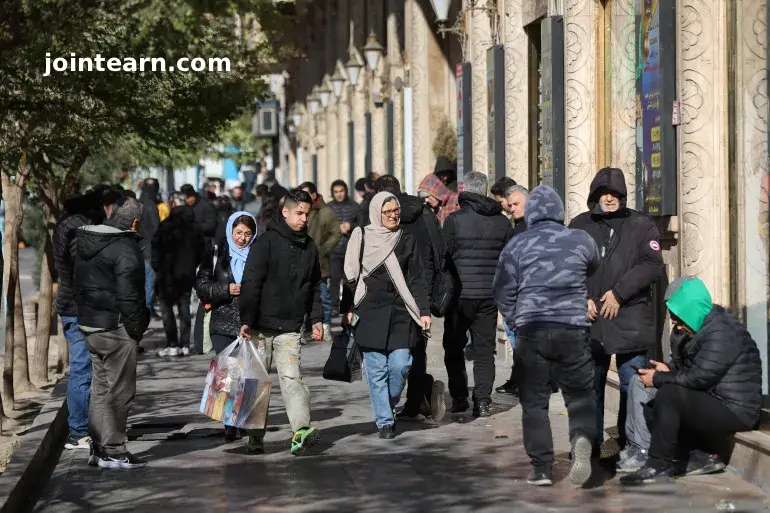
Sporadic protests have broken out in Tehran and other Iranian cities, initially sparked by economic grievances but increasingly taking on political dimensions. The unrest comes as citizens respond to worsening financial conditions and express frustration with government policies, highlighting ongoing tensions across the country.
Protests Spread from Economic Concerns to Political Demands
The demonstrations began last Sunday when shopkeepers in Tehran staged a strike over economic hardships, including rising prices and the devaluation of the Iranian rial. Over the following days, protests have grown in both size and scope, with participants now voicing broader political demands against the government.
Al Jazeera’s Tohid Asadi reported that Iranian Supreme Leader Ayatollah Ali Khamenei acknowledged the protests, noting that they have not yet reached the level of a nationwide movement.
“From time to time and sporadically we witness protests, such as last night in Tehran, Kazerun, and other cities,” Asadi said. He added that at least 14 people, including security personnel, have been killed since the demonstrations began.
Limited Protests in Tehran
Reports from the Fars news agency described Saturday evening protests in Tehran as “limited,” mostly involving groups of 50 to 200 young people. Tehran, with a population of around 10 million, saw protests in multiple districts:
- East Tehran: Novobat, Tehran Pars
- West Tehran: Ekteban, Sadeghieh, Sattarkhan
- South Tehran: Naziabad, Abdolabad
Protesters were reported chanting slogans such as “Death to the dictator”, though clashes were generally limited to stone throwing and burning rubbish bins, with no major incidents in the capital.
Riots Escalate in Western Iran
While Tehran’s unrest remained relatively controlled, western regions of Iran, particularly Malekshahi County, experienced more severe violence. Malekshahi, home to approximately 20,000 residents including a significant Kurdish population, saw clashes between rioters and security forces.
According to Fars, a member of the security forces was killed, and two assailants were also killed during confrontations when rioters attempted to storm a police station. These incidents highlight the regional disparities in protest intensity across Iran.
Supreme Leader’s Response
In his first public remarks on the protests, Khamenei addressed rioters and demonstrators, emphasizing a distinction between legitimate protest and violent rioting:
“We talk to protesters; the officials must talk to them. But there is no benefit to talking to rioters. Rioters must be put in their place,” he said.
Al Jazeera correspondent Asadi noted that Khamenei’s statement acknowledged Iran’s economic challenges, providing a measure of legitimacy to the protests while issuing a warning against escalation into violent riots.
Media Coverage and Verification Challenges
State-run media in Iran have downplayed coverage of the demonstrations, while videos circulating on social media have been difficult to verify independently. Analysts suggest that the information environment in Iran remains tightly controlled, contributing to uncertainties about the scale and impact of the protests.
Ongoing Tensions and Risks of Escalation
The current unrest underscores broader socio-economic pressures in Iran, including currency devaluation, inflation, and youth dissatisfaction. Analysts warn that further escalation is possible if authorities fail to implement tangible economic reforms and address political grievances.
As sporadic protests continue across Tehran and other cities, the situation remains volatile, with both the government and citizens navigating a delicate balance between expression of dissent and enforcement of public order.


Leave a Reply