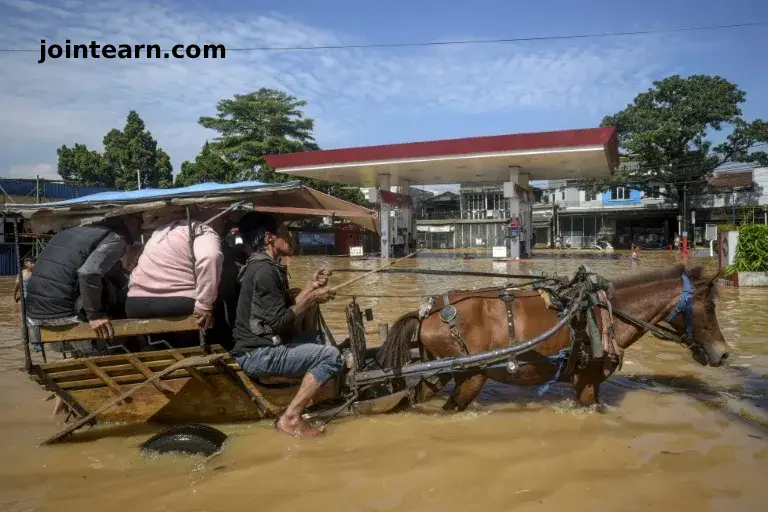
Aceh Tamiang, Sumatra, Indonesia – December 6, 2025 – Ruinous floods and landslides have killed more than 900 people on Indonesia’s Sumatra island, with fears that starvation in remote areas could drive the toll even higher, authorities say.
A chain of tropical storms and heavy monsoonal rains has battered Southeast and South Asia over the past week, triggering deadly floods and landslides across Indonesia, Sri Lanka, Thailand, Malaysia, and Vietnam.
In total, more than 1,790 people have died in the ongoing disasters.
Aceh and North Sumatra Hit Hardest
In Indonesia, the provinces of Aceh and North Sumatra have suffered catastrophic damage. Floodwaters and mudslides have washed away roads, submerged homes, and cut off vital supplies.
“Many people need basic necessities. Many areas remain untouched in the remote areas of Aceh. People are not dying from the flood, but from starvation. That’s how it is,” said Aceh Governor Muzakir Manaf.
Entire villages in Aceh Tamiang were destroyed. Governor Manaf described the region as “completely destroyed, from the top to the bottom, down to the roads and down to the sea,” with many sub-districts now just names.
Survivors have recounted harrowing conditions. Fachrul Rozi, trapped in a makeshift shelter, said: “We ate whatever was available, helping each other with the little supplies each resident had brought. We slept crammed together.”
Another resident, Munawar Liza Zainal, criticized the Indonesian government for failing to declare a national disaster, arguing it would free up resources and improve coordination for relief efforts.
Regional Impact
- Indonesia: 908 deaths, 410 missing (Aceh and North Sumatra hardest hit)
- Sri Lanka: 607 deaths, with fresh rains raising landslide risks
- Thailand: 276 deaths
- Malaysia: 2 deaths
- Vietnam: At least 2 deaths from landslides
Causes and Climate Factors
Experts say climate change is making seasonal monsoon rains more erratic and deadly in Southeast Asia. Environmentalists have also pointed to deforestation and logging in Sumatra, which exacerbated landslides and flooding.
Humanitarian agencies warn that the full scale of the crisis may be unprecedented even for disaster-prone Indonesia, with thousands of villagers in remote areas facing immediate threats from hunger and disease.
Urgent Humanitarian Needs
Relief teams are racing against time to deliver food, clean water, medical aid, and shelter, but many areas remain inaccessible due to damaged infrastructure. The disaster has left survivors relying on whatever supplies they can salvage from mud-encrusted homes and debris.
“This is an extraordinary disaster that must be faced with extraordinary measures,” said Munawar Liza Zainal, echoing the frustration of many flood victims.
Authorities continue search operations in “waist-deep” mud, as the waters gradually recede, revealing widespread destruction across the affected regions.


Leave a Reply