Milan, December 16, 2025 – Europe’s second-largest automaker, Stellantis NV, has raised concerns that recent European Commission proposals aimed at supporting the automotive sector’s energy transition fall short of addressing key industry challenges. In a statement on Tuesday, the company highlighted the lack of a roadmap for light commercial vehicles and insufficient flexibility regarding 2030 targets for passenger cars, warning that current proposals could hinder the production of affordable vehicles for most customers.
Stellantis’ Concerns on EU Proposals
While Stellantis welcomed the plan to revise the 2035 carbon reduction target, the automaker criticized the proposals for not adequately tackling immediate industry needs. The company stressed that without clear definitions of local content requirements for European vehicles, automakers face uncertainty in planning investments in electric and hybrid vehicle production.
“Unfortunately, the proposals do not meaningfully address the issues that the industry is facing right now,” Stellantis said in its official statement.
The automaker emphasized that flexibility on 2030 emissions targets and a practical approach to light commercial vehicles are critical to maintaining competitiveness, supporting innovation, and ensuring vehicle affordability for consumers.
Background: Europe’s Automotive Energy Transition
The European Union has been implementing stricter carbon reduction and electrification policies to reduce greenhouse gas emissions from the transport sector. The 2035 target aims to phase out new internal combustion engine (ICE) vehicles in favor of electric and hybrid models. While these policies align with climate goals, automakers argue that ambitious targets without adequate support frameworks may slow industry adoption and increase costs for consumers.
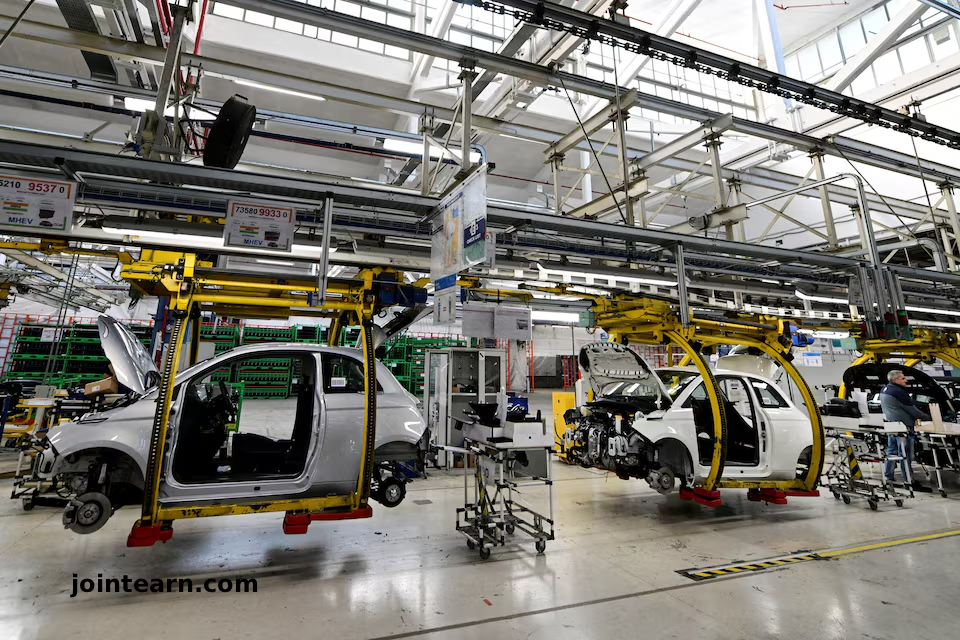
Stellantis, which recently launched the new hybrid Fiat 500 at its Mirafiori plant in Turin, Italy, continues to invest heavily in electric vehicle (EV) production. However, the company says that EU proposals must consider realistic timelines, local supply chain development, and incentives to make EVs accessible to the wider public.
Industry Implications
Automakers across Europe have voiced concerns that the combination of strict emissions targets and insufficient incentives could limit mass-market EV adoption. Stellantis’ feedback reflects the broader industry call for policies that balance carbon reduction goals with economic and consumer realities.
Analysts suggest that for Europe to successfully transition to low-emission vehicles, regulatory frameworks must include:
- Clear rules on local content and sourcing
- Flexible timelines for commercial vehicle electrification
- Incentives to maintain affordable EV pricing
Failing to address these issues could slow the EU’s automotive transition and affect European automakers’ global competitiveness.


Leave a Reply