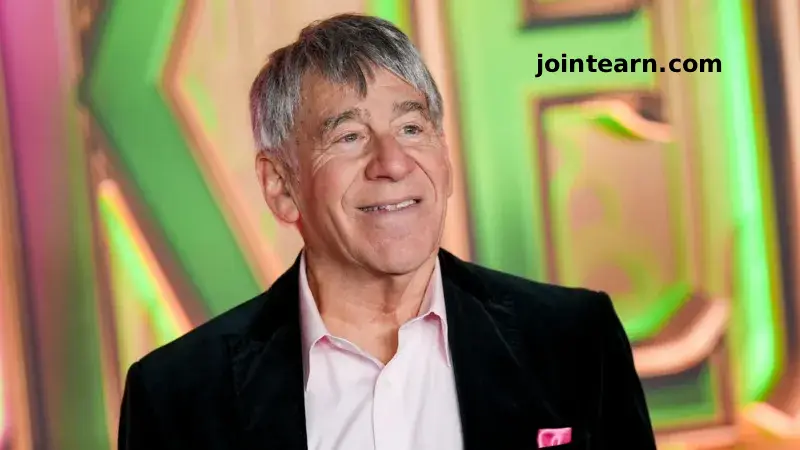
The composer of the hit musical Wicked, Stephen Schwartz, has announced that he will no longer appear at the Kennedy Center for the Performing Arts following the controversial decision by its board to rename the venue to include former US President Donald Trump’s name. Schwartz described the situation as an ideological shift that makes appearing at the center “a political statement,” effectively precluding his participation.
In a statement, the Oscar and Grammy-winning composer said:
“The Kennedy Center was founded to be an apolitical home for free artistic expression for artists of all nationalities and ideologies. It is no longer apolitical, and appearing there has now become an ideological statement. As long as that remains the case, I will not appear there.”
Conflicting Reports on Schwartz’s Appearance
The Kennedy Center’s president, Richard Grenell, responded on social media platform X, asserting that reports of Schwartz pulling out of a May gala were “totally bogus.” Grenell stated that Schwartz had never been officially booked for the event and that there had been no conversation between the composer and the center since early 2024.
Schwartz explained that at the end of 2024, the artistic director of the Washington National Opera invited him to participate in a gala in May. While he initially agreed, Schwartz said communication from the center dwindled after February, leading him to assume the event would not take place.
He was surprised when a reporter asked about his participation after seeing his name listed on the Kennedy Center’s website, which was later removed.
Wider Artist Backlash
Schwartz is the latest in a series of performers to cancel appearances at the Kennedy Center following the name change.
- Doug Varone and Dancers withdrew from two April performances, stating: “We can no longer permit ourselves nor ask our audiences to step inside this once great institution.”
- Veteran jazz band The Cookers canceled two New Year’s Eve shows, citing rapidly changing circumstances.
- Jazz percussionist Chuck Redd had already canceled his annual Christmas Eve performance, a tradition dating back to 2006, in response to the name change.
Grenell has dismissed these cancellations as a “political stunt” and called the backlash a “form of derangement syndrome.” He even threatened to pursue $1 million in damages related to these cancellations.
Controversial Name Change
The Kennedy Center’s board, largely filled with allies of Donald Trump, voted in December to rename the national institution the Donald J. Trump and John F. Kennedy Memorial Center for the Performing Arts. New signage was installed immediately on the center’s exterior.
The move has sparked significant legal and political debate. Since the center was established by a 1964 law and named in memory of President John F. Kennedy, some lawmakers and legal experts argue that Congress must approve any renaming.
Members of Kennedy’s family have also expressed strong opposition. Joe Kennedy III, former US House Representative and grandnephew of JFK, said:
“It can no sooner be renamed than someone can rename the Lincoln Memorial, no matter what anyone says. The center is a living memorial to a fallen president and was named for President Kennedy by federal law.”
Impact on the Arts and Culture Community
The controversy has reignited discussions about the politicization of national cultural institutions and the responsibilities of artists in response. Schwartz and other performers’ decisions to withdraw highlight a growing tension between artistic freedom and political influence in the US.
As debates continue, the Kennedy Center remains under scrutiny, with questions about its role as an apolitical venue for arts, music, and theater, and the long-term impact of the Trump name addition on its reputation and future programming.


Leave a Reply