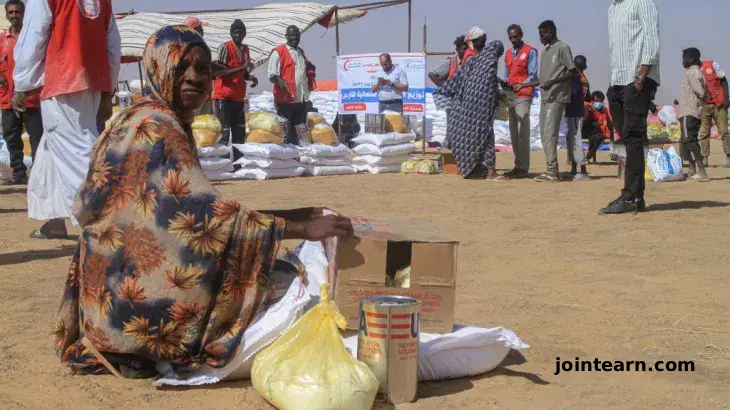
The ongoing war in Sudan is leaving devastating ripples across the region, with women and children fleeing the conflict into Chad bearing the deep emotional scars of violence and abuse. With virtually no professional mental healthcare available, these refugees are left to cope with trauma largely on their own, relying on informal networks and community support to survive.
The Refugee Crisis in Eastern Chad
Since the outbreak of conflict in Sudan in 2023, eastern Chad has become a refuge for tens of thousands escaping the violence. This crisis has grown into one of the largest humanitarian emergencies in the world, with millions displaced across the region. Many refugees arrive with harrowing stories of assault, family loss, and exposure to extreme violence.
Ahmed Idris of Al Jazeera visited the Tulum refugee camp in eastern Chad, where Sudanese women survivors of sexual violence have formed informal support groups—one of the few spaces where they can openly discuss the atrocities they endured.
Personal Stories of Survival
Among the survivors are Basma and her sister, who fled el-Fasher just two months ago. They describe being intercepted by militias allied with the paramilitary Rapid Support Forces (RSF) and subjected to days of torture.
“May God expose and punish them. God willing, we will have our day of reckoning. They held me and my sister for five days and tortured us,” Basma recounted.
RSF forces seized el-Fasher, the capital of North Darfur, in late October, following a campaign marked by mass killings, kidnappings, and widespread sexual violence. International human rights organizations, including Amnesty International, have accused the RSF of committing war crimes in the region.
Widespread Trauma and Loss
For many refugees, survival came at the cost of losing loved ones. Zaina Ibrahim, another Sudanese refugee, shared the uncertainty and grief she faces:
“Many members of my family are presumed dead. My uncles, my mother and children are all missing.”
The psychological impact of such losses is compounded by the lack of professional mental health support. In eastern Chad, there is reportedly only one psychiatrist and a limited number of psychologists serving the hundreds of thousands of displaced individuals.
Community-Led Support Networks
In response to this gap, women survivors have created informal support groups to help each other process trauma and rebuild their lives. Fatimah Fadul, a longtime refugee and survivor, leads one of these groups, encouraging women to break the cultural silence surrounding sexual violence.
“As Sudanese, we face the stigma: mothers at home pressure the girl, telling her not to speak or to keep silent about the rape. We raise awareness and encourage our sisters and our mothers to speak up about rape in order to claim their rights. When you stay silent, you inflict internal psychological harm, leading to illnesses,” said Fadul.
Acknowledging trauma and speaking about it openly is considered vital, but the need far exceeds the available resources. For every survivor who finds even minimal support, hundreds remain without counseling, guidance, or hope of justice.
The Path Forward
For Sudanese women in eastern Chad, survival is not just about escaping physical danger—it also involves confronting and processing the deep psychological scars left by war. Support networks, though limited, provide a crucial lifeline, offering hope and a sense of solidarity to those navigating life after trauma.
The international community continues to call for greater support, both in humanitarian aid and mental health services, to help these refugees rebuild their lives and reclaim their dignity after unimaginable violence.


Leave a Reply