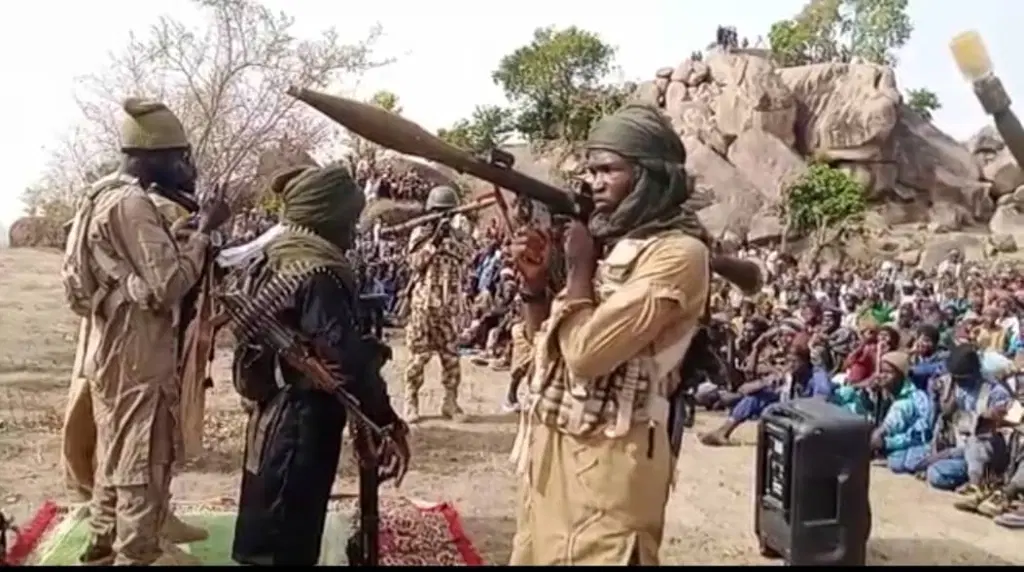
Nigeria continues to face a humanitarian crisis due to widespread terrorism, kidnapping, and banditry, with thousands of citizens—men, women, children, students, and even monarchs—still held hostage.
Scale of Kidnappings
- Total victims: Estimated 7,000+ across seven states: Borno, Zamfara, Sokoto, Niger, Kwara, Kaduna, Kano, Kogi.
- Victims range from school pupils to community leaders, often held for months or years.
- Kidnappings have evolved into a highly organized, ransom-driven industry, where payment does not guarantee release.
State-by-State Snapshot
- Niger State
- At least 376 persons still in captivity.
- Notable incidents include abductions of school pupils, government officials, and farmers.
- Example: St. Mary’s Catholic School, Papiri – 315 people abducted; 50 escaped, leaving 265 still captive.
- Kwara State
- At least 12 people including a monarch are held.
- Example: Oba Ojibara of Bayagan abducted from his farm.
- Sokoto State
- Around 500 residents abducted across 13 local government areas.
- Notable camps: Charima Kachalla, Charande near Bakolori Dam, and Sububu Forest in Zamfara.
- Zamfara State
- Over 6,000 victims reported in 100+ forest camps.
- Ransoms demanded; some victims killed despite payment.
- Example: 35 victims from Banga community killed after ransom payment.
- Kano State
- At least 15 people currently held.
- Attacks occurred in Tsanyanwa, Shanono, and other LGAs, with killings and abductions during night raids.
- Kaduna State
- Hostages in Rijana Forest, many held for several months.
- Victims abducted as recently as June 2025 still captive.
- Kogi State
- Many victims remain in captivity despite recent rescue operations.
- Some freed by the police, army, and local hunters, but large numbers still held.
Patterns and Observations
- Targeting: Schools, churches, farms, villages, and community leaders.
- Kidnap-for-ransom industry: Payment does not always ensure release; some victims killed after ransom.
- Prolonged captivity: Many victims held for months or years in harsh forest conditions.
- Weapons and organization: Kidnappers are well-armed and operate highly structured camps.
Impact on Communities
- Humanitarian disaster: Breadwinners, students, and vulnerable women trapped.
- Psychological trauma: Fear and panic in affected communities.
- Economic disruption: Abductions reduce farming, schooling, and community activities.
Rescue Efforts
- Military and police operations have rescued some victims:
- Kogi State: 13 hostages freed (4 by police, 6 by army, 3 by local hunters).
- However, thousands remain in captivity, showing limited success of security responses.
Bottom line:
Northern Nigeria faces a deepening kidnapping crisis, with organized terrorist groups exploiting ransom, fear, and weak security. Thousands remain in captivity, and even payment of ransom does not guarantee safety, highlighting the urgency for stronger security measures and community protection strategies.


Leave a Reply