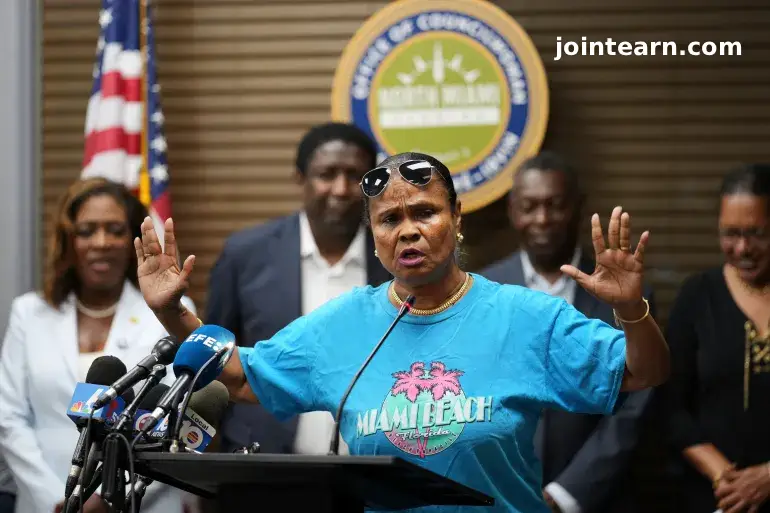
The Trump administration has announced plans to terminate Temporary Protected Status (TPS) for Haitian nationals in the United States, affecting hundreds of thousands of people who have lived under temporary immigration protections for years. Despite widespread gang violence and political instability in Haiti, Homeland Security Secretary Kristi Noem determined that conditions in the country are now safe enough for Haitians to return.
Scope of the TPS Termination
According to a draft notice issued by the US Citizenship and Immigration Services (USCIS), 352,959 Haitian nationals and stateless individuals of Haitian origin will be impacted by the decision. The notice, published in the Federal Register on Wednesday, is set to take effect on February 3, 2026.
TPS was originally granted to Haitian nationals following the catastrophic earthquake of 2010, which killed nearly 222,570 people and displaced over 1.3 million. Since then, Haitian nationals under TPS have been allowed to live and work legally in the United States.
Government Rationale
The Trump administration framed the move as a vote of confidence in Haiti’s future, asserting that the country has stabilized enough for nationals to return safely. The notice stated:
“Ending Temporary Protected Status for Haiti reflects a necessary and strategic vote of confidence in the new chapter Haiti is turning.”
Secretary Noem emphasized that national security concerns and the continued presence of gang activity justified ending the program. The administration highlighted the threat posed by Haitian gangs and organized crime, labeling groups such as Viv Ansanm and Gran Grif as “foreign terrorist organizations.”
Humanitarian and Political Concerns
Critics argue that ending TPS puts thousands of vulnerable people at risk. Haiti continues to experience political instability, including the assassination of former President Jovenel Moise in 2021, postponed elections, and ongoing gang violence that has displaced over 1.4 million people.
New York Attorney General Letitia James condemned the decision, stating:
“Revoking Haitians’ legal immigration status that has kept them safe with their families in the US is cruel and dangerous.”
Several state attorneys general have filed legal challenges, citing the risk to lives and potential racial bias in the administration’s actions. Federal courts previously ruled that shortening TPS extensions was “arbitrary and capricious” and violated due process rights, although the administration is allowed to let existing extensions expire.
Legal and Policy Context
The Trump administration’s decision continues a broader trend of curbing immigration and reversing protections granted by the Biden administration. In July 2024, Biden had approved an 18-month extension of TPS for Haitians, which Trump partially vacated, reducing it to 12 months and setting an earlier return date.
The administration argued that previous extensions exceeded executive authority and conflicted with U.S. national interests. Officials also highlighted improvements in Haiti, such as the establishment of a UN-backed Gang Suppression Force, designed to stabilize the country.
Implications for Haitian Nationals
- TPS recipients will need to leave the U.S., seek alternative immigration pathways, or face potential deportation.
- The move affects nearly 353,000 Haitians, including workers and families who have contributed to local communities and economies.
- Humanitarian organizations warn of a potential crisis, citing ongoing gang violence, unstable government, and displacement issues in Haiti.
Broader Immigration Policy Trends
The termination of Haitian TPS coincides with similar moves affecting other countries, including Myanmar, as the administration seeks to prioritize national security and limit immigration. Critics argue that these actions ignore humanitarian obligations and risk creating severe human consequences for vulnerable populations.


Leave a Reply