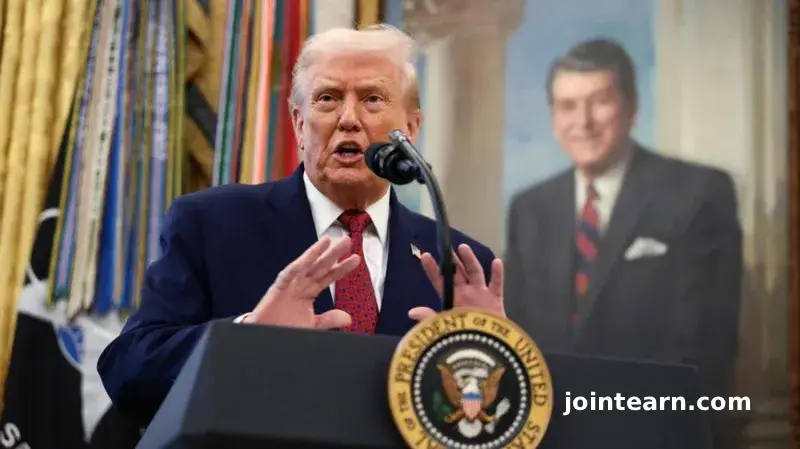
U.S. President Donald Trump has announced an expansion of the country’s travel ban, restricting entry for nationals from five additional countries and individuals traveling with Palestinian Authority-issued documents. The White House says the new measures are designed to protect U.S. national security and will take effect on January 1, 2026.
Countries Added to the Travel Ban
The expansion adds Burkina Faso, Mali, Niger, South Sudan, and Syria to the list of countries subject to full-entry restrictions. Palestinian Authority passport holders are also barred from entering the United States.
Additionally, Laos and Sierra Leone, which previously faced partial restrictions, are now subject to a full ban. The administration has also imposed partial restrictions on 15 other countries, including Nigeria, Tanzania, and Zimbabwe.
Reasons Behind the Travel Ban
The White House cited several factors in justifying the expanded travel ban:
- Failures in overseas screening and vetting systems
- High rates of visa overstays
- Unreliable civil records and widespread corruption
- Evidence of terrorist activity
- Lack of cooperation from certain countries in accepting deported nationals
The announcement came shortly after the arrest of an Afghan national suspected of shooting two National Guard troops over the Thanksgiving weekend. The White House highlighted this incident to underscore its concerns about national security.
History of Trump’s Travel Ban
This marks the third travel ban imposed by President Trump.
- In 2017, during his first term, Trump introduced a similar order, sparking protests and legal challenges both domestically and internationally.
- That 2017 policy was eventually upheld by the U.S. Supreme Court, solidifying the administration’s authority to restrict entry based on national security considerations.
The current restrictions will remain in effect until affected countries demonstrate improvements in:
- Identity management
- Information sharing with U.S. authorities
- Cooperation with immigration enforcement
Exceptions and Waivers
Not all travelers from affected countries will be barred. The ban does not apply to:
- Lawful permanent residents
- Many existing visa holders
- Diplomats
- Athletes traveling for major sporting events
Officials also noted that case-by-case waivers would be available if travel is deemed in the national interest.
Full List of Countries Affected
Full Restrictions:
- Afghanistan
- Burkina Faso
- Burma
- Chad
- Equatorial Guinea
- Eritrea
- Haiti
- Iran
- Laos
- Libya
- Mali
- Niger
- Republic of the Congo
- Sierra Leone
- Somalia
- South Sudan
- Sudan
- Syria
- Yemen
Additionally, individuals traveling on Palestinian Authority-issued travel documents are fully barred.
Partial Restrictions:
- Angola
- Antigua and Barbuda
- Benin
- Burundi
- Côte d’Ivoire
- Cuba
- Dominica
- Gabon
- The Gambia
- Malawi
- Mauritania
- Nigeria
- Senegal
- Tanzania
- Togo
- Tonga
- Venezuela
- Zambia
- Zimbabwe
Special Case:
- Turkmenistan – restrictions remain for immigrants but have been lifted for non-immigrant visas.
Implications of the Expanded Ban
The expanded travel restrictions are expected to have significant consequences for international travel, U.S. immigration policy, and global diplomacy. Critics argue that the ban could:
- Affect humanitarian travel and refugee admissions
- Disrupt business and educational exchanges
- Raise concerns about discrimination and diplomatic tensions
Supporters claim it is necessary to strengthen U.S. borders and protect citizens from security threats.


Leave a Reply