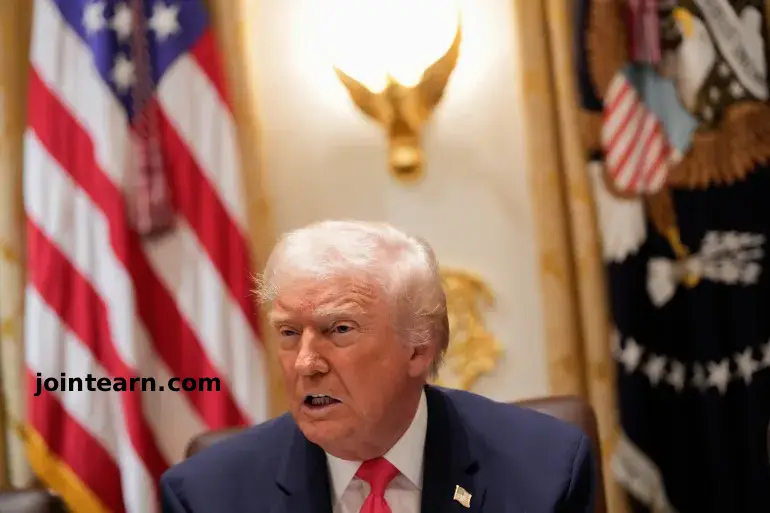
Trump Adds Five Countries to US Travel Ban
United States President Donald Trump has expanded the US travel ban to include Palestine, Syria, Burkina Faso, Mali, Niger, and South Sudan, further intensifying restrictions on immigration from African and Muslim-majority countries. The announcement was made by the White House on December 16, 2025, marking a continuation of Trump’s hardline immigration policies.
The new order supplements the 12 countries initially listed in June, creating a total of 18 nations whose citizens face entry restrictions.
Palestinians Targeted via Authority Documents
The travel ban does not mention Palestine directly, as the US does not formally recognize it as a state. Instead, the directive applies to individuals traveling with “Palestinian Authority (PA) documents”. According to the White House:
“Individuals attempting to travel on PA-issued or endorsed travel documents cannot currently be properly vetted and approved for entry into the United States.”
The administration cited security concerns, claiming that terrorist groups operate in Gaza and the West Bank, and that the ongoing conflict has compromised vetting procedures.
Syrian Ban Amid Rapprochement with Damascus
The ban on Syrian travelers coincides with warming US-Syria relations following Syrian President Ahmed al-Sharaa’s visit to the White House in November.
The White House stated that despite ongoing cooperation, Syria lacks centralized authority to properly issue passports or civil documents, creating a risk for unvetted migration.
Democratic Lawmakers Condemn Ban
Congresswoman Rashida Tlaib, of Palestinian descent, strongly criticized the expanded ban, accusing Trump and his senior aide Stephen Miller of pursuing demographic changes to the US population.
“This administration’s racist cruelty knows no limits, expanding their travel ban to include even more African and Muslim-majority countries, even Palestinians fleeing a genocide,” she said via social media.
Tlaib’s remarks highlighted growing concerns that the ban disproportionately affects vulnerable populations escaping conflict, particularly in Gaza and the occupied West Bank.
Administration Cites Security and Terrorism Threats
The White House justified the expanded restrictions on grounds of national security, citing attacks on American citizens and terrorism threats in affected regions.
US Director of National Intelligence Tulsi Gabbard reinforced the policy, referencing a mass shooting in Australia and warning that Islamist terrorism remains a global threat. She praised Trump for prioritizing border security, deporting suspected terrorists, and preventing unvetted migration.
Republican Allies Use Islamophobic Rhetoric
Trump’s policy expansion comes amid rising Islamophobic rhetoric among Republican lawmakers.
- Senator Tommy Tuberville called Islam a “cult” and warned of an alleged goal to “conquer the West.”
- The language reflects a continuation of the ideology underpinning Trump’s 2015 presidential campaign, during which he called for a complete ban on Muslim immigration to the US.
Historical Context of US Travel Bans
The Trump administration first implemented travel restrictions targeting Muslim-majority countries during his first term, citing terrorism and security concerns. The latest expansion signals a return to this hardline approach, coupled with a broader anti-immigrant and nationalist agenda.
The policy is likely to provoke criticism from human rights organizations, lawmakers, and international observers, given its impact on refugees and conflict-affected populations.


Leave a Reply