The recent abduction of Venezuelan President Nicolas Maduro by the United States has dramatically escalated tensions in global politics, sparking concerns over a possible US-Iran conflict. Experts warn that Washington’s aggressive moves in Caracas could provide momentum for confrontation with Tehran, further undermining diplomatic efforts.
US Operation in Venezuela Sends Shockwaves Across the Globe
Hours after the US reportedly abducted Maduro, Israeli politician Yair Lapid issued a pointed warning to Iran: “The regime in Iran should pay close attention to what is happening in Venezuela.”
The abduction comes less than a week after US President Donald Trump met with Israeli Prime Minister Benjamin Netanyahu, where he reaffirmed threats of military action against Iran. While tensions with Caracas and Tehran stem from different geopolitical causes, analysts say that the removal of Maduro increases the likelihood of war with Iran.
“A new lawlessness makes everything less stable and war more likely,” said Jamal Abdi, president of the National Iranian American Council (NIAC). “Whether Trump pursues ‘surgical’ regime change or gives Netanyahu US support for similar operations, this clearly strengthens the position of actors pushing for conflict with Iran.”
Negar Mortazavi, senior fellow at the Center for International Policy, added that Washington’s actions signal maximalist ambitions, leaving little room for diplomacy. “What I see from Tehran is that they are not willing to negotiate with the Trump administration, which signals that it wants total surrender,” she told Al Jazeera.
Iranian Response and Strategic Concerns
Iran quickly condemned the US operation, calling on the United Nations to intervene. The Iranian Ministry of Foreign Affairs stated that the abduction “represents a grave breach of regional and international peace and security” and warned that its consequences threaten the international system.
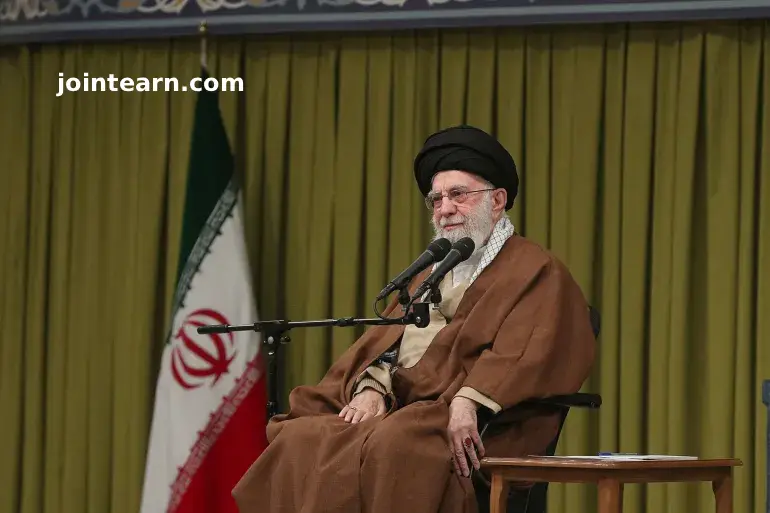
Supreme Leader Ali Khamenei reaffirmed his defiance, posting: “We will not give in to the enemy. We will bring the enemy to its knees.”
Analysts warn that Iran could respond by enhancing its military capabilities or taking preemptive action to deter US or Israeli strikes. Abdi noted: “This action reinforces suspicions about US intentions and strengthens the case for Iran’s nuclear deterrence efforts.”
Trump’s Threats Against Iran
Trump’s recent rhetoric against Iran includes repeated threats of military action if Tehran continues its missile or nuclear programs. During a Florida meeting with Netanyahu, Trump declared:
“Now I hear that Iran is trying to build up again, and if they are, we’re going to have to knock them down. We’ll knock them down. We’ll knock the hell out of them.”
The Trump administration has previously participated in aggressive operations against Iran, including the bombing of nuclear sites and the assassination of high-ranking military officials. Critics argue that regime change in Iran remains a key objective, aligning with Israeli ambitions.
NIAC’s Abdi warned that while a Venezuela-style “snatch and grab” operation in Iran would be extremely risky, the abduction of Maduro signals a willingness to use bold, extraterritorial tactics.
The Venezuela-Iran Connection
Maduro’s removal directly impacts Iran, as the two countries have been strengthening trade and political ties amid international sanctions. Analysts note that the fall of Maduro could further shrink Iran’s network of allies in the region, following setbacks in Syria and Lebanon.
US officials, including Secretary of State Marco Rubio, have emphasized Maduro’s alleged ties to Iran and the Lebanese group Hezbollah—claims largely unsubstantiated but used to justify US actions. Meanwhile, Venezuelan Vice President Delcy Rodriguez, now acting president, condemned the US operation and suggested Israeli involvement, describing it as having “Zionist undertones.”
Trump, in response, threatened Rodriguez, signaling that Washington’s control over Venezuelan politics and oil resources is not yet complete.
Energy Implications and Strategic Motives
Control over Venezuelan oil reserves may also serve as a hedge against disruptions in Middle Eastern oil supplies, particularly from the Gulf region if a war with Iran breaks out. Analysts suggest that securing Venezuela’s oil could cushion the US from potential losses in global energy markets.
“Venezuelan oil could theoretically provide some cushion against lost Gulf exports,” said Abdi, “but this depends on a range of factors and is far too early to assess.”
About 20 percent of the world’s oil flows through the Strait of Hormuz, an area Iran could target in the event of full-scale war, raising the stakes for global energy security.
Potential for Broader Conflict
The abduction of Maduro highlights the Trump administration’s aggressive foreign policy, characterized by quick strikes, regime decapitations, and unilateral military operations. Analysts warn that this approach increases the risk of confrontation with Iran while leaving little room for diplomacy.
Mortazavi noted that long-term involvement in Venezuela might even delay or reduce US capacity to engage in an Iran conflict, as the administration could become bogged down “running” Venezuela.
With tensions high, the US, Israel, and Iran are navigating a volatile path where miscalculations could quickly escalate into full-scale war.


Leave a Reply