Turkey Finalizes One-Year Extension with Russia
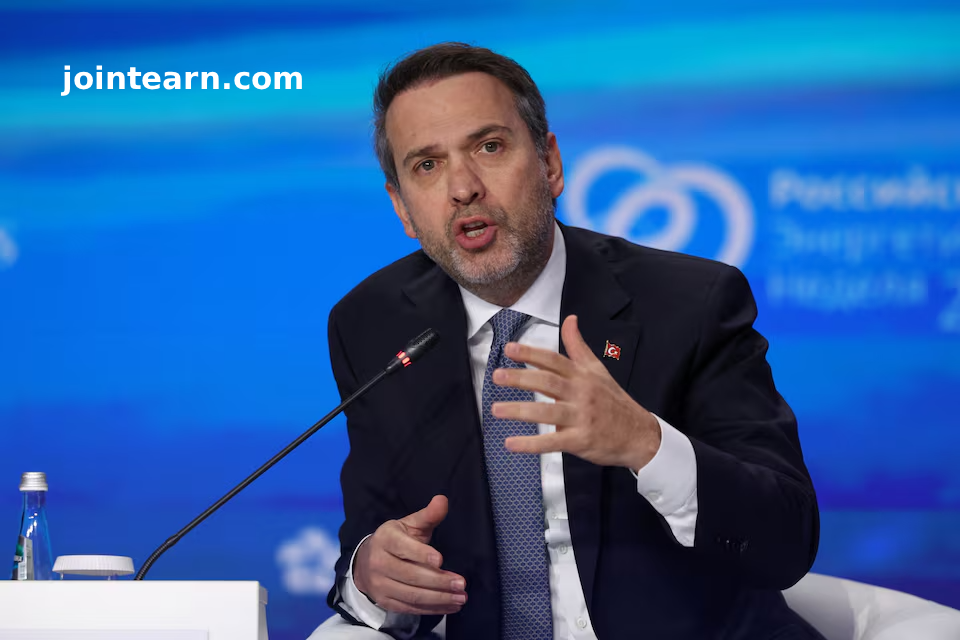
December 4, 2025 – Istanbul – Turkey has finalized a one-year extension of two expiring natural gas contracts with Russia, covering a combined 22 billion cubic meters (bcm), Energy Minister Alparslan Bayraktar announced. These contracts with Gazprom (GAZP.MM) were due to expire at the end of this year.
Despite maintaining this supply, Turkey has been actively reducing its reliance on Russian gas, which now constitutes less than 40% of its total gas mix.
LNG Imports from the United States and Other Sources
Turkey is simultaneously diversifying its energy portfolio by signing a series of long-duration liquefied natural gas (LNG) deals, with a significant portion sourced from the United States.
The U.S. has become Turkey’s fourth-largest gas supplier in 2025, providing 5.5 bcm or 14% of total imports. Turkey plans to increase its LNG intake capacity by adding two more floating storage regasification units (FSRUs) in the coming years, potentially chartering them to countries such as Morocco to enhance regional trade flexibility.
Expanding Regional Gas Partnerships
Turkey is also negotiating with Iran over a 10 bcm gas contract set to expire in July 2026 and exploring ways to increase Turkmen gas imports through swap agreements.
This year, Turkey signed a 1.3 bcm one-year deal with Turkmenistan, sourced via Iran, with roughly 0.5 bcm already imported. These strategic arrangements aim to reduce dependence on any single supplier while positioning Turkey as a potential regional gas trading hub.
U.S. Upstream Investments and Hedging Strategy
To strengthen its long-term energy security, Turkey is exploring investments in U.S. gas production facilities. This initiative aims to hedge its purchase of up to 1,500 LNG cargoes from the U.S. over 15 years, creating a more integrated supply chain.
State-owned TPAO is in talks with major U.S. energy companies, including Chevron (CVX.N) and ExxonMobil (XOM.N), with a potential investment deal expected next month.
Nuclear Power Expansion Plans
Turkey anticipates significant electricity demand growth and is planning two additional nuclear power plants to bolster base-load capacity.
Current discussions involve:
- South Korea’s KEPCO (015760.KS)
- Canada’s AtkinsRealis (ATRL.TO)
- Potential involvement of U.S.-based Westinghouse in the second plant
- Possible financial backing from the UAE’s Emirates Nuclear Energy Company
Additionally, Turkey is acting as a mediator to release $2 billion in Russian funds stuck with J.P. Morgan, intended to complete the Akkuyu nuclear plant constructed by Russia’s Rosatom.
Strategic Energy Diversification
Turkey’s recent moves reflect a comprehensive strategy to reduce reliance on Russian gas, diversify imports via LNG and regional partnerships, and strengthen domestic energy security through nuclear and renewable investments.
By combining short-term contract extensions with long-term investments in upstream U.S. LNG and nuclear infrastructure, Turkey aims to stabilize energy supply, enhance regional energy influence, and support future economic growth.


Leave a Reply