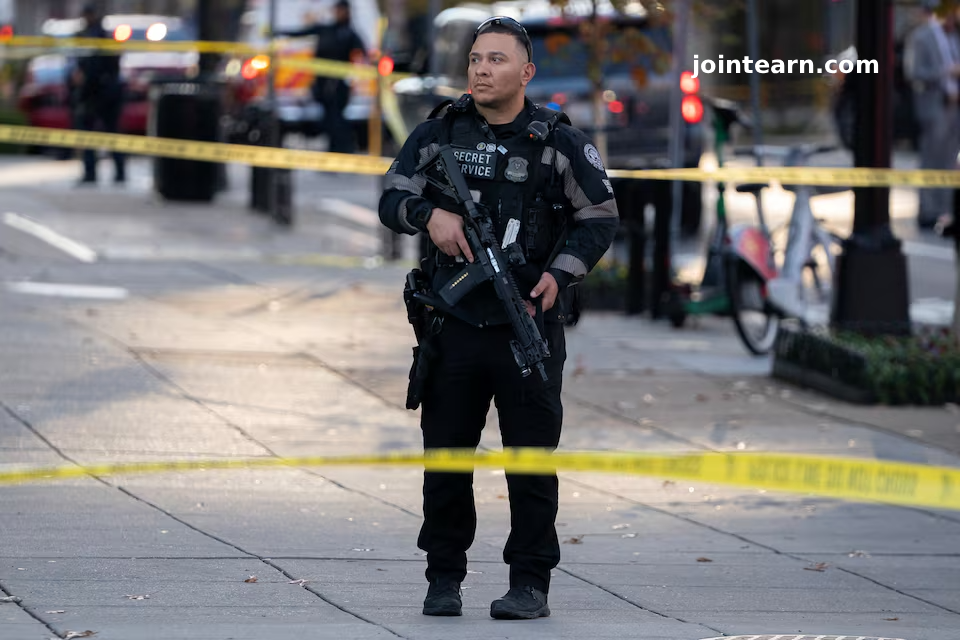
KABUL/ISLAMABAD, November 27, 2025 – Thousands of Afghans who fled the Taliban regime now face a new obstacle to safety as the U.S. halts all Afghan immigration and resettlement cases following a shooting near the White House in Washington, D.C. The sudden suspension has left Afghans awaiting resettlement in countries like Pakistan and Qatar fearing for their lives and uncertain about their future.
The U.S. Citizenship and Immigration Services (USCIS) announced late Wednesday that processing for Afghan nationals is indefinitely suspended, just hours after an Afghan man critically wounded two National Guard soldiers near the White House. President Donald Trump called the incident “an act of terror” and ordered a review of Afghan nationals who entered the country under previous U.S. administrations.
Afghans Left in Peril
For many Afghans who worked with U.S. forces, journalists, civil society members, and former government employees, the freeze represents the collapse of their last avenue to safety. Ahmad Samim Naimi, 34, from Panjshir province, told Reuters he fled Afghanistan after the Taliban began detaining journalists and former government staff. “If I go back, one day you will certainly hear news of either my arrest or my death,” Naimi said, highlighting the risks faced by Afghans associated with the former government or Western organizations.
Remaining in Pakistan has also grown more perilous. Authorities there have deported more than half a million Afghans over the past year, intensified detentions, and applied strict measures even against those with valid visas or UNHCR documents.
Impact on Special Immigrant Visa Programs
The freeze particularly affects Afghans under the Special Immigrant Visa (SIV) programs, including P1 and P2 categories:
- P1 visas: For Afghans who worked directly for the U.S. government.
- P2 visas: For those employed on U.S.-funded projects, media organizations, aid groups, or civil society programs.
Since 2021, approximately 200,000 Afghans have arrived in the U.S. under refugee and special visa programs, while an additional 265,000 Afghans remain in processing abroad, many in Pakistan, Qatar, and North Macedonia. For these individuals, the halt in resettlement threatens their safety and future prospects.
Incident in Washington
Authorities identified the suspected shooter in Washington as Rahmanullah Lakanwal, 29, an Afghan who arrived under Operation Allies Welcome and was granted asylum earlier this year. While Lakanwal had served in the Afghan army, he reportedly had no criminal record prior to the incident.
Shawn VanDiver, president of AfghanEvac, a volunteer group assisting Afghans who supported U.S. operations, called the freeze a punitive response that unfairly penalizes thousands. “These folks don’t deserve this — they’re just trying to get their shot at the American dream,” he said.
Humanitarian Concerns
Rights groups warn that Afghans returning to Taliban-controlled regions risk detention, disappearance, or execution, while women face harsh restrictions on education, work, and mobility. Many fear that the U.S. resettlement freeze could force vulnerable Afghans back into dangerous conditions, exacerbating an already dire humanitarian crisis.
Ahmad Naimi expressed hope that the U.S. will reconsider cases for P1 and P2 visa holders and resume resettlement, emphasizing the life-or-death stakes for those who have already endured years of uncertainty.


Leave a Reply