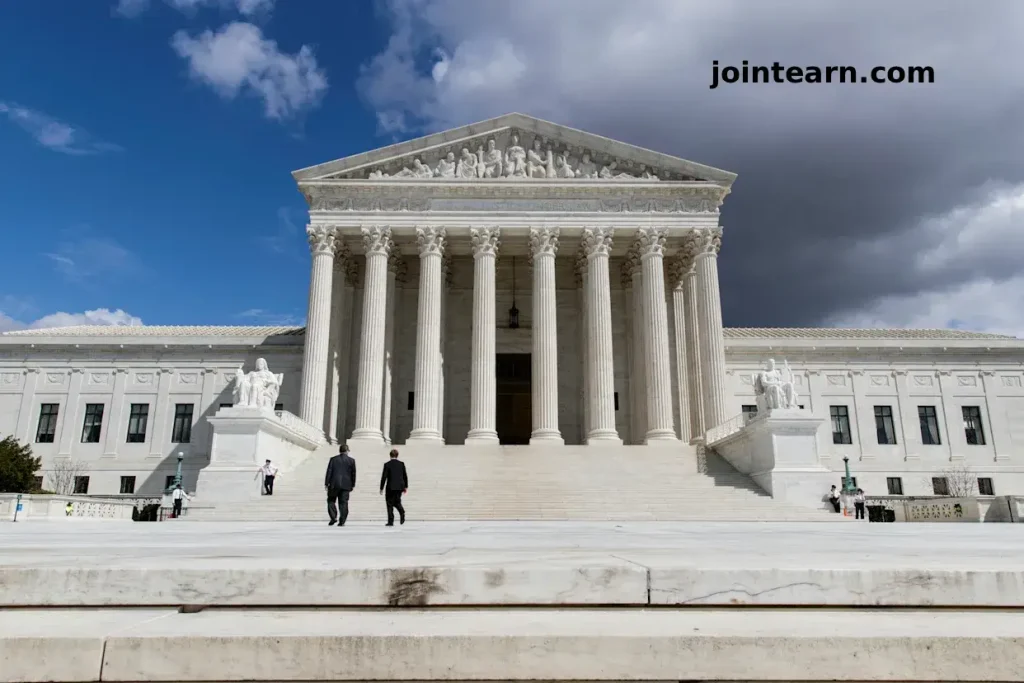
The U.S. Supreme Court has declined to hear an appeal regarding a Texas case that allowed local officials to remove books deemed objectionable from public libraries. The decision leaves in place a ruling by the 5th U.S. Circuit Court of Appeals, which has been criticized by free speech advocates and librarians nationwide.
Background of the Texas Book Ban Case
The case originated in 2022 in Llano County, Texas, after a group of residents requested the removal of over a dozen books from the county’s public library. The challenged books addressed topics including sex, race, and gender, as well as some titles with humor and themes considered inappropriate by local standards.
A lower federal appeals court ruled that the removal of the books did not violate the Constitutional free speech protections under the First Amendment. This ruling has since been referenced by other jurisdictions across the U.S. to justify similar book removals.
Books Targeted in the Case
Some of the books initially removed included:
- Caste: The Origins of Our Discontent by Isabel Wilkerson
- They Called Themselves the K.K.K.: The Birth of an American Terrorist Group by Susan Campbell Bartoletti
- In the Night Kitchen by Maurice Sendak
- It’s Perfectly Normal: Changing Bodies, Growing Up, Sex and Sexual Health by Robie H. Harris
- Being Jazz: My Life as a (Transgender) Teen by Jazz Jennings
- Children’s humor titles such as Larry the Farting Leprechaun by Jane Bexley and My Butt is So Noisy! by Dawn McMillan
The controversy highlights tensions between local community values and broader free speech and educational rights.
Court Proceedings and Decisions
In 2023, a federal judge initially ordered the county to restore some of the removed books. However, this decision was overturned by the 5th Circuit Court of Appeals, which covers Texas, Louisiana, and Mississippi. The appeals court majority clarified that removing books from shelves does not constitute a book ban, noting that individuals could still access the titles online, at bookstores, or through friends.
At one point, Llano County officials even considered closing public libraries rather than complying with the federal judge’s restoration order, underscoring the contentious nature of the case.
Reactions from Free Speech Advocates
The Supreme Court’s refusal to hear the case has drawn criticism from free speech and library organizations. Elly Brinkley, staff attorney for U.S. Free Expression Programs at PEN America, warned that leaving the 5th Circuit’s ruling in place allows local governments to exercise ideological control over access to information, undermining basic principles of free speech.
Sam Helmick, president of the American Library Association, echoed these concerns, stating that the decision “threatens to transform government libraries into centers for indoctrination rather than open inquiry,” eroding the First Amendment right to read without censorship.
Community and Cultural Context
Llano County, located approximately 75 miles northwest of Austin, Texas, is a mostly white, conservative community with strong agricultural and hunting traditions. The dispute over library content reflects broader national debates over educational materials, parental influence, and ideological oversight in public institutions.
The Supreme Court’s decision effectively ends the legal challenge for now, leaving local officials with the authority to manage library collections according to their own policies.


Leave a Reply