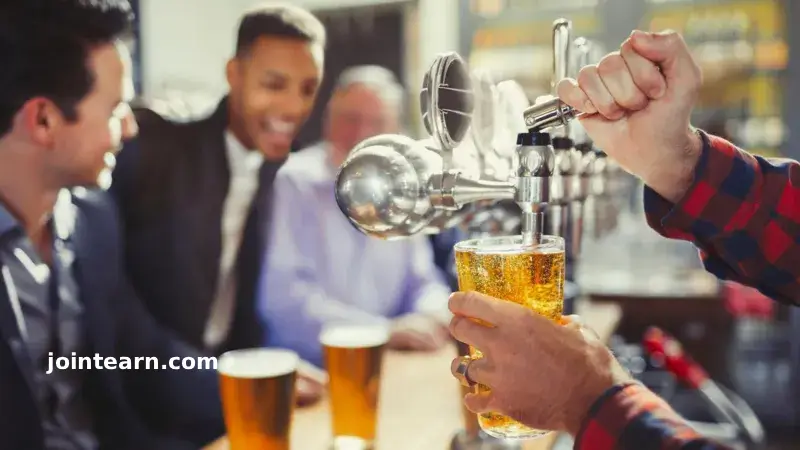
The UK government is set to announce a climbdown on planned business rate increases for pubs in England, following mounting pressure from landlords and industry groups. The decision aims to provide financial relief to publicans facing rising costs after the end of Covid-era business rate discounts.
Officials from the Treasury have confirmed that changes will reduce the rate at which pubs’ business rates are calculated, resulting in smaller increases to annual bills. While the adjustment will apply specifically to pubs, wider hospitality sectors are still seeking comparable support.
“We recognize the financial challenges many pubs face after sharp rises in the rateable value of their premises,” Treasury sources told reporters.
Background: Business Rate Increases
In her November 2025 Budget, Chancellor Rachel Reeves scaled back business rate discounts for hospitality businesses from 75% to 40%, announcing that the relief would end entirely in April. Coupled with significant upward adjustments in the rateable values of pub premises, this left many publicans facing potentially crippling increases.
The calculation of a pub’s business rate bill multiplies the rateable value of its premises by a set figure known as the multiplier. The government has already provided some relief by reducing the multiplier for pubs and may now offer further reductions or increase the £4.3bn transitional relief fund.
Industry Response
Pub owners and trade bodies have welcomed the announcement:
- Emma McClarkin, chief executive of the British Beer and Pub Association, called the change a “potentially huge win” that could save locals, jobs, and pubs from closure.
- Kate Nicholls, chair of UK Hospitality, urged the government to extend relief to all hospitality businesses, including cafés and restaurants, arguing that a hospitality-wide solution is needed.
- Geoff Robbins, owner of the Wheatsheaf Pub in Oxfordshire, said: “Rates are a tax against your business whether you make a profit or loss. This additional support is a great relief.”
The government is also reportedly considering relaxing licensing rules, such as extending opening hours and increasing pavement areas, to provide further support to pubs.
Political Pressure
The announcement follows intense lobbying from landlords, industry groups, and MPs. Over 1,000 pubs reportedly banned Labour MPs from their premises to protest the business rate rise.
- Labour MPs have been urging Prime Minister Keir Starmer to review the policy, highlighting risks of widespread pub closures and job losses.
- Conservative leader Kemi Badenoch criticized Labour’s approach and reiterated plans to scrap business rates for High Street businesses with bills under £110,000.
- Reform UK also welcomed the announcement, citing the sector’s struggles with energy costs and emphasizing pubs’ role in community and culture.
Shadow Business Secretary Andrew Griffith described the change as evidence that the November Budget was “falling apart,” while Liberal Democrat spokesperson Daisy Cooper warned that pubs “cannot wait a minute longer” for relief.
Wider Implications
While the relief currently targets pubs in England, the issue is devolved across the UK, and Scottish businesses await the Scottish Budget for similar measures. Many hope the Scottish government will follow suit in offering financial relief.
Industry representatives have called for further reforms to include live music venues, theatres, galleries, gyms, and retailers, emphasizing that High Street recovery and the preservation of British culture depend on timely support.
“Pubs are the backbone of our communities and a huge part of British heritage. Their closures would be a cultural catastrophe as much as an economic one,” said Richard Tice, deputy leader of Reform UK.
With government support on the horizon, publicans are cautiously optimistic that the sector can withstand rising costs, protect jobs, and continue playing a central role in the UK’s social and economic fabric.


Leave a Reply