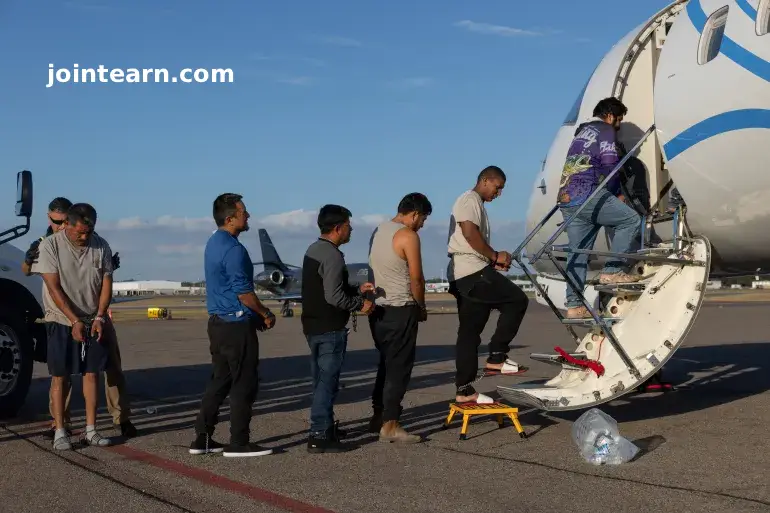
Washington, D.C. – The U.S. State Department has confirmed that more than 100,000 visas have been revoked since President Donald Trump returned to office last year, marking a dramatic escalation of the administration’s hardline immigration enforcement policies. The move, which officials describe as targeting criminal activity and national security threats, has sparked concerns over due process and civil liberties.
Scope of the Visa Revocations
According to a State Department statement on January 13, 2026, the visa revocations include:
- 8,000 student visas
- 2,500 specialized worker visas
The department stated that most revocations were due to “encounters with U.S. law enforcement for criminal activity,” although it remains unclear whether all incidents led to formal charges.
State Department Deputy Spokesperson Tommy Pigott said the revocations represent a 150% increase compared to 2024, reflecting the administration’s intensified immigration crackdown. He identified the four leading causes of visa cancellations as:
- Visa overstays
- Driving under the influence
- Assault
- Theft
Continuous Vetting Center and Expanded Screening
To enforce these measures, the State Department has launched a Continuous Vetting Center, designed to monitor all foreign nationals in the United States and ensure compliance with U.S. laws. Pigott explained that the center is intended to swiftly revoke visas of individuals deemed a threat to public safety.
Additionally, the administration has introduced:
- Tighter social media screening for visa applicants
- Increased scrutiny of applicants with histories of political activism or anti-American sentiment
Officials say these efforts are part of Trump’s goal to maintain “the safety and security of American citizens.”
Controversial Political and Free Speech Implications
Critics argue that the revocations have targeted individuals for reasons beyond criminal activity, including political beliefs or activism. For example:
- In March 2025, student protesters involved in pro-Palestinian activism had their visas revoked. One student, Rumeysa Ozturk of Tufts University, was reportedly affected for writing an editorial in her campus newspaper.
- In October 2025, six foreign nationals were stripped of visas after posting content online celebrating the death of conservative activist Charlie Kirk.
These actions have raised constitutional concerns, particularly regarding the First Amendment and freedom of speech. Legal experts argue that targeting individuals for political expression while denying visas could constitute an overreach of executive power.
Deportations and Enforcement Statistics
The visa revocation surge coincides with the administration’s broader immigration enforcement initiatives. Since January 2025, Trump’s administration has overseen:
- Over 2.5 million voluntary departures and deportations, which officials have described as “record-breaking.”
- Increased ICE and Border Patrol operations nationwide, including controversial actions in Minneapolis, where the fatal shooting of Renee Nicole Good, a mother of three, during enforcement activities sparked national protests.
Political Context and Trump’s Immigration Agenda
President Trump campaigned in 2024 on a platform of strict immigration enforcement, promising the “largest deportation program of criminals in U.S. history.” Since returning to office on January 20, 2025, his administration has taken sweeping steps to limit who can enter or remain in the United States, emphasizing:
- The removal of visa holders with criminal records
- Expanded authority to revoke visas for those with perceived hostile or anti-American views
- Priority on fossil fuel interests and national security concerns over humanitarian or educational considerations
The administration defends these policies as necessary to protect public safety and uphold the law, though critics warn they risk violating civil rights and international human rights standards.
Broader Implications
Experts say the mass revocations, combined with stricter vetting, could have long-term effects on:
- International students studying in the U.S.
- Specialized foreign workers critical to technology and research sectors
- U.S. relations with countries whose citizens are disproportionately affected by visa cancellations
Legal scholars argue that the State Department’s broad authority, when combined with political motivations, could set a precedent for further restrictions on foreign nationals’ rights in the United States.
Conclusion
Since Trump’s return to office, the U.S. visa revocation program has accelerated at an unprecedented pace, affecting over 100,000 individuals, including students, skilled workers, and other visa holders. While officials frame the effort as a law enforcement measure, critics warn of constitutional violations, political targeting, and human rights concerns. The crackdown underscores the continuing controversy over U.S. immigration policy, as debates over security, due process, and civil liberties intensify.


Leave a Reply